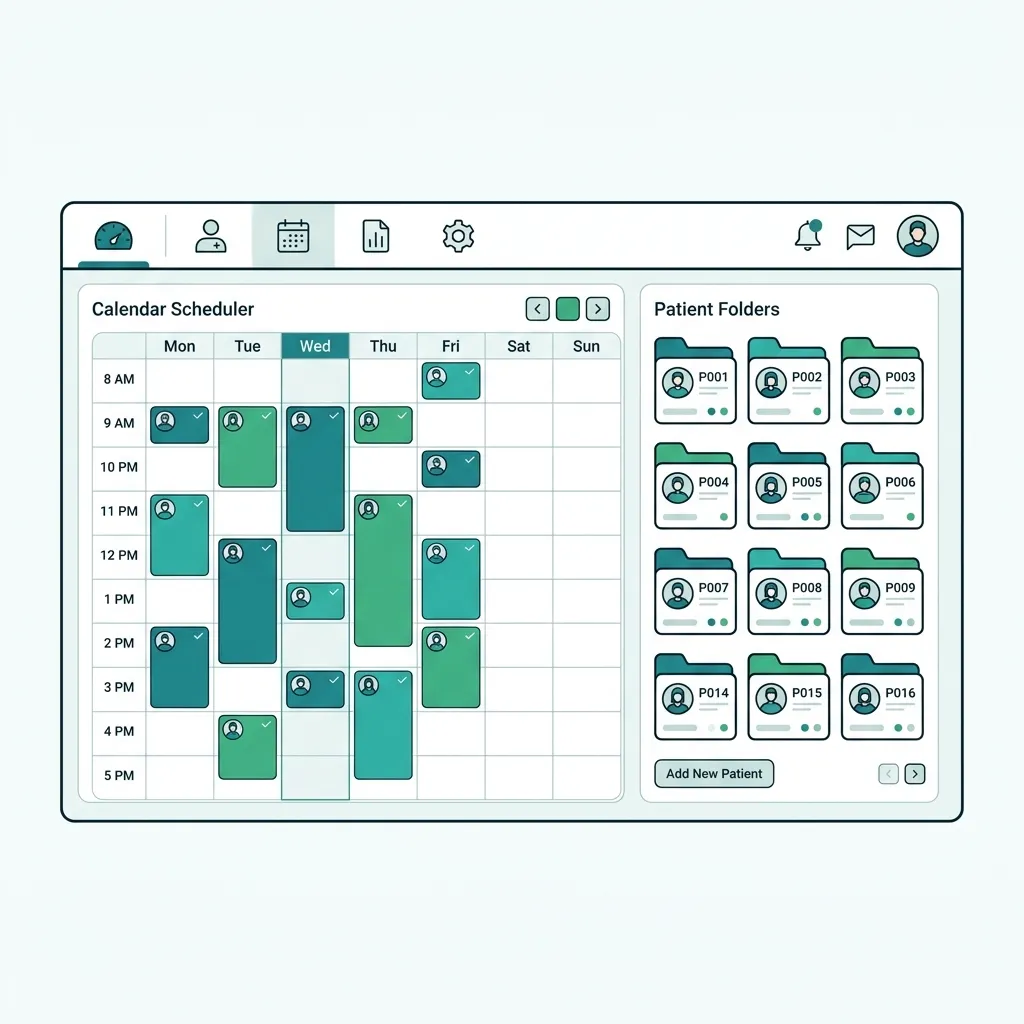
What is Laboratory Software?
Laboratory software puts diagnostic quality above workflow: it manages daily quality control (QC), matches results to age- and sex-based reference ranges, and flags abnormal values for review before approval. It tracks instrument performance and maintenance to assure result accuracy.
A system focused on test accuracy, quality control, reference-range validation and result accreditation.
Challenges solved by Laboratory Software
Abnormal results pass without review and instrument quality is untracked, causing result variance that harms diagnosis.
Core features of Laboratory Software
Daily QC
Control charts and Westgard rules to detect instrument drift.
Smart reference ranges
Match result by age and sex with abnormal alerts.
Abnormal flagging
Mark critical values for review before approval.
Instrument maintenance
Schedule calibration and track device performance.
Review & approval
Layered sign-off before the final report releases.
Quality audit
Retrievable audit logs for accreditation.
Clinical & operational benefits of Laboratory Software
Higher accuracy
QC reduces result variance.
Easier accreditation
Audit-ready logs for compliance.
Diagnostic confidence
Abnormal values are reviewed before release.
Who benefits from Laboratory Software?
Pathologists and chemists
Quality control officers
Calibration and metrology technicians
Lab quality managers
How to get started with Laboratory Software
Enable QC
Draw daily control charts and rules.
Update references
Enter age- and sex-based ranges.
Turn on flagging
Mark critical values for review.
Document maintenance
Schedule calibration per instrument.
Laboratory Software comparison & evaluation
Tabeeb+ versus a system without QC.
| Criterion | Tabeeb+ | Alternatives |
|---|---|---|
| Quality control | Systematic daily | Absent |
| Reference ranges | Age/sex-based | Fixed |
| Flagging | Automatic | Manual |
| Maintenance | Scheduled | Ad hoc |
| Audit | Retrievable | Unavailable |
Best practices for implementing Laboratory Software
- Run Westgard rules daily
- Update reference ranges periodically
- Review flags before approval
- Document each instrument's maintenance
Common pitfalls when choosing Laboratory Software
Skipping instrument QC monitoring
Approving abnormal values unreviewed
Not documenting calibration
Key takeaways for Laboratory Software
Key Takeaways
- Quality is the basis of lab accuracy
- Flagging prevents serious errors
- Audit strengthens accreditation
Final summary on Laboratory Software
Laboratory software ensures test accuracy through continuous QC, smart flagging and systematic result accreditation.
Frequently Asked Questions
Does it support Westgard rules?
Yes, to monitor instrument drift daily.
How are results approved?
Through a review path and layered sign-off before release.
Does it help accreditation?
Yes, with retrievable audit logs.
Read also
Try Tabeeb+ Free
Start your free trial and turn your clinic into a smart digital system.
Launch Your Cloud Clinic Free