The urgent care landscape is characterized by its dynamic, often unpredictable nature. Unlike scheduled appointments in traditional clinics, urgent care centers must be prepared to handle a constant flow of patients presenting with a wide array of conditions, from minor injuries to acute illnesses requiring immediate attention. In this high-stakes environment, efficiency, accuracy, and patient safety are paramount. This is precisely where modern clinic management software emerges as an indispensable tool, transforming the way urgent care operations manage everything from initial patient contact to discharge and follow-up. By optimizing emergency triage and enhancing overall patient flow, robust medical practice software not only improves operational efficiency but also elevates the quality of care delivered, ensuring better outcomes for patients and a more sustainable model for healthcare providers.
This comprehensive guide delves into how advanced clinic software streamlines emergency registration, implements sophisticated clinical triage protocols, and dramatically improves urgent care patient flow. We will explore the specific features and strategic advantages that make these systems vital for any urgent care clinic aiming for excellence in the demanding healthcare environment of the Arab world, including Egypt, Saudi Arabia, and the UAE.
Table of Contents
- The Urgent Care Landscape: Unique Challenges and the Need for Digital Transformation
- Streamlining Emergency Patient Check-in and Registration
- Revolutionizing Clinical Triage with Advanced Software
- Optimizing Patient Flow and Operational Efficiency
- Integrated EMR: The Backbone of Urgent Care Clinic Operations
- Data Analytics, Reporting, and Continuous Improvement
- Choosing the Right Medical Practice Software for Your Urgent Care
- Frequently Asked Questions (FAQ)
The Urgent Care Landscape: Unique Challenges and the Need for Digital Transformation
Urgent care clinics occupy a critical niche in the healthcare ecosystem, bridging the gap between primary care and emergency departments. They serve patients who require prompt medical attention for conditions that are not life-threatening but cannot wait for a scheduled appointment. This operational model presents a unique set of challenges:
- Unpredictable Patient Volume: Unlike scheduled clinics, urgent care centers experience fluctuating patient numbers and varying acuity levels, making resource allocation difficult without real-time data.
- Need for Rapid Assessment: Patients expect quick evaluations and treatment decisions, placing immense pressure on staff to perform efficient triage and clinical assessments.
- Diverse Clinical Presentations: Staff must be proficient in managing a broad spectrum of conditions, from minor lacerations and infections to respiratory distress and musculoskeletal injuries.
- Operational Bottlenecks: Manual processes for registration, charting, lab orders, and discharge can quickly lead to long wait times, frustrated patients, and staff burnout.
- Regulatory Compliance and Documentation: Maintaining accurate, compliant, and comprehensive patient records is crucial for patient safety, billing, and legal requirements.
In this demanding environment, traditional paper-based systems or disconnected digital tools are simply inadequate. The imperative for digital transformation, powered by comprehensive clinic management software, is clear. Such software provides the infrastructure to not only address these challenges but to convert them into opportunities for enhanced care delivery and operational excellence. It's about moving from reactive problem-solving to proactive, data-driven management.
Streamlining Emergency Patient Check-in and Registration
The first point of contact for an urgent care patient sets the tone for their entire experience. A cumbersome, slow, or error-prone registration process can exacerbate patient anxiety and create immediate bottlenecks. Modern clinic management software revolutionizes this initial phase, transforming it into a swift, accurate, and patient-friendly experience.
The Shift from Manual to Digital Registration
Historically, urgent care registration involved clipboards, paper forms, and manual data entry. This was not only time-consuming but also prone to human error, leading to incomplete records, delayed insurance verification, and duplicated efforts. With clinic software, this process is digitized from the outset:
- Pre-registration Options: Patients can often initiate their registration online before arriving at the clinic, completing demographic information, medical history, and insurance details from the comfort of their home. This significantly reduces on-site wait times.
- Digital Intake Forms: Upon arrival, patients can complete remaining forms on tablets or self-service kiosks. These forms are dynamic, guiding patients through relevant questions based on their chief complaint, ensuring all necessary information is captured.
- Automated Insurance Verification: Integrated modules within the medical practice software can instantly verify insurance eligibility and benefits, providing clarity on coverage and potential out-of-pocket costs upfront. This reduces billing surprises and administrative burden later.
- ID Scanning and Data Capture: Advanced systems can scan patient IDs and insurance cards, automatically populating relevant fields in the patient’s digital record, minimizing manual data entry and potential transcription errors.
- Consent Management: Digital consent forms can be signed electronically, securely stored, and easily retrieved, ensuring compliance and reducing paper waste.
How does clinic software speed up emergency patient check-in?
Clinic software accelerates emergency patient check-in by enabling pre-registration, utilizing digital intake forms for faster data entry, automating insurance verification in real-time, and allowing for quick scanning of identification documents. This reduces administrative tasks and frees up front-desk staff to focus on patient comfort and initial assessment, significantly cutting down on wait times and improving the overall patient experience right from arrival.
By streamlining the "emergency patient check in" process, clinics can reduce patient wait times, enhance data accuracy, and free up administrative staff to focus on more complex tasks or provide direct patient support. This efficiency gain is crucial for maintaining a smooth patient flow, especially during peak hours or unexpected surges in patient volume. The immediate creation of a digital record also ensures that clinical staff have access to essential patient information the moment triage begins, facilitating faster and more informed decision-making.
Revolutionizing Clinical Triage with Advanced Software
Triage is the cornerstone of urgent care operations, determining the urgency of a patient's condition and guiding their path through the clinic. Effective triage ensures that the most critical patients receive attention first, optimizing resource allocation and improving safety. Clinical triage software integrated within a comprehensive clinic management software system transforms this vital process from a subjective assessment into a standardized, data-driven protocol.
Standardizing Triage Protocols
Modern software allows for the customization and implementation of established triage protocols, such as the Emergency Severity Index (ESI) or local Ministry of Health guidelines. This standardization ensures consistency across all staff members and shifts, reducing variability and improving reliability:
- Digital Triage Forms: Nurses can input patient symptoms, vital signs, and medical history directly into digital forms. The software can be configured to prompt for specific questions based on chief complaint, ensuring no critical information is missed.
- Automated Scoring and Prioritization: Based on the inputted data and pre-defined algorithms, the clinical triage software can automatically calculate a triage score and suggest a priority level. This objective scoring helps reduce cognitive bias and ensures that patients are prioritized consistently according to their clinical need.
- Real-time Status Updates: As triage progresses, the patient's status and assigned priority level are immediately updated across the system, visible to providers, nurses, and administrative staff. This transparency allows for better coordination and resource allocation.
- Integration with Provider Workflows: Once triaged, the patient's digital record, including their triage notes and scores, is instantly available to the assigned provider. This seamless handoff ensures continuity of care and eliminates the need for redundant information gathering.
Benefits of Software-Aided Triage
- Enhanced Patient Safety: By standardizing assessments and quickly identifying high-acuity patients, the risk of adverse events due to delayed care is significantly reduced.
- Improved Efficiency: Digital input and automated scoring reduce the time spent on manual documentation, allowing triage nurses to focus more on patient assessment and direct care.
- Better Resource Allocation: Real-time visibility into patient acuity levels helps clinic administrators and charge nurses allocate staff and resources more effectively, ensuring critical areas are adequately staffed.
- Reduced Bottlenecks: Faster, more accurate triage prevents a backlog of patients waiting for initial assessment, contributing to a smoother overall patient flow.
What are the key benefits of using clinical triage software in an urgent care setting?
The key benefits of using clinical triage software in urgent care include enhanced patient safety by standardizing assessments and identifying high-acuity cases quickly, improved operational efficiency through automated scoring and reduced manual documentation, better resource allocation due to real-time visibility of patient acuity, and a significant reduction in bottlenecks at the initial assessment stage, ultimately leading to smoother patient flow and a better patient experience.
Optimizing Patient Flow and Operational Efficiency
Beyond triage, the journey of an urgent care patient involves multiple touchpoints: waiting, being roomed, seeing a provider, undergoing diagnostics, receiving treatment, and finally, discharge. Each step presents an opportunity for delays or inefficiencies. Comprehensive clinic management software is designed to orchestrate this entire journey, creating a seamless and efficient "emergency room patient flow" experience, adapted for the urgent care environment.
Real-time Visibility and Workflow Automation
The core of optimized patient flow lies in real-time visibility and the automation of routine tasks:
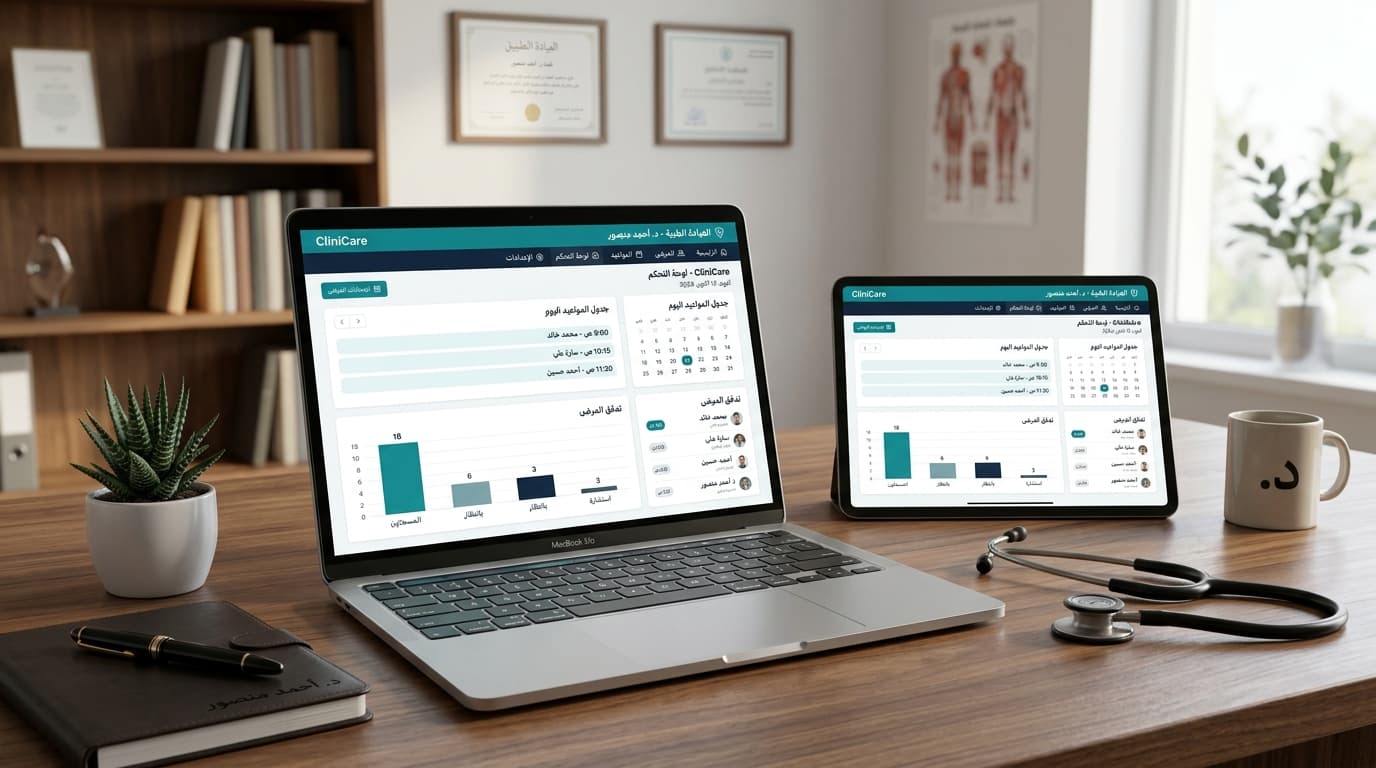
- Digital Patient Tracking Boards: These interactive dashboards provide a bird's-eye view of all patients in the clinic, showing their current location (waiting room, exam room, lab, imaging), their status (triaged, provider seen, awaiting results), and their wait times. This empowers staff to proactively manage flow and identify bottlenecks.
- Automated Rooming and Provider Assignment: Based on triage priority, room availability, and provider specialization, the software can suggest optimal room assignments and even queue patients for the next available provider, minimizing idle time.
- Streamlined Order Entry: Providers can digitally order labs, imaging studies, and medications directly from the patient’s electronic health record (EHR). These orders are instantly transmitted to the relevant departments (e.g., in-house lab, pharmacy), reducing transcription errors and speeding up turnaround times.
- Communication Hubs: Integrated messaging features allow secure, real-time communication between different care team members (e.g., nurse to physician, physician to lab technician), facilitating quick consultations and coordination without leaving the patient's side.
- Discharge Planning: The software assists in generating discharge instructions, aftercare plans, and follow-up appointment reminders, ensuring patients leave with clear guidance. E-prescribing capabilities allow prescriptions to be sent directly to the patient's preferred pharmacy.
Impact on Key Performance Indicators (KPIs)
Optimizing patient flow directly impacts critical KPIs for urgent care:
- Reduced Door-to-Provider Time: By streamlining registration and triage, patients see a clinician faster.
- Decreased Length of Stay (LOS): Efficient workflows, faster diagnostics, and quick discharge processes shorten the total time a patient spends in the clinic.
- Improved Patient Satisfaction: Shorter wait times, clear communication, and efficient care contribute to a more positive patient experience.
- Enhanced Staff Productivity: Automation of administrative tasks allows clinical staff to focus on direct patient care, improving job satisfaction and reducing burnout.
How can clinic management software improve overall emergency room patient flow?
Clinic management software significantly improves overall emergency room patient flow (applicable to urgent care) by providing real-time patient tracking boards, automating rooming and provider assignments, streamlining digital order entry for labs and medications, facilitating secure internal communication, and aiding in efficient digital discharge planning. These features collectively reduce wait times, decrease the length of stay, and optimize staff productivity by minimizing manual processes and coordinating care more effectively across all stages of a patient's visit.
Integrated EMR: The Backbone of Urgent Care Clinic Operations
At the heart of any effective clinic management software for urgent care is a robust and integrated Electronic Medical Record (EMR) system. An urgent care clinic EMR is not merely a digital repository for patient information; it is a dynamic tool that supports every clinical decision, enhances collaboration, and ensures continuity of care.
Core Features of an Urgent Care Clinic EMR
A specialized EMR for urgent care must be designed to meet the rapid-pace, episodic nature of these clinics:
- Comprehensive Patient Records: Centralized access to patient demographics, medical history, allergies, medications, past visits, and family history. This complete view empowers providers to make informed decisions quickly.
- Intuitive Charting and Documentation: Templates tailored for common urgent care presentations (e.g., respiratory infections, minor trauma, gastrointestinal issues) allow for rapid, standardized documentation. Features like voice-to-text and smart macros further expedite charting.
- E-Prescribing: Secure electronic transmission of prescriptions directly to pharmacies, reducing medication errors, improving adherence, and saving time for both patients and staff. Integration with pharmacy benefit managers can also flag potential drug interactions or formulary issues.
- Order Entry and Results Management: Seamless ordering of diagnostic tests (labs, X-rays) and immediate receipt of results directly into the patient's chart. Critical results can trigger automated alerts to providers.
- Clinical Decision Support: Built-in alerts and reminders for best practices, immunization schedules, drug interaction warnings, and evidence-based guidelines, helping providers adhere to quality standards.
- Referral Management: Easy creation and tracking of referrals to specialists or follow-up care, ensuring patients receive the necessary ongoing treatment after their urgent care visit.
Interoperability and Data Exchange
A key aspect of a modern urgent care clinic EMR is its ability to communicate and exchange data with other healthcare systems. This interoperability is vital for:
- Continuity of Care: Sharing patient summaries with primary care physicians or specialists ensures that all providers have a complete picture of the patient’s health journey.
- Public Health Reporting: Automated reporting of communicable diseases or other public health data to relevant authorities, fulfilling regulatory requirements efficiently.
- Billing and Claims: Seamless integration with billing modules ensures accurate coding and submission of claims, minimizing rejections and accelerating revenue cycles.
What features should an urgent care clinic EMR prioritize for optimal patient care?
An urgent care clinic EMR should prioritize features such as comprehensive patient records with quick access to medical history and allergies, intuitive charting with specialty-specific templates, robust e-prescribing for safety and efficiency, seamless order entry and results management for diagnostics, integrated clinical decision support for evidence-based care, and efficient referral management to ensure continuity of care. These features collectively enable rapid, informed decision-making and streamlined workflows crucial for the urgent care environment.
Data Analytics, Reporting, and Continuous Improvement
The true power of a sophisticated clinic management software extends beyond day-to-day operations to strategic insights. By collecting vast amounts of operational and clinical data, the software provides powerful analytics and reporting capabilities that are essential for continuous improvement and informed decision-making in urgent care settings.
Key Metrics for Urgent Care Performance
The software can generate customizable reports on a wide range of KPIs, allowing clinic administrators to monitor performance and identify areas for optimization:
- Patient Throughput Metrics:
- Average wait times (from arrival to triage, triage to provider, provider to discharge).
- Door-to-provider time.
- Length of stay (LOS).
- Patients seen per hour/day per provider.
- Clinical Quality Metrics:
- Adherence to clinical guidelines (e.g., antibiotic prescribing rates for specific conditions).
- Readmission rates or return visits for the same complaint within a short period.
- Patient satisfaction scores (often integrated via surveys).
- Operational Efficiency Metrics:
- Resource utilization (exam room occupancy, lab/imaging usage).
- Staff productivity (charts completed, orders placed).
- No-show rates for follow-up appointments.
- Financial Metrics:
- Claim submission and denial rates.
- Revenue per visit.
- Payer mix analysis.
Identifying Bottlenecks and Driving Improvement
With these comprehensive reports, urgent care managers can:
- Pinpoint Bottlenecks: If wait times for lab results are consistently high, it indicates a potential issue with lab staffing or processing. If door-to-provider times are increasing, it may suggest a need to re-evaluate triage protocols or staffing levels.
- Optimize Staffing: Data on peak hours and patient volumes can inform staffing schedules, ensuring adequate coverage during busy periods and preventing overstaffing during slower times.
- Enhance Training: Reports on clinical guideline adherence can highlight areas where staff may need additional training or education.
- Improve Patient Experience: By tracking patient satisfaction and wait times, clinics can implement targeted interventions to enhance the overall patient journey.
- Strategic Planning: Long-term trends in patient demographics, visit reasons, and financial performance provide invaluable insights for future expansion, service line development, and market positioning.
How does clinic management software support data-driven decision-making in urgent care?
Clinic management software supports data-driven decision-making in urgent care by providing robust analytics and reporting on key performance indicators such as patient throughput, clinical quality, operational efficiency, and financial metrics. This allows administrators to identify bottlenecks, optimize staffing, enhance training programs, improve patient experience, and inform strategic planning based on objective, real-time data rather than assumptions.
Choosing the Right Medical Practice Software for Your Urgent Care
Selecting the ideal medical practice software for an urgent care clinic is a critical decision that impacts every facet of operations, from patient care to financial stability. Given the unique demands of urgent care, several factors must be carefully considered to ensure the chosen system aligns with the clinic's specific needs and strategic goals.
Key Considerations for Selection
- Urgent Care Specificity: Does the software offer features specifically designed for urgent care, such as rapid charting templates, streamlined triage workflows, and efficient patient flow management? A generic EMR may not suffice.
- Scalability: Can the software grow with your clinic? If you plan to expand to multiple locations or increase patient volume, the system should be able to handle increased data and users without performance degradation.
- User-Friendliness: Given the fast-paced environment and potential for staff turnover, the software must be intuitive and easy to learn for all users, from front-desk staff to physicians.
- Integration Capabilities: Ensure seamless integration with existing systems (e.g., lab equipment, billing services, local health information exchanges) and the ability to connect with future technologies.
- Security and Compliance: The software must meet stringent data security standards (e.g., HIPAA in the US, local data protection laws in the Arab world) to protect patient privacy and ensure regulatory compliance. Cloud-based solutions offer robust security infrastructure.
- Vendor Support and Training: Evaluate the vendor's reputation for customer support, including initial implementation, ongoing technical assistance, and training resources. Reliable support is crucial for minimizing downtime.
- Cloud-Based vs. On-Premise: Cloud-based solutions offer significant advantages for urgent care, including accessibility from anywhere, automatic updates, reduced IT infrastructure costs, and enhanced data security.
Comparison Table: Cloud-Based vs. On-Premise Software for Urgent Care
| Feature | Cloud-Based Software | On-Premise Software |
|---|---|---|
| Accessibility | Anywhere, anytime with internet access. Ideal for multi-location clinics or remote access. | Limited to clinic premises; requires VPN for remote access. |
| IT Infrastructure | Minimal on-site hardware; vendor manages servers and maintenance. | Requires significant investment in servers, networking, and IT staff. |
| Cost | Subscription-based (SaaS); lower upfront costs, predictable monthly expenses. | High upfront capital expenditure for hardware and licenses; ongoing maintenance costs. |
| Updates & Maintenance | Automatic updates and maintenance handled by the vendor, often outside business hours. | Requires manual updates, patches, and maintenance by internal IT staff or contractors. |
| Scalability | Easily scalable up or down based on patient volume or clinic expansion. | Scaling requires additional hardware and software licenses, which can be costly and time-consuming. |
| Data Security | Robust, enterprise-grade security protocols, backups, and disaster recovery managed by expert vendors. | Security depends entirely on the clinic's internal IT capabilities and resources. |
| Disaster Recovery | Built-in redundancy and off-site backups ensure data resilience. | Requires manual setup and ongoing management of backup and recovery plans. |
What are the critical considerations when selecting medical practice software for an urgent care clinic?
When selecting medical practice software for an urgent care clinic, critical considerations include its specificity to urgent care workflows, scalability for future growth, user-friendliness for all staff, seamless integration capabilities with other systems, robust data security and regulatory compliance, and reliable vendor support and training. Additionally, evaluating the benefits of a cloud-based solution versus an on-premise system is crucial for long-term operational efficiency and cost-effectiveness.
Frequently Asked Questions (FAQ)
What is clinic management software, and why is it essential for urgent care?
Clinic management software is an integrated system designed to automate and streamline various administrative and clinical operations within a healthcare facility. For urgent care, it's essential because it helps manage the unpredictable patient flow, reduces wait times, standardizes clinical processes like triage, ensures accurate documentation, and enhances overall operational efficiency and patient safety in a fast-paced environment. It moves clinics from manual, error-prone processes to digital, data-driven workflows.
How does clinic software improve emergency triage efficiency?
Clinic software improves emergency triage efficiency by providing digital forms for rapid data input, automating triage scoring based on predefined protocols (like ESI), and offering real-time visibility of patient acuity levels. This standardization reduces human error, ensures consistent prioritization, and allows nurses to focus more on direct patient assessment rather than documentation, thereby speeding up the initial evaluation process and directing patients to appropriate care levels faster.
Can clinic management software help reduce patient wait times in urgent care?
Absolutely. Clinic management software significantly reduces patient wait times through several mechanisms: enabling online pre-registration, streamlining on-site check-in with digital forms and automated insurance verification, optimizing clinical triage, providing real-time patient tracking boards to identify and resolve bottlenecks, and facilitating faster diagnostic ordering and results management. These combined efforts create a smoother, more efficient patient journey from arrival to discharge.
What role does an urgent care clinic EMR play in patient safety?
An urgent care clinic EMR plays a critical role in patient safety by providing a comprehensive, centralized record of a patient's medical history, allergies, and medications, reducing the risk of adverse drug events. It includes clinical decision support tools that alert providers to potential drug interactions or best practice guidelines. Furthermore, accurate and standardized documentation within the EMR minimizes communication errors between care providers and ensures continuity of care, especially when referring patients to specialists or follow-up.
Is cloud-based medical practice software secure for patient data in the Arab world?
Yes, reputable cloud-based medical practice software vendors, especially those operating in the Arab world like TabeebPlus, implement robust, enterprise-grade security measures. These include advanced encryption, multi-factor authentication, regular security audits, and adherence to international data protection standards as well as local regulations (e.g., in Saudi Arabia, UAE, Egypt). Cloud providers often have more sophisticated security infrastructure and dedicated teams than individual clinics can afford, making them a very secure option for patient data.
How does clinic software assist with billing and financial management in urgent care?
Clinic software assists with billing and financial management by integrating clinical documentation with billing codes. It automates charge capture based on services rendered and procedures performed, facilitates electronic claim submission to insurance companies, and tracks payment statuses. The software can also manage patient co-pays, deductible tracking, and generate financial reports, significantly reducing billing errors, accelerating revenue cycles, and providing clear financial oversight for the clinic.
What kind of training is typically required for staff to use new clinic management software?
The training required for new clinic management software typically varies by role. Front-desk staff will need training on patient registration, scheduling, and billing modules. Nurses and medical assistants will focus on triage, charting, and order entry. Physicians will be trained on EMR charting, e-prescribing, and clinical decision support tools. A good vendor provides comprehensive training programs, often including online tutorials, in-person sessions, and ongoing support to ensure smooth adoption and proficiency across all staff members.
The demands on urgent care clinics are only intensifying, driven by increasing patient expectations and the complex nature of modern healthcare. Embracing advanced clinic management software is no longer an option but a strategic imperative for any urgent care facility aiming for sustained success and excellence in patient care. From the initial "emergency patient check in" to sophisticated "clinical triage software" and efficient "emergency room patient flow," these integrated systems provide the tools necessary to navigate the challenges, optimize operations, and deliver superior outcomes.
For urgent care clinics in the Arab world, including Egypt, Saudi Arabia, and the UAE, investing in a tailored solution is paramount. TabeebPlus stands as the leading cloud-based practice and clinic management software, specifically designed to meet these unique regional needs while adhering to global standards of excellence. With TabeebPlus, you gain a partner dedicated to revolutionizing your urgent care operations, enhancing patient satisfaction, and empowering your team to deliver exceptional care.
Discover how TabeebPlus can transform your urgent care clinic into a model of efficiency and patient-centered care. Streamline your processes, empower your staff, and elevate your patient experience today.