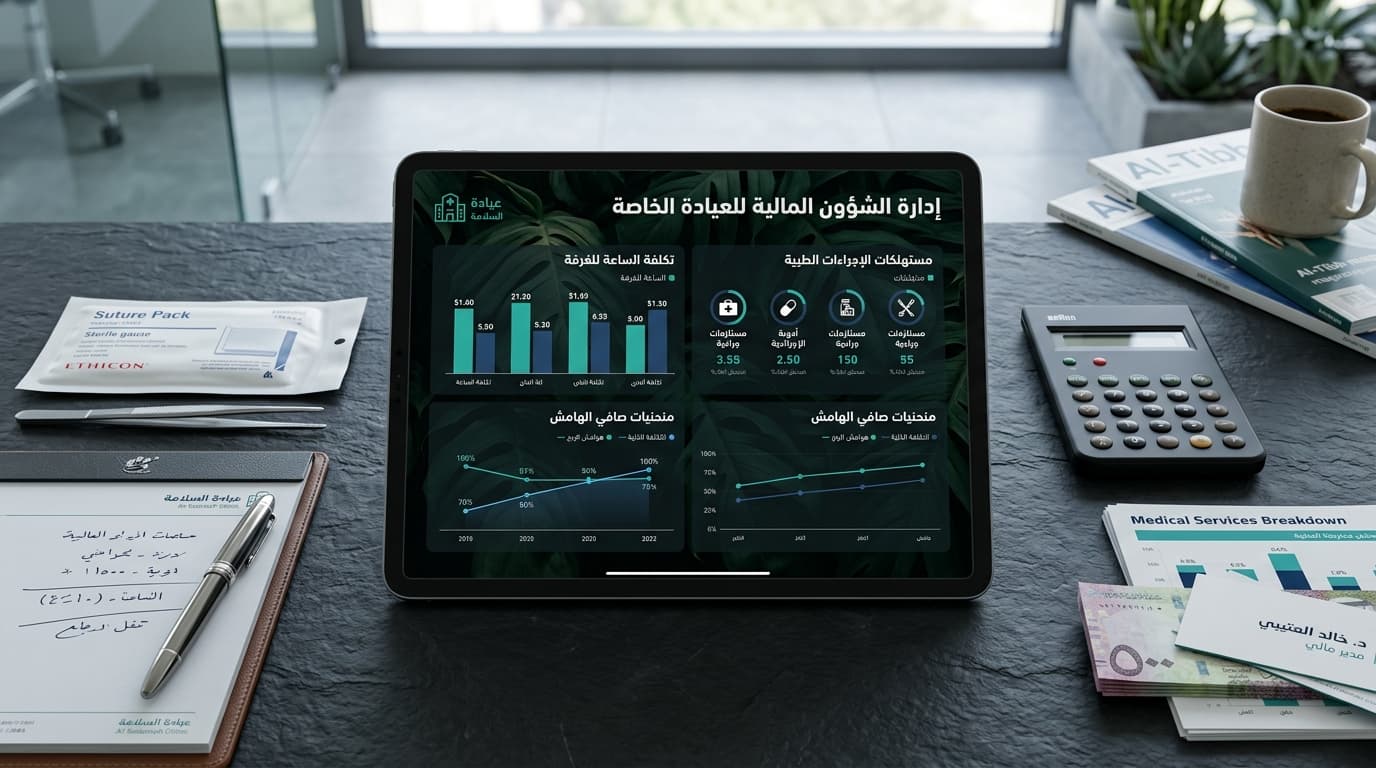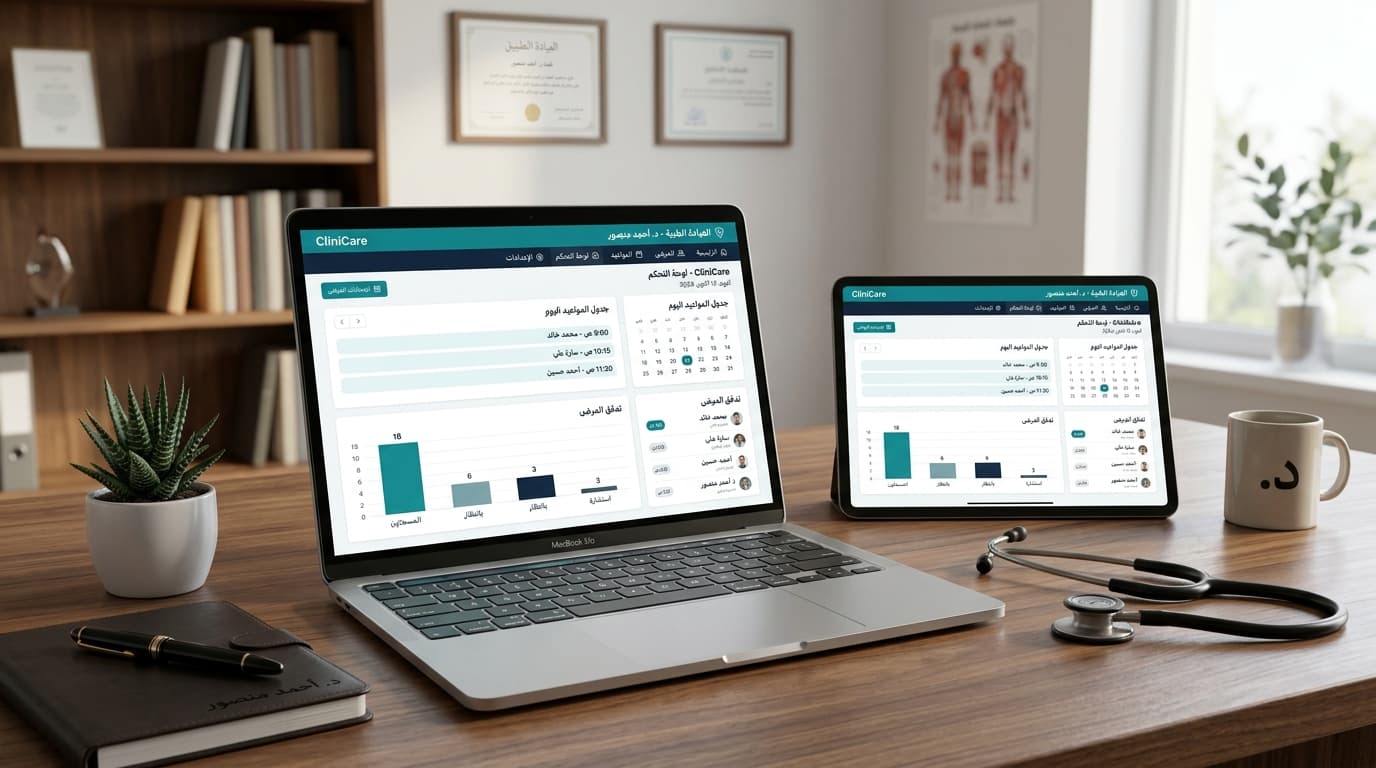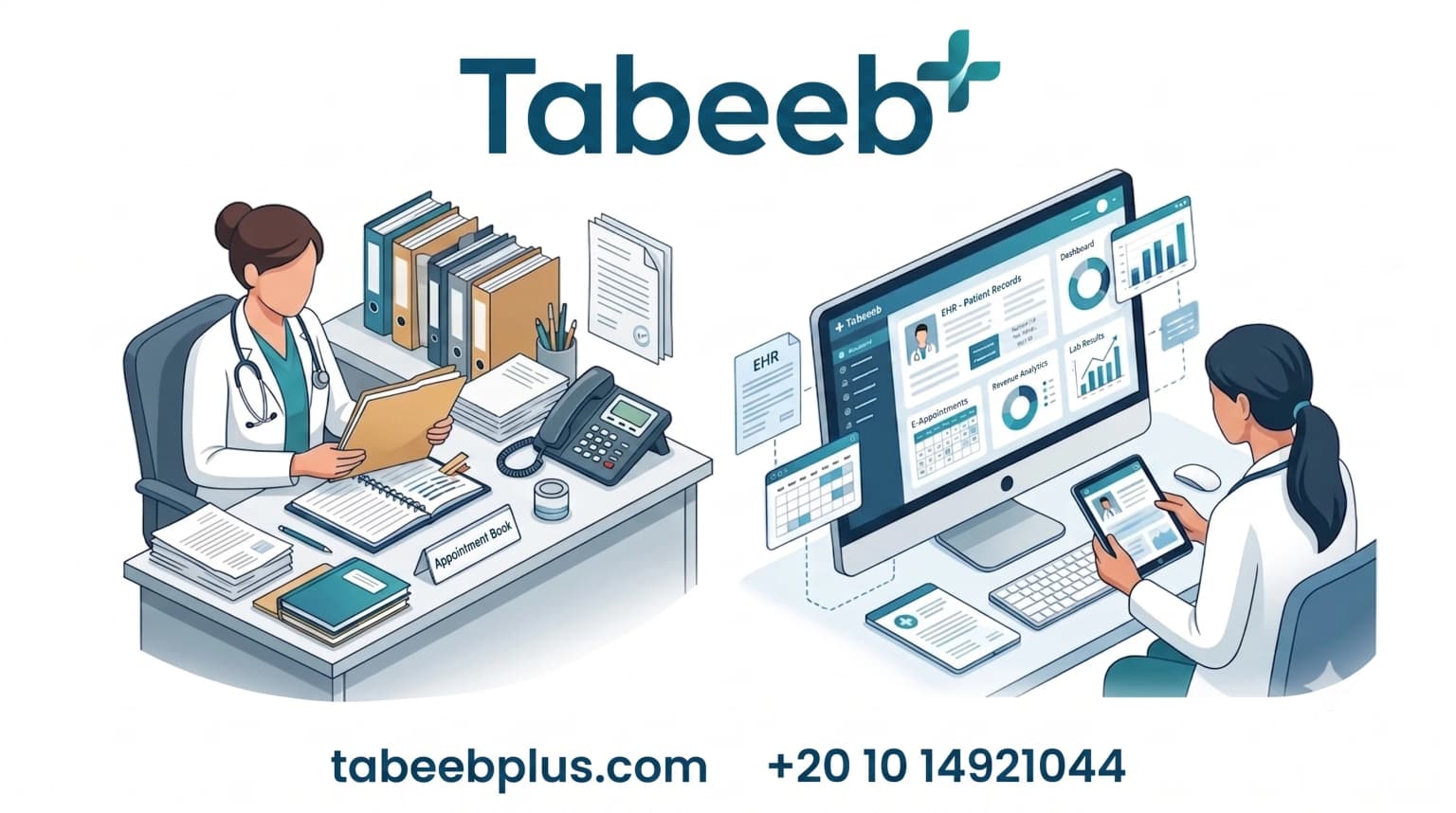
In the dynamic landscape of modern healthcare, efficient medical clinic management is not merely an advantage; it is a fundamental necessity for delivering high-quality patient care and ensuring sustainable practice growth. From the moment a patient schedules an appointment to the final billing process, every step in a clinic's operation impacts patient satisfaction, staff productivity, and overall financial health. For decades, clinics relied on established, traditional methods, characterized by paper records, manual scheduling, and physical filing systems. However, the advent of digital technology has ushered in a transformative era, offering sophisticated tools that promise to revolutionize how healthcare facilities operate. This comprehensive comparison delves into the core differences between traditional and digital methods in medical clinic management, illustrating how this digital transformation can significantly improve your clinic's efficiency, patient experience, and operational resilience.
Table of Contents
- The Foundations of Traditional Clinic Management
- Embracing the Digital Age: The Rise of Digital Clinic Management Systems
- A Head-to-Head Comparison: Traditional vs. Digital
- The Tangible Benefits of Digital Transformation for Your Clinic
- Frequently Asked Questions (FAQs)
The Foundations of Traditional Clinic Management
Traditional clinic management, by its very nature, is a system built on manual processes and physical documentation. For generations, this approach served healthcare providers adequately, fostering a sense of familiarity and direct control. However, it also came with inherent limitations that are increasingly challenged by the demands of contemporary healthcare.
Characteristics of Traditional Clinic Management:
- Paper-Based Records: Patient files, medical histories, consent forms, and test results are typically stored in physical folders within filing cabinets. This system relies heavily on meticulous manual organization.
- Manual Appointment Scheduling: Appointments are managed using physical ledgers, diaries, or basic spreadsheet software. Receptionists handle calls, check availability, and manually input appointments, often leading to phone tag and potential scheduling conflicts.
- Physical Billing and Invoicing: Billing is processed manually, often involving paper invoices, manual reconciliation with insurance providers, and physical payment collection. This can be a time-consuming and error-prone process.
- Limited Communication Channels: Patient communication primarily occurs via phone calls, postal mail, or in-person visits. Reminders are often manual, if sent at all, contributing to higher no-show rates.
- On-Premise Infrastructure: Data, if digitized at all, is typically stored on local servers within the clinic, requiring dedicated IT maintenance and physical security measures.
Advantages of Traditional Methods:
- Familiarity: Staff members who have worked in healthcare for many years are often comfortable with established paper-based routines.
- Low Initial Investment: The upfront cost for paper, pens, and filing cabinets is significantly lower than investing in comprehensive software and hardware.
- Simplicity for Basic Operations: For very small, low-volume practices, a traditional system might seem straightforward initially.
Disadvantages of Traditional Methods:
- Inefficiency and Time Consumption: Locating patient files, scheduling appointments, and processing billing manually are inherently slow processes. This can lead to long wait times for patients and overburdened staff.
- Prone to Human Error: Manual data entry, transcription, and filing increase the likelihood of errors, misplacing records, or incorrect billing, which can have significant consequences for patient care and clinic finances.
- Poor Data Accessibility: Patient information is not readily accessible across different departments or locations. In emergencies, critical data retrieval can be delayed.
- Security and Privacy Risks: Physical records are vulnerable to theft, damage (fire, flood), or unauthorized access. Ensuring compliance with privacy regulations like HIPAA becomes a constant challenge without robust physical security protocols. The World Health Organization (WHO) highlights the importance of robust data governance in healthcare, a challenge amplified by traditional systems that lack inherent digital security features.
- Lack of Scalability: As a clinic grows, the volume of paper records and manual tasks quickly becomes unmanageable, hindering expansion and increasing operational costs.
- Limited Analytics: Extracting meaningful insights from paper records for operational improvements or strategic planning is nearly impossible.
Embracing the Digital Age: The Rise of Digital Clinic Management Systems
The dawn of the digital era brought with it powerful solutions designed to address the shortcomings of traditional clinic management. Digital clinic management systems, often cloud-based, integrate various administrative and clinical functions into a cohesive platform. These systems represent a fundamental shift from reactive, manual processes to proactive, automated workflows, epitomizing the concept of Digital Transformation in healthcare.
Core Components of a Digital Clinic Management System:
- Electronic Medical Records (EMR) / Electronic Health Records (EHR): Digital repositories for all patient health information, including medical history, diagnoses, medications, immunization dates, allergies, and test results. Tabeeb Plus EMR offers a robust solution for this critical function.
- Appointment Scheduling Software: Automated systems that allow patients to book appointments online, send automated reminders, and manage staff schedules efficiently. This is a cornerstone for improving Tabeeb Plus Appointments management.
- Integrated Billing and Invoicing: Systems that automate the billing process, from generating invoices and submitting claims to tracking payments and managing accounts receivable. Tabeeb Plus Billing streamlines this complex area.
- Patient Portals: Secure online platforms where patients can access their health information, request appointments, communicate with their providers, and pay bills.
- Reporting and Analytics Tools: Capabilities to generate detailed reports on clinic performance, patient demographics, financial health, and operational metrics, providing actionable insights.
- Digital Communication Tools: Integration with secure messaging platforms, email, and even Tabeeb Plus WhatsApp integrations for efficient and timely patient-provider communication.
Advantages of Digital Clinic Management:
- Enhanced Efficiency and Productivity: Automation of routine tasks significantly improves clinic workflow, freeing up staff to focus on patient care. This directly translates into higher Productivity.
- Improved Accuracy and Data Integrity: Digital systems reduce human error in data entry and record-keeping, ensuring more accurate patient information and billing.
- Superior Data Accessibility: Patient records are instantly accessible to authorized personnel from any location, facilitating coordinated care and rapid decision-making.
- Robust Security and Compliance: Digital systems employ encryption, access controls, and audit trails to protect patient data, making it easier to comply with regulations like HIPAA.
- Scalability: Digital platforms can easily accommodate clinic growth without requiring a proportional increase in administrative staff or physical storage.
- Better Patient Experience: Online booking, automated reminders, and patient portals contribute to reduce patient wait times and enhance overall patient satisfaction.
- Actionable Insights: Data analytics provide valuable insights into clinic performance, helping management make informed strategic decisions.
A Head-to-Head Comparison: Traditional vs. Digital
To truly grasp the transformative power of digital solutions, it's essential to examine how traditional and digital approaches diverge across key operational areas within a medical clinic. This detailed comparison highlights the stark contrasts and illuminates why modern healthcare practices are increasingly opting for Digital Transformation.
Key Areas of Comparison:
- Appointment Scheduling: This is often the first point of contact for patients. Traditional methods involve phone calls and manual entries, which are prone to errors and can frustrate patients. Digital appointment scheduling software, like that offered by Tabeeb Plus, provides online booking, automated reminders, and real-time availability, significantly improving clinic operational efficiency and reducing no-shows.
- Patient Records Management: The core of patient care relies on accurate and accessible medical records. Paper charts are susceptible to loss, damage, and difficult to share. Digital EMR systems ensure secure, centralized, and instantly retrievable patient data, enhancing patient safety and care coordination.
- Billing and Financial Management: Manual billing is a notorious source of errors and delays. Digital systems automate claim submissions, track payments, and provide transparent financial reporting, leading to healthier clinic finances and fewer billing disputes.
- Patient Communication: Effective communication is vital for patient engagement. Traditional methods are limited and often reactive. Digital platforms enable proactive communication through automated reminders, secure messaging, and patient portals, fostering better patient relationships.
- Operational Efficiency and Workflow: The cumulative effect of manual tasks in a traditional clinic creates bottlenecks and reduces Productivity. Digital solutions streamline almost every clinic workflow, from check-in to checkout, leading to significant time savings and higher staff morale.
- Data Security and Compliance: Protecting sensitive patient information is paramount. While physical records require stringent physical security, digital systems offer advanced encryption, access controls, and audit trails that make compliance with regulations like HIPAA much more manageable and auditable. For more on HIPAA compliance, refer to official guidelines from the U.S. Department of Health & Human Services.
Here's a detailed comparison table:
| Feature | Traditional Clinic Management | Digital Clinic Management |
|---|---|---|
| Appointment Scheduling | Manual, phone-based, paper ledger/diary. Prone to double-bookings, missed calls. High staff time. | Online booking, automated reminders, real-time availability. Reduces no-shows, frees up staff. Tabeeb Plus Appointments. |
| Patient Records | Paper charts, physical filing cabinets. Risk of loss, damage, difficult to share, limited accessibility. | Electronic Medical Records (EMR/EHR). Secure, centralized, instantly accessible, searchable, sharable. Tabeeb Plus EMR. |
| Billing & Invoicing | Manual processing, paper invoices, manual claim submission, reconciliation. High error rate, slow. | Automated claim submission, payment tracking, integrated invoicing, transparent reporting. Tabeeb Plus Billing. |
| Patient Communication | Phone calls, postal mail, in-person. Reactive, time-consuming, limited reach. | Automated reminders, secure messaging, patient portals, WhatsApp integrations. Proactive, efficient, broad reach. |
| Operational Efficiency | Labor-intensive, repetitive tasks, bottlenecks, high administrative overhead. | Streamlined workflows, automation, reduced administrative burden, improved clinic operational efficiency. |
| Data Security & Compliance | Physical security (locked cabinets), vulnerability to theft/damage. Difficult to audit. | Encryption, access controls, audit trails, secure backups, easier HIPAA compliance. |
| Accessibility | Limited to physical location of records. Delays in accessing critical information. | Remote access for authorized users, facilitates telehealth and coordinated care. |
| Cost (Long-term) | Hidden costs: staff time, storage, lost revenue from errors, printing. | Initial investment, but significant long-term savings through efficiency and reduced errors. |
| Scalability | Difficult and expensive to scale; requires more physical space and staff. | Easily scales with clinic growth; minimal additional infrastructure required. |
| Reporting & Analytics | Almost non-existent; requires painstaking manual data compilation. | Real-time dashboards, custom reports for informed decision-making. |
The Tangible Benefits of Digital Transformation for Your Clinic
The transition from traditional to digital medical clinic management isn't just about adopting new technology; it's about embracing a new paradigm of healthcare delivery. The benefits extend far beyond mere convenience, impacting every facet of a clinic's operation and patient experience.
Improved Clinic Workflow and Productivity:
Digital systems automate countless repetitive tasks, from appointment reminders to prescription refills. This automation dramatically improves clinic workflow by reducing bottlenecks and allowing staff to reallocate their time to more valuable activities, such as direct patient interaction or complex problem-solving. The result is a significant boost in overall Productivity, enabling clinics to see more patients, process more claims, and manage their resources more effectively.
Enhanced Patient Experience and Reduced Wait Times:
Patient satisfaction is a cornerstone of a successful practice. Digital tools contribute directly to this by offering:
- Convenient Online Scheduling: Patients can book appointments at their leisure, reducing the need for phone calls and wait times.
- Automated Reminders: Reducing no-shows and ensuring patients arrive prepared.
- Streamlined Check-in: Digital forms and kiosks can expedite the check-in process.
- Faster Access to Information: Providers have immediate access to patient records, leading to more informed and efficient consultations.
Collectively, these improvements work to reduce patient wait times, making the patient journey smoother and more pleasant.
Better Data Security and Compliance:
In an age where data breaches are a constant threat, digital systems offer robust security measures that paper records simply cannot match. Advanced encryption, multi-factor authentication, audit trails, and secure cloud storage protect sensitive patient information from unauthorized access, loss, or damage. This makes it significantly easier for clinics to meet stringent regulatory requirements, such as HIPAA, protecting both the patient's privacy and the clinic from potential legal repercussions.
Informed Decision-Making with Real-time Analytics:
One of the most powerful advantages of digital clinic management is the ability to collect, analyze, and report on vast amounts of operational and financial data. Clinics can gain insights into:
- Appointment trends and no-show rates.
- Financial performance and revenue cycles.
- Patient demographics and service utilization.
- Staff performance and resource allocation.
These real-time analytics empower practice managers and healthcare providers to make data-driven decisions, identify areas for improvement, and optimize their services for better outcomes and profitability. This strategic capability is a hallmark of successful Digital Transformation.
Scalability and Future-Proofing:
As healthcare evolves, so too must clinics. Digital management systems are inherently scalable, allowing practices to grow without being constrained by physical space for records or the limitations of manual processes. They are designed to adapt to new technologies, integrate with emerging healthcare tools (like telemedicine platforms), and comply with future regulatory changes, effectively future-proofing the clinic's operations.
Frequently Asked Questions (FAQs)
Q1: Is digital clinic management suitable for small clinics with limited budgets?
Absolutely. Many digital clinic management systems, especially cloud-based ones like Tabeeb Plus, offer flexible pricing models and scalable solutions that cater to practices of all sizes. The long-term cost savings from increased efficiency, reduced errors, and improved patient retention often outweigh the initial investment, making it a viable and beneficial option even for small clinics.
Q2: What is the primary barrier to adopting digital clinic management?
The most common barriers include initial cost concerns, resistance to change from staff, and the perceived complexity of implementation. However, modern systems are designed for user-friendliness, and many providers offer comprehensive training and support to ease the transition, making these barriers surmountable. The long-term benefits in efficiency and patient care far outweigh these initial hurdles.
Q3: How secure are patient records in a digital system compared to paper files?
Digital systems, when properly implemented and managed, are significantly more secure than paper files. They employ advanced encryption, access controls, audit trails, and regular backups to protect data. Reputable cloud-based providers adhere to stringent security standards and compliance regulations (like HIPAA), often exceeding the security capabilities of individual clinics managing physical records.
Q4: Will adopting digital management reduce personal interaction with patients?
On the contrary, digital management often enhances personal interaction. By automating administrative tasks, staff are freed up to engage more meaningfully with patients. Online portals and secure messaging offer convenient communication channels that complement face-to-face interactions, allowing patients to feel more connected and informed without burdening clinic staff with routine calls.
Q5: How long does it typically take to implement a new digital clinic management system?
Implementation timelines vary depending on the size and complexity of the clinic, as well as the specific system chosen. Generally, a full implementation can take anywhere from a few weeks to several months. This includes data migration, staff training, and customization. Many providers offer structured implementation plans to ensure a smooth transition.
Q6: Can digital systems integrate with existing medical equipment or software?
Most modern digital clinic management systems are designed with interoperability in mind. They often support integration with various medical devices, lab systems, imaging software, and other third-party applications through APIs or standard data protocols. This creates a more cohesive and efficient digital ecosystem within the clinic.
Q7: What kind of training is typically required for staff to use a digital system?
Comprehensive training is crucial for successful adoption. This usually involves initial onboarding sessions, user manuals, video tutorials, and ongoing support. Training covers all modules relevant to staff roles, such as appointment scheduling, EMR navigation, billing procedures, and patient communication tools. Many providers offer dedicated support teams to assist during and after implementation.
Q8: Does digital management truly help to reduce patient wait times?
Yes, significantly. Digital systems streamline multiple points of the patient journey that contribute to wait times. Automated appointment scheduling minimizes overbooking, online pre-registration reduces check-in delays, and instant access to EMRs by providers speeds up consultations. The overall improvement in clinic workflow and efficiency directly translates to shorter wait times for patients.
The journey from traditional, paper-based operations to a fully integrated digital medical clinic management system marks a pivotal evolution in healthcare. While traditional methods offered familiarity, their inherent inefficiencies, risks, and limitations no longer align with the demands of modern patient care and operational excellence. Digital transformation, powered by comprehensive platforms, offers a pathway to unparalleled efficiency, enhanced patient satisfaction, robust data security, and strategic growth. By embracing advanced appointment scheduling software, sophisticated EMR systems, and streamlined billing processes, clinics can not only overcome existing challenges but also position themselves for future success in a rapidly changing healthcare landscape. The choice is clear: to thrive in today's competitive environment, clinics must leverage the power of digital innovation.
Ready to transform your clinic's operations and deliver superior patient care? Discover how Tabeeb Plus can elevate your practice. Request Your Free TabeebPlus Demo Today.