How Clinic Software Enables Virtual Consultations and Telehealth
The healthcare landscape in the Middle East is undergoing a rapid digital transformation. Clinics and medical centers across Egypt, Saudi Arabia, and the United Arab Emirates are moving away from legacy paper systems to adopt cloud-based clinic management software that unifies administrative, clinical, and financial workflows. As patient expectations shift toward convenience, accessibility, and speed, telehealth has transitioned from a temporary pandemic-era emergency response to a permanent pillar of modern medical practice. Integrating virtual care into daily clinical workflows is no longer optional; it is a strategic necessity for growth and patient retention.
Table of Contents
- 1. The Shift to Hybrid Medical Care Models in Modern Practice
- 2. Core Telemedicine Features in EMR Systems
- 3. Seamless Telehealth Integration Clinic Software Workflow
- 4. Security, Privacy, and Compliance in Virtual Consultations
- 5. Clinical and Financial Comparison: Virtual vs. In-Person Workflows
- 6. Optimizing Virtual Patient Consultations: Best Practices for Doctors
- 7. Frequently Asked Questions (FAQ)
1. The Shift to Hybrid Medical Care Models in Modern Practice
Modern healthcare delivery is no longer confined to the physical walls of a clinic. Patients today demand a hybrid medical care model, which seamlessly combines traditional in-person visits with remote clinical touchpoints. This model offers the best of both worlds: physical examinations when clinical necessity demands it, and virtual follow-ups, prescription renewals, and triage when convenience is paramount.
For medical practices in the Arab world, implementing a hybrid framework solves several critical operational bottlenecks. In high-density urban areas like Cairo, Riyadh, and Dubai, traffic congestion and long travel times often lead to high patient no-show rates. By offering virtual alternatives, clinics can capture lost revenue, optimize their daily schedules, and expand their geographic reach far beyond their physical neighborhoods.
"A hybrid healthcare model is not about replacing the physical clinic; it is about extending the clinic's reach, ensuring that patient-doctor relationships remain continuous, proactive, and accessible."
Clinically, the hybrid model is highly effective for chronic disease management. Patients suffering from long-term conditions like diabetes, hypertension, or thyroid disorders require frequent monitoring but do not always need a physical exam. Regular virtual check-ins allow physicians to review home-monitored physiological data, adjust dosages, and offer lifestyle counseling without requiring the patient to travel, wait in reception areas, or risk exposure to infectious diseases in waiting rooms.
2. Core Telemedicine Features in EMR Systems
To deliver high-quality virtual care safely and effectively, clinics must utilize robust telemedicine features in EMR (Electronic Medical Record) systems. Telehealth is not simply a video call; it is a clinical encounter that requires the same level of documentation, security, and administrative precision as an in-office visit. A generic video conferencing app cannot meet these clinical demands.
Integrated WebRTC Video Conferencing
The core of any virtual consultation is high-definition, secure video and audio communication. Advanced practice management systems utilize WebRTC (Web Real-Time Communication) technology. This enables browser-to-browser video connections without requiring patients to download external applications or plugins. With a single click from their patient portal or a secure SMS link, patients can join their doctor in a secure, virtual examination room.
Concurrent Clinical Charting
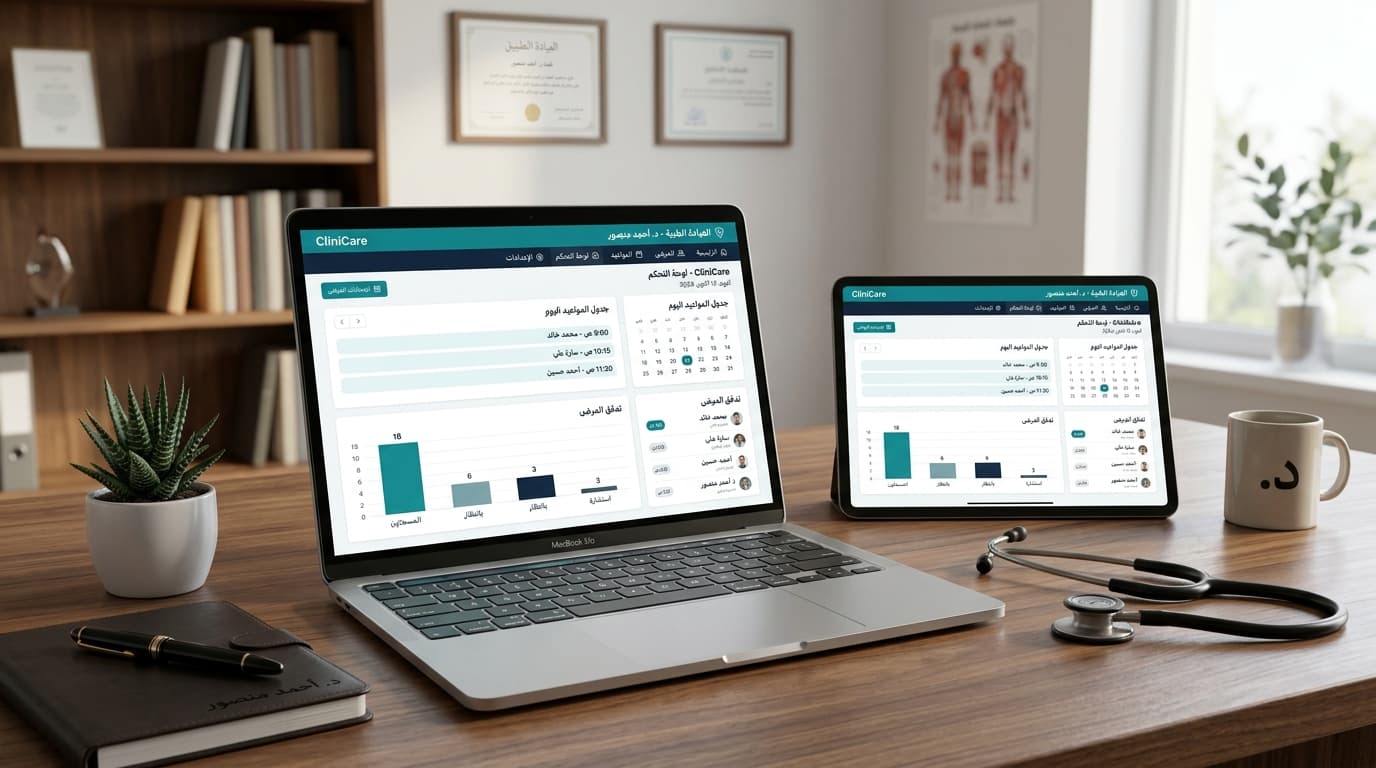
A major challenge for physicians during video doctor consultations is maintaining eye contact and engagement while documenting the visit. Modern EMR systems solve this by offering split-screen interfaces. On one side of the screen, the physician sees the live video feed of the patient; on the other side, they have full access to the patient's medical history, active medications, allergies, and the active soap note template. This allows for real-time charting, ensuring clinical accuracy without compromising the patient-doctor connection.
Electronic Prescriptions (eRx) and Digital Orders
Once a virtual consultation is complete, the clinical workflow must continue seamlessly. Integrated EMR systems allow doctors to generate secure electronic prescriptions (eRx) and send them directly to the patient's preferred pharmacy or issue a digitally signed PDF with a secure QR code. Similarly, laboratory and radiology orders can be generated and transmitted electronically, allowing patients to go straight to the diagnostic center without needing a physical paper slip.
3. Seamless Telehealth Integration Clinic Software Workflow
For telehealth to be sustainable, it must fit naturally into the clinic's existing operational workflow. A unified telehealth integration clinic software platform ensures that from the moment a patient books an appointment to the final settlement of the invoice, every step is automated and cohesive.
The standard operational workflow of an integrated virtual consultation involves several key steps:
- Online Booking: The patient visits the clinic's website or portal, selects "Virtual Consultation" as the appointment type, chooses their preferred doctor, and selects an available time slot. The system automatically updates the clinic's central appointment scheduling calendar.
- Automated Pre-Visit Triaging & Consent: The system automatically emails or SMSs the patient a booking confirmation along with digital intake forms and a telehealth consent agreement. The patient fills out their current symptoms, uploads recent lab results, and signs the consent form digitally. This data instantly populates their EMR file.
- Automated Reminders: To minimize no-shows, the software sends automated reminders (24 hours and 1 hour before the appointment) containing the secure, one-click video link.
- The Virtual Waiting Room: When the patient clicks the link, they enter a secure virtual waiting room. The clinic's receptionist can see that the patient has checked in, verify their basic information, and alert the doctor that the patient is ready.
- The Consultation: The doctor initiates the video call directly from their dashboard, reviews the pre-visit intake data, conducts the consultation, and documents the clinical findings.
- Digital Billing and Checkout: After the call ends, the system automatically generates an invoice based on the clinical codes selected. The patient receives a secure payment link via SMS or email to complete their co-pay or full payment online.
4. Security, Privacy, and Compliance in Virtual Consultations
Data security is the most critical hurdle when implementing telehealth services. Patient health information is highly sensitive and is a prime target for cyber threats. Standard consumer video applications do not comply with international and regional healthcare privacy laws.
When conducting virtual patient consultations, clinic software must adhere to strict regulatory standards, including:
- End-to-End Encryption: All video, audio, and chat data transmitted during a consultation must be encrypted in transit and at rest using advanced encryption standards (such as AES-256).
- International Standards: Alignment with global frameworks like the U.S. Health Insurance Portability and Accountability Act (HIPAA) guidelines is essential for ensuring data confidentiality, integrity, and availability.
- Regional Data Sovereignty: In the Middle East, countries have strict data residency laws. For instance, Saudi Arabia’s National Health Information Center (NHIC) and the UAE’s federal health data laws require that patient health records be stored on secure, local cloud servers within the country's borders.
- Access Controls and Audit Logs: The software must feature role-based access controls, ensuring that only authorized clinical staff can view patient records. Every action—from viewing a file to editing a prescription—must be recorded in an unalterable audit log.
5. Clinical and Financial Comparison: Virtual vs. In-Person Workflows
To understand the operational impact of integrating telehealth into your clinic, it is helpful to compare the two care delivery methods across key administrative and clinical metrics.
| Operational Metric | Traditional In-Person Consultations | Integrated Virtual Consultations |
|---|---|---|
| Average Patient Wait Time | 20 to 45 minutes in physical waiting rooms. | Less than 5 minutes in a virtual waiting room. |
| Administrative Overhead | High (physical reception, paper intake, manual check-in). | Low (automated digital intake, self-check-in, online payment). |
| No-Show & Cancellation Rates | Typically 15% to 25% due to travel/logistical issues. | Significantly reduced to under 5% to 8% due to ease of access. |
| Clinical Documentation | Often delayed, completed post-visit or end of day. | Completed in real-time using split-screen EMR interfaces. |
| Geographic Reach | Limited to patients within a 15-30 km radius of the clinic. | Unlimited (nationwide or regional reach). |
| Billing and Payment | Manual cash/card handling at the front desk. | Automated online payment gateway integration. |
6. Optimizing Virtual Patient Consultations: Best Practices for Doctors
Transitioning to virtual care requires a shift in clinical communication and workflow management. To ensure that virtual patient consultations maintain the highest standards of clinical excellence and patient satisfaction, medical providers should implement the following best practices:
Establish a Professional Virtual Environment
Even though the consultation is remote, the environment must remain thoroughly professional. Doctors should conduct video calls from a quiet, well-lit room with a neutral background. The camera should be positioned at eye level to simulate direct eye contact, which is crucial for building trust and rapport in a digital setting.
Master the Digital "Webside Manner"
Just as bedside manner is vital in a physical clinic, "webside manner" dictates the success of a virtual visit. Doctors should explicitly explain what they are doing when looking away from the camera to type notes. For example, saying, "I am looking down at my screen now to review your recent blood test results," reassures the patient that the doctor is fully engaged in their care.
Implement Structured Clinical Checklists
Without the ability to perform a physical palpation or auscultation, physicians must rely on highly detailed subjective assessments. Utilizing structured clinical templates within their EMR helps doctors systematically ask targeted questions about symptoms, pain scales, and lifestyle factors, ensuring no critical clinical indicator is overlooked.
Incorporate Remote Patient Monitoring (RPM) Data
Encourage patients to use home monitoring devices, such as digital blood pressure cuffs, glucometers, or wearable fitness trackers. Before or during the call, patients can share these readings through the secure patient portal. The doctor can then analyze this longitudinal data, leading to much more precise clinical decisions than a single, isolated reading in a high-stress clinic environment could provide.
7. Frequently Asked Questions (FAQ)
Can clinic management software handle insurance claims for virtual consultations?
Yes, advanced clinic management systems support insurance billing for telehealth. The software allows billers to attach specific telemedicine modifiers and telehealth-specific procedure codes to claims, ensuring they are automatically formatted to meet the requirements of regional insurance providers and national health systems.
Do patients need to download a mobile app to join a virtual consultation?
No, premium clinic software utilizes secure WebRTC technology, which allows patients to join video consultations directly from their mobile or desktop web browser. They simply click a secure link received via SMS or email, eliminating the friction of downloading, installing, and configuring external applications.
How do doctors write prescriptions during a virtual consultation?
Physicians can write and sign prescriptions electronically directly within the EMR interface during the video call. The e-prescription is saved to the patient’s digital chart and can be automatically sent to an integrated partner pharmacy or shared with the patient via a secure, password-protected PDF containing a verification QR code.
Is virtual consultation software secure enough to protect patient privacy?
Yes, professional clinic software is built to comply with strict international security standards like HIPAA, as well as local data protection regulations in Egypt, KSA, and the UAE. Features include end-to-end encryption for video and audio, secure cloud hosting, multi-factor authentication, and comprehensive audit logs that track every access to patient data.
How do clinics collect payments for virtual consultations?
The software integrates with secure online payment gateways. When a patient books an appointment, they can be prompted to pay online via credit card, debit card, or local payment methods (such as Mada in KSA or Fawry in Egypt). Alternatively, the clinic can automatically email or SMS a secure payment link after the consultation is completed.
What medical specialties benefit most from telehealth integration?
While telehealth is highly versatile, it is exceptionally beneficial for specialties that require extensive counseling, follow-up care, and chronic management. This includes psychiatry and mental health, endocrinology, dermatology (via high-resolution image sharing), pediatrics (for initial triaging), and general practice/family medicine.
Empower Your Practice with TabeebPlus
Adopting a modern, cloud-based practice management system is the single most effective way to integrate virtual care into your medical practice. By consolidating scheduling, secure video visits, clinical charting, and digital billing into a single, cohesive platform, you can eliminate administrative friction, elevate patient satisfaction, and tap into new revenue streams. If you are ready to transition your clinic into a highly efficient, hybrid care provider, TabeebPlus is the ideal partner. Designed specifically to meet the unique regulatory and operational needs of healthcare providers in Egypt, Saudi Arabia, and the UAE, our software ensures your practice remains compliant, secure, and highly competitive.
Ready to experience the future of clinic management? Request Your Free TabeebPlus Demo Today or reach out directly via our Contact Page to speak with one of our digital health experts.