
Navigating the intricate regulatory landscape of Saudi Arabia to establish a private medical clinic requires meticulous planning, a profound understanding of local regulations, and unwavering adherence to official protocols. For healthcare entrepreneurs and medical professionals aspiring to launch their own practice in the Kingdom, securing a Saudi clinic license Ministry of Health approval is the cornerstone of this journey. This comprehensive guide, meticulously crafted by healthcare IT and practice management experts, aims to demystify the multi-layered process, offering clarity on the essential steps and requirements from initial concept to full operational readiness. We delve into the roles of key governmental bodies, including the Ministry of Health (MoH), the Saudi Commission for Health Specialties (SCFHS), and the Balady platform, ensuring you are well-equipped to navigate each phase successfully.
The Kingdom of Saudi Arabia is rapidly transforming its healthcare sector, driven by Vision 2030, which emphasizes privatization, quality enhancement, and technological integration. This shift presents immense opportunities for private healthcare providers, but it also necessitates a rigorous licensing framework designed to uphold the highest standards of patient care and safety. Understanding these requirements from the outset is not merely a bureaucratic formality; it is a strategic imperative that ensures compliance, mitigates risks, and lays a robust foundation for a thriving medical practice.
This article will guide you through the official steps, required documentation, and critical considerations for obtaining your private clinic license, helping you transform your vision into a compliant, operational healthcare facility in Saudi Arabia.
Table of Contents
- Understanding the Regulatory Landscape for Private Clinics in KSA
- Phase 1: Initial Planning and Pre-Application Requirements
- Phase 2: The Ministry of Health (MoH) Licensing Process
- Phase 3: Balady Platform and Municipality Approvals
- Essential Considerations for Ongoing Compliance and Operations
- Frequently Asked Questions (FAQs)
Understanding the Regulatory Landscape for Private Clinics in KSA
Establishing a private clinic in Saudi Arabia involves navigating a sophisticated regulatory ecosystem, primarily governed by three major entities. Each plays a distinct yet interconnected role in the licensing and operational oversight of healthcare facilities. A clear understanding of these roles is paramount for any aspiring clinic owner to meet the comprehensive private clinic requirements KSA.
The Ministry of Health (MoH)
The Ministry of Health is the primary regulatory body overseeing all aspects of healthcare provision in Saudi Arabia. Its mandate includes setting health policies, standards for medical practice, facility design, equipment specifications, and patient safety protocols. The MoH grants the foundational license for a medical facility to operate. This license is a testament to the clinic's adherence to national health standards, ensuring that it is equipped, staffed, and structured to provide safe and effective medical care. The MoH conducts thorough inspections, reviews architectural plans, approves medical equipment, and ensures compliance with clinical governance guidelines. Without MoH approval, no medical clinic can legally function in the Kingdom.
Saudi Commission for Health Specialties (SCFHS) – Mumaris Plus
The Saudi Commission for Health Specialties (SCFHS) is responsible for the professional classification, registration, and licensing of all healthcare practitioners in Saudi Arabia. This includes physicians, nurses, pharmacists, technicians, and allied health professionals. The SCFHS ensures that all medical staff meet specific educational, experiential, and competency standards. The "Mumaris Plus" platform is the online portal through which healthcare professionals apply for professional classification, registration, and renewal of their licenses. For a clinic, ensuring that all its medical staff have valid and appropriate SCFHS licenses is a non-negotiable prerequisite for obtaining and maintaining its facility license. The clinic's license is intrinsically linked to the credentials of its personnel, making Mumaris plus clinic registration an indirect but critical component of the overall clinic licensing process.
Balady Platform and Municipalities
Beyond the health-specific regulations, private clinics, like any commercial establishment, must comply with municipal laws and regulations. The "Balady" platform is a unified digital portal managed by the Ministry of Municipal and Rural Affairs and Housing, streamlining the process for obtaining municipal licenses and permits. This includes permits related to commercial activities, building permits, advertising permits, and ensuring compliance with local zoning and safety codes. While the MoH focuses on clinical aspects, the municipality, through the Balady platform, ensures the clinic's physical location and commercial operations align with urban planning, public safety, and environmental standards. Obtaining a Balady medical license is therefore essential for the commercial operation of the clinic, complementing the MoH's clinical approval.
The interplay between these bodies means that a successful licensing journey requires a holistic approach. Each approval is contingent upon the others, forming a complex web of requirements that must be meticulously addressed. Understanding these distinct roles from the outset allows for better preparation and a more streamlined application process.
Phase 1: Initial Planning and Pre-Application Requirements
The journey to obtaining a Saudi clinic license begins long before any official application is submitted. This crucial initial phase involves strategic planning, legal groundwork, and ensuring the physical infrastructure meets stringent standards. Overlooking any of these foundational steps can lead to significant delays and complications in the subsequent licensing phases, particularly concerning the Saudi clinic licensing procedures.
Business Registration and Legal Entity
The first step involves establishing the legal framework for your clinic. This typically means registering your commercial entity with the Ministry of Commerce and Investment (MCI). You will need to decide on the appropriate legal structure for your clinic, such as a sole proprietorship, a limited liability company (LLC), or another suitable corporate form. This involves:
- Commercial Registration (CR): Obtaining a Commercial Registration certificate is fundamental. This document officially recognizes your business entity and is a prerequisite for almost all subsequent licenses and permits.
- Trade Name Reservation: Reserving a unique trade name for your clinic that complies with Saudi regulations.
- Articles of Association/Partnership Agreement: For multi-owner entities, drafting and notarizing these documents outlining ownership, responsibilities, and operational guidelines.
It is advisable to consult with a legal expert specializing in Saudi commercial law to ensure the chosen legal structure is appropriate for a healthcare facility and to navigate the complexities of business registration efficiently.
Site Selection and Architectural Compliance
The physical location and design of your clinic are subject to rigorous scrutiny by the MoH and municipal authorities. This is a critical stage where initial investments are made, making informed decisions paramount.
- Zoning Regulations: The chosen location must be zoned for commercial and specifically for healthcare activities. Municipalities have strict rules on where medical clinics can be established, often prohibiting them in purely residential areas or areas with high traffic congestion unsuitable for patient access.
- MoH Architectural Standards: The Ministry of Health mandates specific architectural and engineering standards for medical facilities. These are comprehensive and cover aspects such as:
- Space Requirements: Minimum sizes for consultation rooms, waiting areas, reception, treatment rooms, laboratories, and administrative offices.
- Accessibility: Provisions for patients with disabilities, including ramps, elevators, and accessible restrooms.
- Ventilation and Air Quality: Specific requirements for HVAC systems to maintain sterile environments and ensure proper air circulation, especially in treatment areas.
- Infection Control: Design elements that facilitate infection prevention, such as appropriate flooring, wall coverings, and waste disposal areas.
- Safety Measures: Fire safety systems, emergency exits, and general structural integrity.
- Waste Management: Dedicated areas and protocols for segregating and storing medical waste prior to disposal.
- Approved Engineering Firm: It is mandatory to engage an MoH-approved architectural and engineering firm to design the clinic layout. This firm will ensure that all plans comply with MoH standards and will be responsible for obtaining the necessary architectural approvals. These plans will be a critical part of your MoH application.
Early engagement with experts in healthcare facility design who are familiar with Saudi regulations can save considerable time and resources, preventing costly redesigns later in the process.
Staffing and Credentialing (Mumaris Plus)
While the actual hiring might come later, understanding the staffing requirements and the credentialing process is essential during the planning phase. Every healthcare professional working in your clinic must be licensed by the Saudi Commission for Health Specialties (SCFHS) through the Mumaris Plus platform.
- Professional Classification: Each professional (doctor, nurse, technician, etc.) must undergo a professional classification process based on their qualifications, experience, and specialty.
- Registration and Licensing: Following classification, professionals must register and obtain their practice license through Mumaris Plus. This involves submitting educational certificates, experience letters, a good standing certificate, and passing any required professional exams.
- Medical Director Requirements: A private clinic must designate a qualified and licensed Medical Director who meets specific SCFHS criteria, often requiring a certain level of experience and a valid professional license. The Medical Director holds significant responsibility for the clinical oversight and quality of care within the facility.
- Recruitment Strategy: Develop a recruitment strategy that targets SCFHS-licensed professionals or those eligible for licensure. Understand the lead times for credentialing, as this can impact your clinic's opening date.
Ensuring that your potential staff are aware of and can meet the Mumaris plus clinic registration requirements is vital. The MoH will verify the credentials of your proposed staff during their review process, and any discrepancies can halt your application.
Phase 2: The Ministry of Health (MoH) Licensing Process
With the foundational planning complete and pre-application requirements met, the core of obtaining your Saudi clinic license Ministry of Health approval commences. This phase is characterized by detailed documentation, thorough facility inspections, and careful adherence to MoH guidelines.
Submitting the MoH Application
The application for a private medical clinic license is typically submitted through the MoH's designated online portal (e.g., Sehaty or other specific licensing platforms). This digital submission process requires meticulous attention to detail and a comprehensive set of documents:
- Commercial Registration (CR): Proof of your legally registered business entity.
- Lease Agreement or Ownership Deed: Documentation proving your legal right to occupy the clinic premises.
- Approved Architectural Plans: Detailed blueprints of the clinic, stamped and approved by an MoH-recognized engineering firm, showing compliance with all MoH facility standards.
- List of Proposed Medical Equipment: A comprehensive inventory of all medical devices and equipment to be used, including their specifications and compliance certificates. The MoH ensures that all equipment meets safety and performance standards.
- Staff Credentials: Copies of SCFHS licenses for the Medical Director and all proposed healthcare professionals. This demonstrates that your team is qualified to practice in Saudi Arabia.
- Waste Management Contract: An official agreement with an approved medical waste disposal company, outlining the procedures for safe collection, transportation, and disposal of medical waste. This is crucial for environmental and public health compliance.
- Infection Control Plan: A detailed plan outlining the clinic's protocols for infection prevention and control, including sterilization procedures, hygiene practices, and outbreak management.
- Emergency Preparedness Plan: Documentation detailing emergency procedures, including fire safety, medical emergencies, and disaster response.
- Other Supporting Documents: Depending on the specific type of clinic (e.g., dental, dermatology, general practice), additional documents such as radiation safety permits (for X-ray facilities) or specific laboratory accreditations may be required.
Upon submission, the MoH conducts an initial review of the documentation. Be prepared for potential requests for clarification or additional information. A complete and accurately prepared application significantly speeds up this initial review phase.
Facility Inspection by MoH
Following the successful documentation review, the MoH will schedule a mandatory on-site inspection of your clinic. This is a critical step where inspectors verify that the physical facility and operational readiness align with the submitted plans and MoH standards. Inspectors will meticulously check:
- Architectural Compliance: Verification that the constructed facility matches the approved architectural plans, including room dimensions, layout, accessibility features, and designated areas.
- Equipment Verification: Ensuring that all listed medical equipment is present, functional, properly calibrated, and safely installed.
- Safety Standards: Checking fire safety systems (extinguishers, alarms, emergency exits), electrical safety, and general structural integrity.
- Hygiene and Infection Control: Assessment of sanitation practices, sterilization areas, waste segregation, and adherence to infection control protocols.
- Staff Availability and Credentials: While staff credentials are pre-checked, inspectors may verify the presence of key personnel and their understanding of clinic policies.
- Emergency Protocols: Review of emergency exits, signs, and staff awareness of emergency procedures.
Common reasons for delays or rejections at this stage include discrepancies between plans and reality, non-functional or uncalibrated equipment, inadequate safety measures, or issues with waste management setup. It is prudent to conduct a pre-inspection audit yourself to identify and rectify any potential non-compliance issues.
Provisional Approval and Operational Readiness
If the facility passes the MoH inspection, a provisional approval or initial license may be issued. This signifies that the clinic meets the core health standards. However, full operational readiness often requires further administrative and technical setup. This is where robust practice management systems become invaluable.
- EMR System Implementation: A compliant Electronic Medical Records (EMR) system is crucial for patient data management, clinical documentation, and often a requirement for digital health integration. Tabeeb Plus offers a comprehensive EMR solution designed for the Saudi healthcare market.
- Appointment Scheduling: Setting up an efficient appointment booking system is vital for patient flow and clinic operations. Tabeeb Plus provides advanced appointment management features.
- Billing and Invoicing: Establishing a clear billing process that complies with local financial regulations and insurance requirements. Tabeeb Plus's billing module can streamline this.
- Pharmacy and Lab Integration: If applicable, integrate with internal or external pharmacy and laboratory services for seamless patient care.
The MoH process, detailing the specific Saudi clinic licensing procedures, can be complex and time-consuming. Thorough preparation and continuous follow-up are key to a successful outcome.
Phase 3: Balady Platform and Municipality Approvals
Once the Ministry of Health has granted its initial approvals, attention shifts to securing the necessary municipal permits and licenses through the Balady platform. This step ensures that your clinic complies with local commercial and urban regulations, making the Balady medical license a crucial component for legal operation.
Balady Registration and Commercial License
The Balady platform serves as a central hub for various municipal services, including the issuance of commercial licenses. This license is distinct from the MoH medical license and permits your establishment to operate as a commercial entity within the municipality.
- Online Registration: Register your business on the Balady platform using your Commercial Registration (CR) number.
- Required Documents for Commercial License: You will typically need to upload:
- Copy of your Commercial Registration (CR).
- MoH Provisional or Final Approval Letter.
- Lease agreement or ownership deed for the clinic premises.
- Civil Defense (Fire Safety) Certificate (see below).
- Identity documents of the owner/responsible manager.
- Site plan and location details.
- Fee Payment: Pay the prescribed municipal fees for the commercial license.
- Issuance: Upon successful review and payment, the commercial license will be issued through the Balady platform. This license must be prominently displayed at your clinic.
The commercial license from Balady is essential for conducting any business operations, including signing contracts, receiving payments, and marketing your services. It acts as the final official permission for your clinic to open its doors to the public from a municipal perspective.
Civil Defense (Fire Safety) Certificate
Ensuring the safety of patients and staff is paramount, and the General Directorate of Civil Defense plays a critical role in this regard. Obtaining a Civil Defense certificate is a mandatory prerequisite for both MoH final approval and the Balady commercial license.
- Application Submission: Submit an application to the Civil Defense department, often through their online portal or the Balady platform itself.
- Facility Inspection: Civil Defense officers will conduct an inspection of your clinic to verify compliance with fire safety regulations. They will check:
- Fire Extinguishers: Presence, type, placement, and validity of fire extinguishers.
- Fire Alarm Systems: Functionality of smoke detectors, heat detectors, and alarm systems.
- Emergency Exits: Clear, unobstructed, and well-marked emergency exits with appropriate signage.
- Emergency Lighting: Functional emergency lighting systems.
- Sprinkler Systems: If required by building codes, verification of sprinkler system functionality.
- Evacuation Plans: Clearly displayed evacuation plans and staff awareness of emergency procedures.
- Building Materials: Use of fire-resistant materials in construction.
- Certification: Upon successful inspection, the Civil Defense certificate will be issued. This certificate confirms that your clinic meets all fire safety standards.
It is crucial to address any deficiencies identified by Civil Defense promptly, as their certification is a non-negotiable requirement for further licensing steps.
Waste Management and Environmental Permits
Proper disposal of medical waste is not only an MoH requirement but also falls under municipal and environmental regulations. Clinics generate various types of waste, including hazardous biological waste, sharps, and pharmaceutical waste, all of which require specialized handling.
- Contract with Approved Waste Disposal Company: You must have a formal contract with a licensed and approved medical waste management company. This contract details the collection schedule, types of waste handled, and methods of disposal, ensuring compliance with Saudi environmental laws.
- Environmental Approvals: Depending on the scale and type of clinic, additional environmental permits from relevant authorities might be required, especially if the clinic involves operations that could have a significant environmental impact (e.g., large laboratories).
- Internal Protocols: Implement strict internal protocols for waste segregation at the source, safe storage, and handling within the clinic to prevent contamination and ensure staff safety.
Adherence to waste management regulations is a continuous requirement and is often a point of inspection during routine audits by both MoH and municipal authorities.
Essential Considerations for Ongoing Compliance and Operations
Obtaining the initial licenses is a significant achievement, but it marks the beginning, not the end, of regulatory compliance. Maintaining a successful private clinic in Saudi Arabia requires continuous vigilance, adherence to evolving standards, and strategic integration of technology. These ongoing efforts are critical for sustainable operations and upholding the highest standards of patient care, aligning with the spirit of the Saudi clinic license Ministry of Health requirements.
Technology Integration for Efficiency
In today's digital age, leveraging technology is no longer an option but a necessity for efficient and compliant clinic operations. Modern practice management systems streamline administrative tasks, enhance patient care, and ensure data integrity.
- Practice Management System (PMS): A robust cloud-based PMS like Tabeeb Plus is invaluable. It integrates various functions into a single platform, eliminating manual processes and reducing errors.
- Electronic Medical Records (EMR): Implementing an advanced EMR system is fundamental. It allows for secure storage and easy retrieval of patient histories, diagnoses, treatment plans, and prescriptions. A digital EMR improves clinical decision-making, enhances coordination among healthcare providers, and is increasingly a regulatory expectation for data management and reporting.
- Appointment Scheduling and Management: An efficient system for managing appointments reduces patient wait times, optimizes clinician schedules, and minimizes no-shows. Features like online booking and automated reminders significantly enhance patient experience.
- Billing and Invoicing: Streamlined billing and invoicing processes are critical for financial health. A good system handles patient billing, insurance claims, and financial reporting, ensuring compliance with local billing regulations and facilitating transparent financial operations.
- Telehealth and Communication Tools: Integrating telehealth capabilities and secure communication tools, such as WhatsApp integrations, can extend your clinic's reach, offer convenience to patients, and provide efficient follow-up care, especially in a region embracing digital transformation.
Investing in the right technology not only boosts efficiency but also demonstrates a commitment to modern healthcare delivery, which is viewed favorably by regulatory bodies.
Continuous Quality Improvement and Audits
The MoH and other regulatory bodies conduct periodic inspections and audits to ensure ongoing compliance with standards. Clinics must be prepared for these assessments and actively engage in continuous quality improvement (CQI).
- Internal Audits: Regularly conduct internal audits of your clinic's operations, clinical practices, infection control protocols, and administrative procedures. This proactive approach helps identify and address potential issues before external inspections.
- Staff Training and Development: Ensure all staff, clinical and administrative, receive regular training on patient safety, infection control, emergency procedures, and the use of new technologies. Continuous professional development is also an SCFHS requirement for practitioners.
- Patient Feedback Mechanisms: Establish channels for patient feedback to identify areas for improvement in service delivery and patient experience.
- Re-licensing and Renewals: Be aware of the renewal cycles for all licenses – MoH, Balady, SCFHS for staff, and Civil Defense certificates. Proactive renewal applications prevent operational disruptions.
A culture of continuous improvement not only ensures compliance but also enhances the reputation and quality of care provided by your clinic.
Insurance and Patient Safety
Protecting both the clinic and its patients through appropriate insurance and robust safety protocols is non-negotiable.
- Malpractice Insurance: All healthcare professionals and the clinic itself must carry adequate medical malpractice insurance. This protects practitioners and the facility against claims arising from medical errors or negligence.
- Patient Data Privacy: While KSA does not have a single overarching law like HIPAA, principles of patient data privacy and confidentiality are enshrined in various regulations and ethical guidelines. Implement strong data security measures for your EMR and other patient information systems. Train staff on privacy protocols and ensure all data handling complies with local laws and international best practices.
- Quality and Safety Protocols: Develop and enforce clear protocols for medication management, patient identification, surgical safety (if applicable), and adverse event reporting.
Comparison Table: Key Regulatory Focus Areas
Understanding the distinct yet complementary focus areas of the main regulatory bodies can help clinic owners prioritize their compliance efforts.
| Regulatory Body | Primary Focus Areas | Key Documents/Approvals | Impact on Clinic Operations |
|---|---|---|---|
| Ministry of Health (MoH) | Clinical standards, patient safety, facility design, medical equipment, healthcare service quality, infection control. | Medical Facility License, Architectural Plan Approval, Equipment Approval, Clinical Service Approval. | Authorizes clinical operations, dictates scope of services, ensures patient safety and quality of care. Essential for legal medical practice. |
| Saudi Commission for Health Specialties (SCFHS) / Mumaris Plus | Professional classification, registration, and licensing of all healthcare practitioners (physicians, nurses, technicians, etc.). | Professional Classification Certificate, Professional Practice License (for all staff). | Ensures all medical staff are qualified and legally authorized to practice. Clinic license contingent on licensed staff. |
| Balady Platform / Municipalities | Commercial activity permits, urban planning, zoning, public safety, environmental compliance, commercial signage. | Commercial License, Building Permits, Environmental Permits (e.g., waste disposal contracts). | Authorizes the clinic as a commercial establishment, ensures compliance with local urban and business laws. |
| Civil Defense | Fire safety, emergency preparedness, structural safety. | Fire Safety Certificate. | Ensures the physical premises are safe for occupants, a prerequisite for MoH and Balady licenses. |
This multi-faceted regulatory environment underscores the importance of a structured approach to licensing and ongoing compliance. By understanding and addressing each requirement systematically, clinic owners can build a resilient and reputable healthcare practice in Saudi Arabia.
Frequently Asked Questions (FAQs)
Q1: How long does the entire private clinic licensing process typically take in Saudi Arabia?
The entire licensing process, from initial business registration to receiving all necessary operational permits, can vary significantly but generally takes anywhere from 6 to 18 months. Factors influencing this timeline include the completeness of your documentation, the complexity of your clinic's services, the speed of government reviews and inspections, and how quickly you can address any feedback or deficiencies. Proactive preparation and consistent follow-up can help expedite the process.
Q2: Can a non-Saudi individual or entity own a private clinic in KSA?
Yes, non-Saudis can generally own or have a stake in private clinics in Saudi Arabia, aligning with the Kingdom's efforts to attract foreign investment and expertise under Vision 2030. However, specific regulations regarding foreign ownership percentages and investment requirements may apply. It is crucial to consult with a legal advisor specializing in foreign investment and healthcare regulations in KSA to ensure compliance with the latest laws and to structure the ownership correctly.
Q3: What are the most common pitfalls or reasons for delays in obtaining a Saudi clinic license?
Common pitfalls include incomplete or inaccurate documentation, non-compliance with MoH architectural standards (leading to costly redesigns), delays in obtaining Civil Defense certificates, issues with staff Mumaris Plus registrations, and a lack of understanding of the sequential nature of approvals (e.g., MoH approval often precedes Balady). Inadequate preparation for facility inspections and insufficient follow-up with regulatory bodies also frequently cause delays.
Q4: Is Mumaris Plus registration separate from the Ministry of Health (MoH) clinic licensing?
Yes, Mumaris Plus registration (managed by the Saudi Commission for Health Specialties - SCFHS) is distinct from the Ministry of Health's facility licensing. However, they are interdependent. The MoH requires that all healthcare professionals working in your clinic have valid SCF
Frequently Asked Questions
Related Resources
Want to grow your clinic?
Discover how Tabeeb+ can help you manage your practice efficiently. Try the platform for free for 7 days.
Start Free TrialRelated Articles
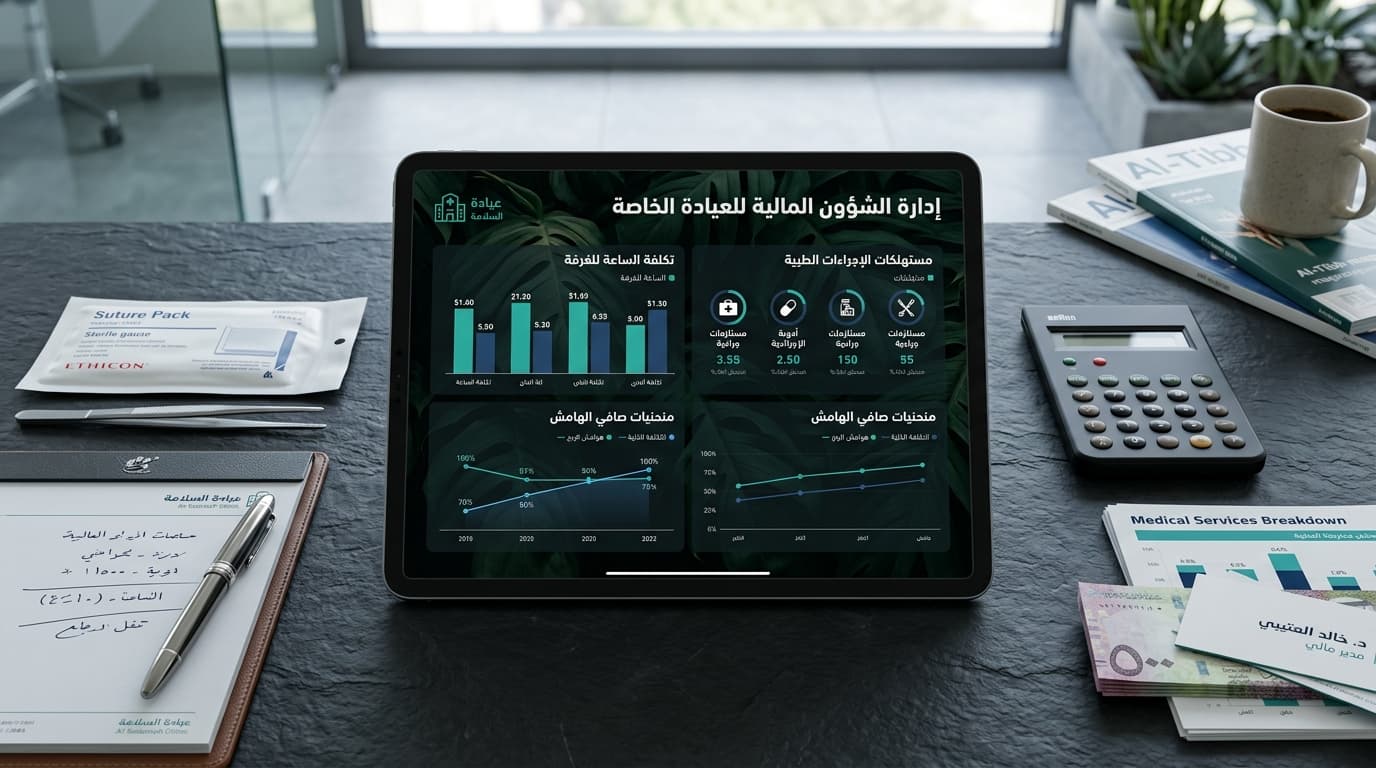
دليل تسعير الخدمات والإجراءات الطبية في العيادات الخاصة: كيف تحسب التكلفة الفعلية ومضاعفة الأرباح؟
دليل علمي وعملي للأطباء وأصحاب العيادات لتسعير الكشف والعمليات: حساب تكلفة ساعة تشغيل الغرفة، استهلاك المواد، وإهلاك الأجهزة لتفادي الخسائر ومضاعفة الأرباح.
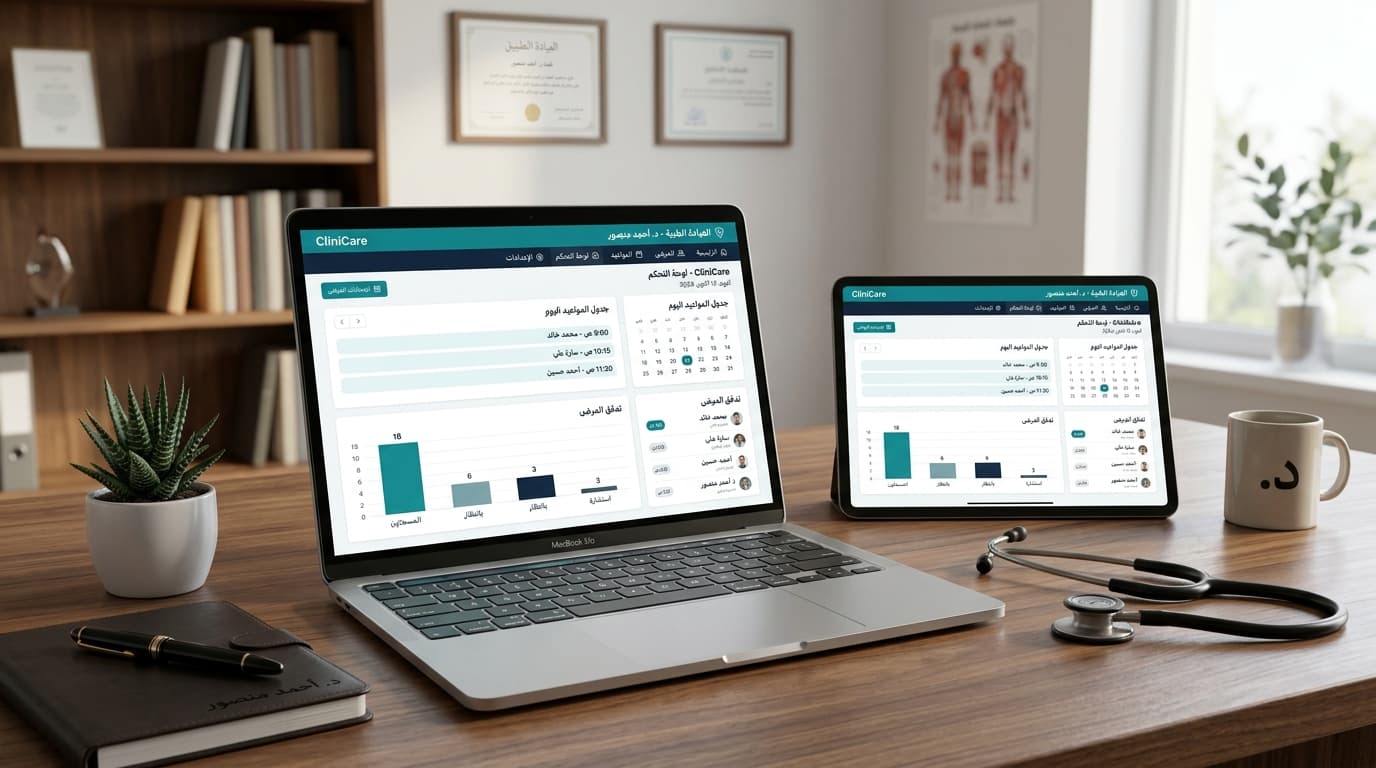
دليل اختيار أفضل برنامج إدارة عيادات ومراكز طبية 2026: 7 معايير عملية وتجربة مجانية
دليل شامل وعملي للأطباء وأصحاب المراكز الطبية لاختيار أفضل برنامج إدارة عيادات: تنظيم المواعيد بالواتساب، السجل الطبي EMR، الفاتورة الإلكترونية، وتفادي الأخطاء المكلفة.
كيف تصمم خطة دايت احترافية لمريض السمنة في أقل من دقيقتين؟
دليل عملي لأخصائيي التغذية لتسريع كتابة وتخصيص جداول الدايت وحساب السعرات والماكروز تلقائياً باستخدام مكتبة الوجبات الجاهزة في طبيب+.


