In the evolving landscape of modern healthcare, managing chronic conditions presents a unique set of challenges for both patients and providers. The long-term nature of these diseases, requiring continuous monitoring, medication adherence, and lifestyle adjustments, often leads to gaps in care and suboptimal outcomes. This is where robust patient engagement chronic care strategies become not just beneficial, but absolutely essential. Moving beyond traditional, episodic interactions, healthcare providers must embrace innovative approaches to keep patients actively involved in their health journey. Automated touchpoints offer a powerful solution, enabling consistent, personalized communication and support that extends far beyond the clinic walls. For practices utilizing advanced platforms like Tabeeb Plus, integrating these automated strategies can significantly improve treatment compliance, enhance patient satisfaction, and ultimately drive better clinical results.
Table of Contents
- The Imperative of Patient Engagement in Chronic Care
- Leveraging Automated Touchpoints for Enhanced Engagement
- Strategies for Effective Remote Care Coordination
- Benefits of Automated Engagement for Patients and Practices
- Implementing TabeebPlus for Superior Chronic Care Management
- Frequently Asked Questions (FAQ)
The Imperative of Patient Engagement in Chronic Care
Chronic diseases, such as diabetes, hypertension, heart disease, and asthma, are a global health crisis, responsible for a significant portion of morbidity and mortality worldwide. Their management demands sustained effort from patients, encompassing regular medication intake, diet modifications, physical activity, and frequent check-ups. However, the reality often falls short of these demands, leading to poor adherence, disease progression, and increased healthcare costs. Effective patient engagement is the cornerstone of successful chronic disease management, empowering individuals with the knowledge, motivation, and tools to take an active role in their health.
Understanding Chronic Disease Burden and Engagement Gaps
The sheer volume of individuals living with chronic conditions places immense pressure on healthcare systems. Patients often face complex treatment regimens, a lack of comprehensive understanding of their condition, and barriers to consistent care, including geographical distance, time constraints, and financial limitations. Traditional healthcare models, characterized by brief, infrequent in-person consultations, are ill-equipped to address the continuous support and monitoring required for chronic conditions. This creates significant engagement gaps, where patients may feel isolated, overwhelmed, or disengaged from their treatment plan, leading to missed appointments, medication non-adherence, and preventable complications.
The human element of chronic care is also critical. Patients need to feel heard, understood, and supported. When they are not actively involved in decision-making or lack consistent communication channels, their motivation to adhere to complex treatment plans diminishes. This highlights the urgent need for a paradigm shift, moving towards proactive, continuous engagement models facilitated by modern technology, such as sophisticated chronic disease management software.
Why Traditional Engagement Falls Short
Reliance on manual methods for patient engagement in chronic care is often inefficient and prone to errors. Sending appointment reminders via phone calls, manually tracking medication adherence, or distributing educational materials in print form consumes valuable staff time and resources. These methods are also inherently limited in their reach and personalization. A busy clinic might struggle to follow up with hundreds of chronic patients individually, leading to many falling through the cracks.
- Resource Constraints: Clinic staff are often stretched thin, making it difficult to dedicate ample time to proactive patient outreach.
- Patient Forgetfulness: Even with the best intentions, patients can forget medication doses, follow-up appointments, or critical health instructions.
- Lack of Timeliness: Manual follow-ups are often reactive rather than proactive, meaning interventions occur after a problem has arisen, rather than preventing it.
- Inconsistent Messaging: Without standardized tools, the quality and consistency of patient communication can vary widely.
These shortcomings underscore the necessity for automated, scalable solutions that can maintain consistent, high-quality patient interactions without overwhelming clinic resources. By embracing digital tools, practices can bridge these engagement gaps effectively.
Leveraging Automated Touchpoints for Enhanced Engagement
Automated touchpoints are the digital backbone of modern patient engagement in chronic care. They allow healthcare providers to maintain regular, personalized contact with patients, delivering timely information, support, and reminders without requiring constant manual intervention. This continuous connection fosters a sense of partnership, encouraging patients to stay committed to their treatment plans and proactive about their health.
Automated Reminders and Notifications
One of the most immediate and impactful applications of automation is in delivering crucial reminders. For chronic disease patients, missing medication doses or follow-up appointments can have serious consequences. Automated systems can send personalized patient care reminders directly to patients' preferred devices, significantly improving adherence rates.
- Medication Reminders: Automated messages can prompt patients to take their medication at the correct time, improving adherence for complex regimens.
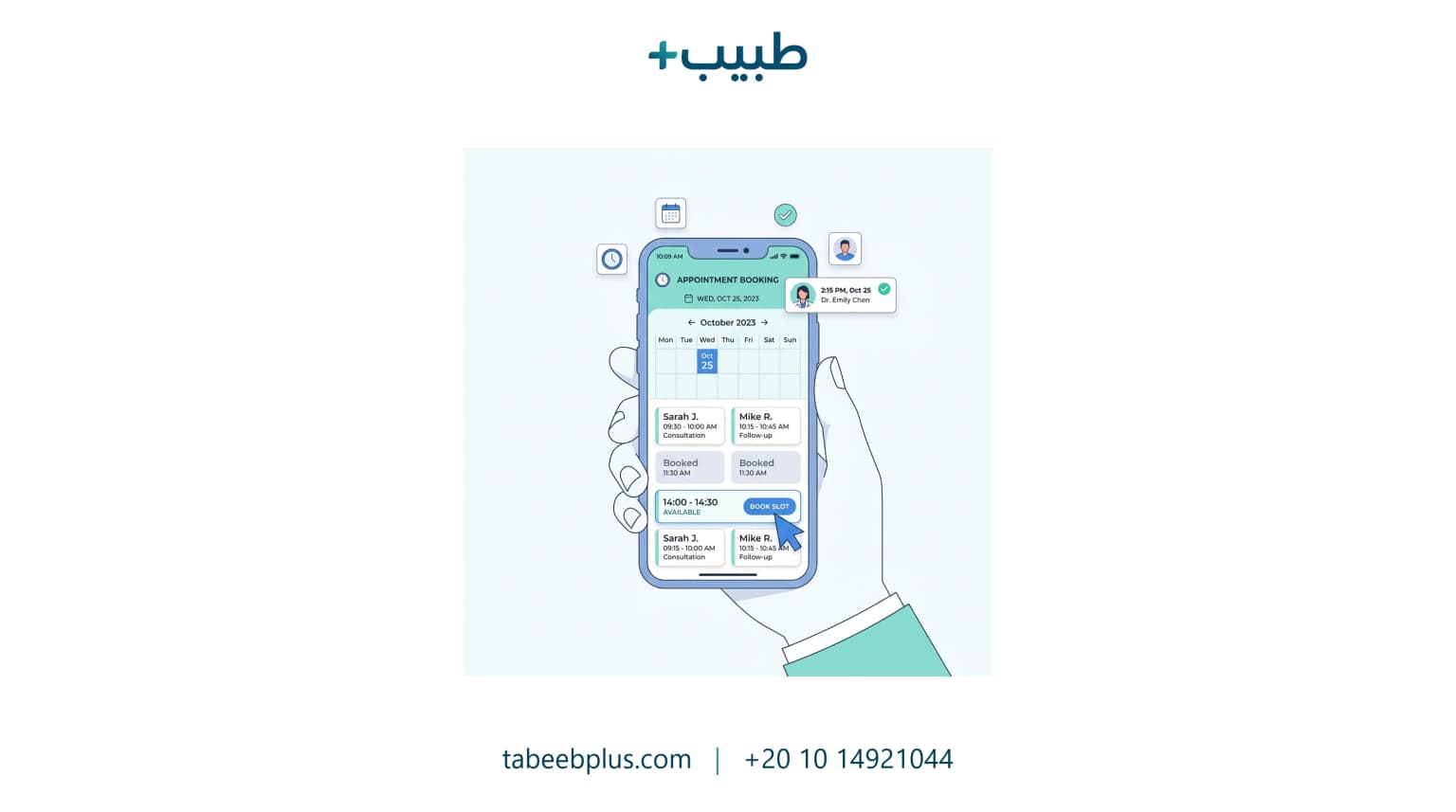
- Appointment Reminders: Reducing no-show rates is critical for continuity of care. Automated reminders for scheduled consultations or diagnostic tests can be sent via SMS, email, or integrated app notifications. Tabeeb Plus, for example, streamlines appointment scheduling and automated reminders, ensuring patients are well-informed.
- Preventive Care Alerts: Reminders for annual screenings, vaccinations, or specific disease management tests (e.g., HbA1c for diabetes) ensure patients remain compliant with preventive health guidelines.
These reminders can be tailored to individual patient needs and preferences, making them highly effective and non-intrusive.
Digital Wellness Check-ins and Surveys
Beyond simple reminders, automated systems can facilitate regular digital wellness check-ins. These can be short, automated surveys or questionnaires sent periodically to monitor symptoms, assess general well-being, or collect data on lifestyle factors. This proactive monitoring allows providers to detect potential issues early, intervene before complications arise, and adjust treatment plans as needed.
- Symptom Tracking: Patients can report on their symptoms (e.g., blood sugar levels, blood pressure readings, pain levels) directly through a secure portal or app.
- Quality of Life Assessments: Regular surveys can gauge a patient's emotional and physical well-being, providing a holistic view of their health status.
- Treatment Efficacy Monitoring: Automated feedback loops can help determine if a current treatment plan is effective or if modifications are necessary.
This continuous data collection provides valuable insights into a patient's journey between clinic visits, enabling more informed and personalized care.
Educational Content Delivery
Knowledge is power, especially for chronic disease patients. Automated platforms can deliver personalized educational content directly to patients, helping them better understand their condition, treatment options, and self-management strategies. This content can be tailored based on their specific diagnosis, stage of disease, and learning preferences.
- Disease-Specific Information: Articles, videos, or infographics explaining chronic conditions in an easy-to-understand format.
- Lifestyle Guidance: Tips on diet, exercise, stress management, and smoking cessation relevant to their condition.
- Medication Information: Details on drug mechanisms, potential side effects, and adherence tips.
By providing accessible and relevant information, patients are empowered to make informed decisions and actively participate in their self-care.
Secure Messaging and Communication Channels
Automated systems can also facilitate secure, asynchronous communication between patients and their care teams. While not fully automated, these channels are often integrated with automated workflows, allowing for efficient two-way communication. Platforms like Tabeeb Plus offer robust WhatsApp integrations and secure messaging portals, ensuring patient queries are addressed promptly and securely.
- Patient Portals: Secure platforms where patients can view their health records, request prescription refills, and send non-urgent messages to their providers.
- Automated Triage: Simple queries can be directed to automated chatbots or FAQs, freeing up staff for more complex issues.
- Broadcast Messages: Clinics can send important health alerts or updates to specific patient groups.
These channels reduce phone tag, improve response times, and enhance the overall patient experience by making communication convenient and accessible.
Strategies for Effective Remote Care Coordination
Effective remote care coordination is paramount for managing chronic diseases, ensuring that all aspects of a patient's care are integrated and seamless, even when interactions occur outside the traditional clinic setting. Automated systems play a pivotal role in connecting disparate elements of care, from data management to telehealth services.
Centralized Patient Data Management
At the heart of effective remote care coordination is a unified and accessible electronic medical record (EMR) system. A comprehensive EMR acts as a central repository for all patient health information, including diagnoses, treatment plans, medication history, lab results, and communication logs. This ensures that every member of the care team has access to the most up-to-date information, regardless of their location or specialty.
Platforms like Tabeeb Plus provide an integrated EMR system that consolidates patient data, making it easy for providers to track progress, review historical information, and make informed decisions. This centralization is crucial for chronic care, where long-term trends and detailed histories are vital for effective management. It also supports seamless information sharing between primary care physicians, specialists, and other allied health professionals involved in a patient's care.
Telehealth and Virtual Consultations
Telehealth has emerged as a game-changer for chronic disease management, offering flexibility and accessibility that traditional in-person visits often lack. Virtual consultations allow patients to connect with their providers from the comfort of their homes, reducing travel time, costs, and exposure to other illnesses. For chronic conditions that require frequent follow-ups, telehealth can significantly improve adherence and continuity of care.
Automated scheduling and reminder systems integrate seamlessly with telehealth platforms, ensuring patients are prepared for their virtual appointments. Post-consultation, automated summaries or follow-up instructions can be sent, reinforcing the care plan. This blend of automation and virtual interaction creates a highly efficient and patient-friendly care model.
Integrating Wearable Devices and Remote Monitoring
The rise of wearable technology and remote patient monitoring (RPM) devices offers an unprecedented opportunity to gather real-time health data from chronic disease patients. Devices such as smartwatches, continuous glucose monitors, blood pressure cuffs, and pulse oximeters can automatically transmit vital signs and other health metrics directly to the patient's EMR. This influx of data allows providers to monitor trends, identify deviations from baseline, and intervene proactively.
Automated alerts can be configured to notify care teams when a patient's readings fall outside predefined parameters, enabling timely interventions and preventing potential crises. This capability significantly enhances automated patient follow-ups, transforming them from periodic check-ins to continuous, data-driven surveillance. By integrating these technologies, healthcare providers can offer a truly proactive and personalized approach to chronic care.
Automated Patient Follow-ups and Care Pathways
Beyond simple reminders, automated systems can manage complex care pathways for chronic conditions. This involves setting up sequences of automated communications, educational content, and check-ins triggered by specific events or timelines. For example, a patient newly diagnosed with diabetes might receive a series of automated messages about diet, exercise, medication, and upcoming educational webinars over several weeks.
These automated patient follow-ups ensure that patients receive consistent support and information throughout their chronic disease journey. The system can adapt to patient responses, guiding them through different pathways based on their reported symptoms or compliance levels. This structured approach to follow-up reduces the burden on clinical staff while ensuring no patient is overlooked, providing a robust framework for continuous engagement.
Benefits of Automated Engagement for Patients and Practices
The shift towards automated patient engagement in chronic care offers a multitude of advantages, creating a win-win scenario for both patients and healthcare providers. These benefits extend from improved health outcomes to enhanced operational efficiencies and financial stability.
Improved Clinical Outcomes and Adherence
The primary goal of chronic disease management is to improve patient health and prevent complications. Automated engagement strategies directly contribute to this by fostering better adherence to treatment plans. When patients receive timely reminders, personalized education, and consistent support, they are more likely to take their medications as prescribed, follow dietary recommendations, and attend crucial appointments. This leads to:
- Reduced hospitalizations and emergency room visits for preventable complications.
- Better control of disease markers (e.g., lower HbA1c for diabetes, controlled blood pressure for hypertension).
- Slower progression of chronic conditions.
- Improved overall quality of life for patients.
The proactive nature of automated touchpoints ensures that potential issues are identified and addressed early, leading to more stable health trajectories for chronic patients.
Enhanced Patient Satisfaction and Experience
Patients appreciate convenience, personalization, and feeling supported. Automated engagement delivers on all these fronts, leading to a significantly improved patient experience. When patients receive relevant information and reminders without having to initiate contact, and when they can easily communicate with their care team through secure digital channels, their satisfaction with their healthcare provider increases.
- Convenience: Access to information and communication tools at their fingertips.
- Personalization: Receiving content and reminders tailored to their specific needs.
- Empowerment: Feeling more in control and informed about their health.
- Reduced Stress: Fewer missed appointments and clearer understanding of their care plan.
This enhanced satisfaction can also lead to greater patient loyalty and positive word-of-mouth referrals for the practice.
Operational Efficiency and Cost Savings
For healthcare practices, implementing automated engagement tools translates into significant operational efficiencies and cost savings. By automating routine tasks, staff can redirect their efforts towards more complex patient needs and higher-value activities.
- Reduced Administrative Burden: Less time spent on manual phone calls for reminders, follow-ups, and answering routine questions.
- Optimized Staff Time: Clinical staff can focus on direct patient care rather than administrative tasks.
- Lower No-Show Rates: Automated appointment reminders reduce missed appointments, optimizing clinic schedules and revenue.
- Improved Resource Allocation: Data from automated check-ins can help prioritize patients who need immediate attention, ensuring resources are used effectively.
- Streamlined Billing: With fewer missed appointments and better adherence, the revenue cycle can improve. Tabeeb Plus's comprehensive billing features integrate seamlessly, further enhancing financial efficiency.
Comparison: Manual vs. Automated Patient Engagement in Chronic Care
To further illustrate the advantages, consider this comparison:
| Feature | Manual Engagement | Automated Engagement (e.g., Tabeeb Plus) |
|---|---|---|
| Appointment Reminders | Phone calls, postcards (time-consuming, high no-show risk) | SMS, email, app notifications (efficient, lower no-show rates) |
| Medication Adherence | Verbal instructions, occasional manual follow-ups (inconsistent) | Personalized reminders, educational content (consistent, data-driven) |
| Symptom Monitoring | Patient self-reporting during visits (reactive, infrequent) | Digital wellness check-ins, RPM device integration (proactive, continuous) |
| Educational Content | Printed handouts (generic, easily lost) | Personalized digital content, videos, articles (targeted, accessible) |
| Communication Channels | Phone calls, in-person (limited availability) | Secure messaging, patient portals, WhatsApp integration (24/7 access, asynchronous) |
| Staff Workload | High administrative burden, repetitive tasks | Reduced administrative tasks, staff focus on complex care |
| Scalability | Limited by staff capacity | Highly scalable, consistent quality across large patient populations |
| Data Collection | Fragmented, often anecdotal | Structured, real-time, comprehensive (integrated with EMR) |
The contrast clearly demonstrates that automated systems provide a superior, more sustainable model for chronic patient engagement.
Implementing TabeebPlus for Superior Chronic Care Management
Adopting a comprehensive, integrated platform is crucial for successfully implementing automated patient engagement strategies. Tabeeb Plus is designed specifically to meet these needs, offering a robust suite of tools that empower healthcare providers to deliver exceptional chronic care.
Comprehensive Chronic Disease Management Software Features
Tabeeb Plus isn't just a scheduling tool; it's a holistic chronic disease management software solution. Its features are built to support every facet of patient engagement and care coordination:
- Integrated EMR: A centralized EMR ensures all patient data, from medical history to lab results and communication logs, is readily accessible and updated in real-time. This is indispensable for tracking the long-term progression of chronic diseases and tailoring care plans.
- Automated Reminders: Customizable appointment, medication, and follow-up reminders can be set up to send via SMS, email, or in-app notifications, significantly boosting adherence.
- Secure Communication: With features like WhatsApp integrations and a patient portal, Tabeeb Plus facilitates secure, direct communication between patients and their care teams, making it easy for patients to ask questions and receive support.
- Telehealth Capabilities: Seamless integration with virtual consultation tools allows for flexible follow-ups and remote monitoring, crucial for patients with mobility issues or geographical barriers.
- Patient Education Library: Providers can leverage or upload educational resources within the platform, delivering personalized content to patients to enhance their understanding and self-management skills.
- Analytics and Reporting: Tabeeb Plus offers powerful analytics to track engagement metrics, treatment adherence, and clinical outcomes, allowing practices to continuously refine their strategies.
These features combine to create a powerful ecosystem for managing chronic diseases effectively and efficiently.
Seamless Integration and User Experience
A key differentiator for Tabeeb Plus is its focus on a seamless user experience for both healthcare providers and patients. The platform is intuitive, reducing the learning curve for staff and encouraging patient adoption. Integrations with existing workflows and systems ensure a smooth transition, minimizing disruption to daily operations.
For patients, the user-friendly interface means they can easily access their health information, communicate with their providers, and manage their appointments and medications without technical hurdles. This ease of use is critical for sustaining engagement, particularly among diverse patient populations who may have varying levels of technological comfort.
Customizable Workflows for Diverse Needs
Every practice and every patient population is unique. Tabeeb Plus understands this, offering highly customizable workflows that can be tailored to specific chronic conditions, patient demographics, and practice preferences. Whether it's setting up a specific sequence of automated patient follow-ups for diabetic patients or designing a unique digital wellness check-in for heart disease patients, the platform provides the flexibility needed to create truly personalized engagement strategies.
This adaptability ensures that the automated touchpoints are always relevant and effective, maximizing their impact on patient outcomes and practice efficiency. By empowering practices to design their own engagement journeys, Tabeeb Plus helps them deliver care that is truly patient-centered and outcome-driven.
Frequently Asked Questions (FAQ)
Q1: What is patient engagement in chronic care?
Patient engagement in chronic care refers to the active involvement of individuals in managing their long-term health conditions. It encompasses understanding their diagnosis, adhering to treatment plans, making lifestyle changes, and participating in shared decision-making with their healthcare providers. Effective engagement is crucial for preventing complications, improving adherence, and enhancing overall quality of life for chronic disease patients.
Q2: How do automated touchpoints improve chronic disease management?
Automated touchpoints improve chronic disease management by providing consistent, timely, and personalized support to patients. They facilitate automated medication and appointment reminders, deliver educational content, enable digital wellness check-ins, and streamline secure communication. This continuous engagement helps patients stay compliant with their treatment plans, understand their condition better, and feel more connected to their care team, leading to better clinical outcomes and reduced healthcare costs.
Q3: Is patient data secure with automated engagement platforms like Tabeeb Plus?
Yes, patient data security is a top priority for professional healthcare IT platforms like Tabeeb Plus. Such platforms are designed to comply with stringent healthcare data privacy regulations (e.g., HIPAA in the US, GDPR in Europe, and local health data protection laws). They utilize advanced encryption, secure servers, access controls, and regular security audits to protect sensitive patient information. Always verify that any platform you choose adheres to relevant industry standards and certifications.
Q4: Can automated systems replace human interaction in chronic care?
No, automated systems are designed to supplement and enhance human interaction, not replace it. While automation can handle routine tasks, deliver information, and provide consistent reminders, the empathetic, nuanced, and individualized care provided by human healthcare professionals remains irreplaceable. Automated touchpoints free up clinicians' time, allowing them to focus on complex cases, provide emotional support, and build stronger patient relationships, thereby making human interaction more meaningful and effective.
Q5: What types of chronic conditions benefit most from automated patient engagement?
Virtually all chronic conditions can benefit from automated patient engagement. Conditions requiring strict medication adherence (e.g., hypertension, diabetes, asthma), frequent monitoring (e.g., heart failure, COPD), or significant lifestyle modifications (e.g., obesity, pre-diabetes) show particular improvement. The continuous support, education, and reminders provided by automated systems are universally beneficial for long-term disease management.
Q6: How does Tabeeb Plus specifically support remote care coordination?
Tabeeb Plus supports remote care coordination through its integrated EMR, which centralizes all patient data for easy access by the care team. It facilitates telehealth consultations, provides secure messaging and WhatsApp integrations for patient-provider communication, and supports customizable automated follow-up pathways. The platform also enables data aggregation from various sources, laying the groundwork for integration with remote patient monitoring devices, ensuring comprehensive and continuous care beyond clinic walls.
Q7: What are the initial steps for a practice to implement automated patient engagement?
The initial steps involve assessing current patient engagement gaps, identifying key chronic conditions to target, and choosing a suitable chronic disease management software like Tabeeb Plus. Practices should then define specific engagement goals (e.g., improve medication adherence by X%), customize automated workflows, train staff on the new system, and educate patients on how to use the new communication channels and tools. Starting with a pilot program for a specific patient group can help refine the strategy before a broader rollout.
The journey of managing chronic diseases is a marathon, not a sprint. For healthcare providers, sustaining patient engagement throughout this journey is paramount to achieving positive health outcomes. Automated touchpoints, far from dehumanizing care, elevate it by providing consistent support, timely information, and empowering tools that extend the reach of the clinic. Platforms like Tabeeb Plus are at the forefront of this transformation, offering integrated solutions that streamline operations, enhance patient satisfaction, and ultimately foster a healthier, more engaged patient population. By embracing these innovative strategies, practices can move towards a future where chronic disease management is proactive, personalized, and profoundly effective.
Discover how Tabeeb Plus can revolutionize your chronic care management and patient engagement strategies. Improve adherence, streamline operations, and deliver superior patient experiences.