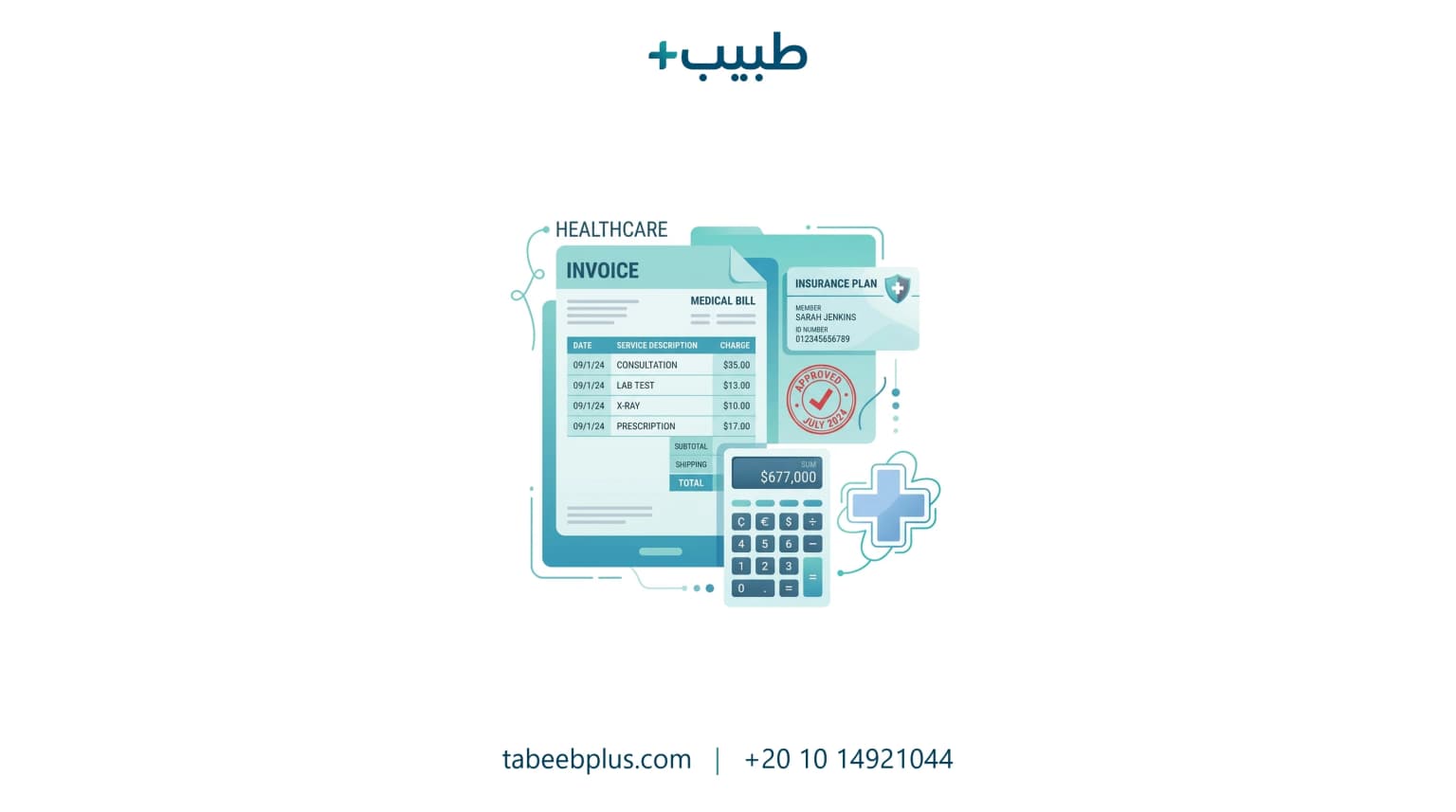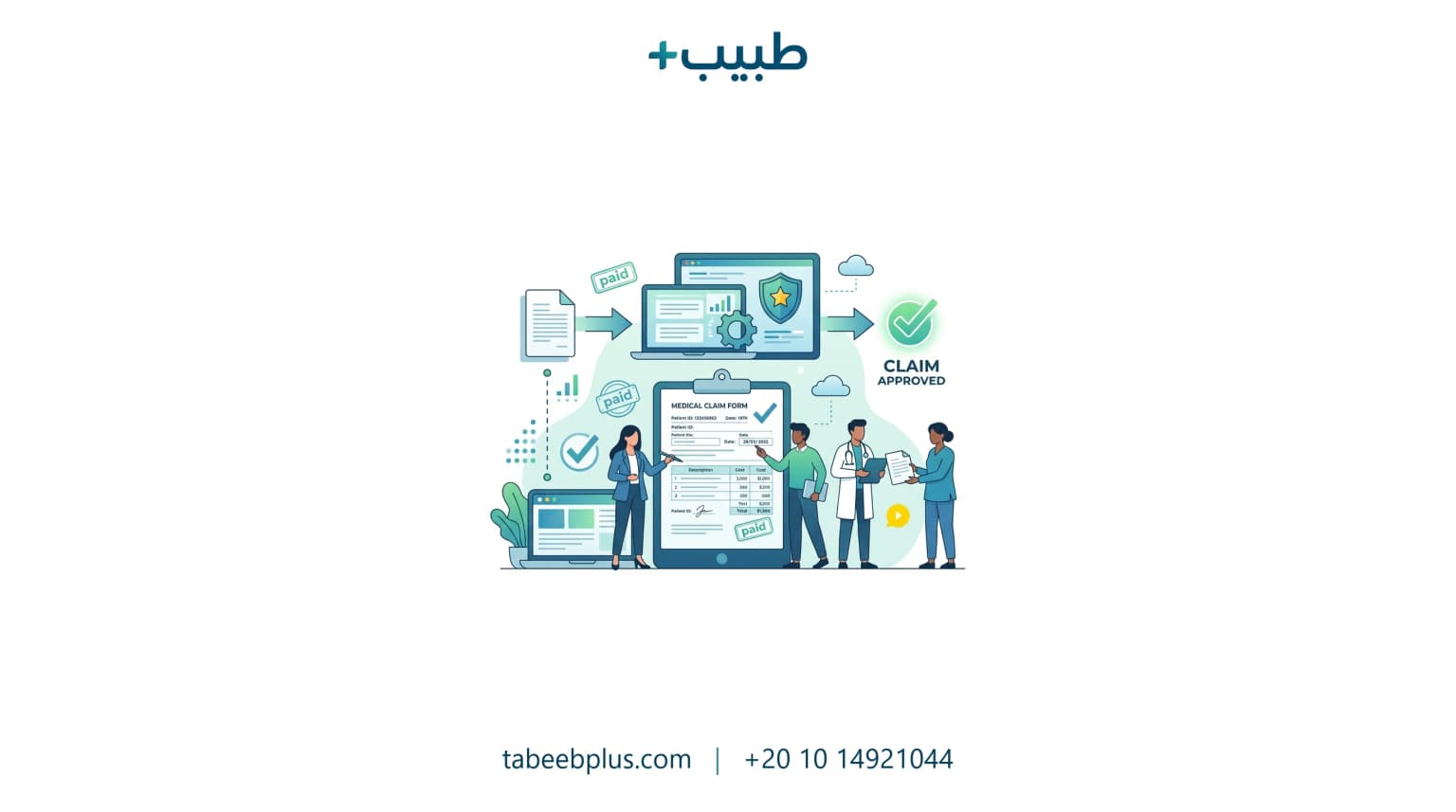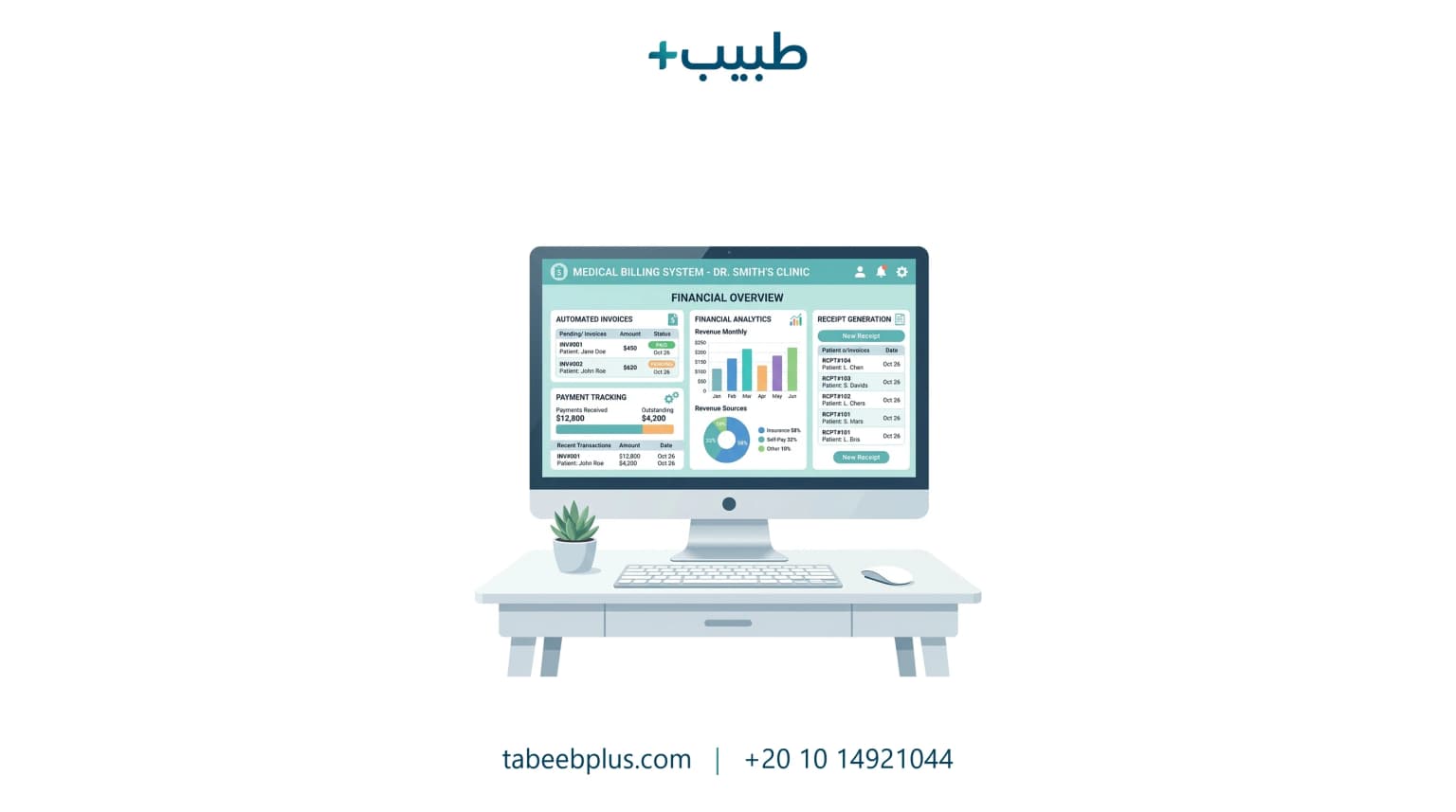
In the dynamic landscape of modern healthcare, efficient financial management is as critical to a clinic's sustainability as the quality of care it provides. One of the most significant yet often overlooked areas impacting a practice's financial health is effective patient copay collection and deductible management at the point of service. Uncollected patient balances, particularly copays and deductibles, represent a substantial drain on revenue, leading to increased administrative burden, delayed cash flow, and ultimately, reduced profitability. Practices that master the art of upfront collections not only secure their financial future but also foster greater transparency and trust with their patients. This comprehensive guide delves into actionable strategies and technological solutions, including how TabeebPlus can revolutionize your collection processes, ensuring your clinic operates with optimal financial efficiency and minimizes bad debt.
Table of Contents
- The Critical Role of Upfront Collections in Clinic Financial Health
- Understanding Copays and Deductibles: A Foundation for Effective Collection
- Best Practices for Optimizing Front-Desk Patient Copay and Deductible Collection
- Leveraging Technology for Superior Collection Outcomes: The TabeebPlus Advantage
- Training Your Team for Collection Success: Empowering Your Front Desk
- Frequently Asked Questions (FAQ)
The Critical Role of Upfront Collections in Clinic Financial Health
The financial stability of any medical practice hinges significantly on its ability to collect patient balances efficiently. For many clinics, patient copays and deductibles constitute a substantial portion of their expected revenue. When these amounts are not collected at the time of service, they often become outstanding accounts receivable, which are notoriously difficult and costly to recover later. Studies consistently show that the likelihood of collecting a patient balance decreases dramatically the longer it remains unpaid. After 30 days, the collection rate can drop to 70-80%, and after 90 days, it might plummet to as low as 50%. This decline highlights why effective patient copay collection at the front desk is not merely a convenience but a financial imperative.
The impact of uncollected copays and deductibles extends beyond just lost revenue. It inflates administrative costs associated with sending statements, making collection calls, and potentially engaging third-party collection agencies. These efforts divert valuable staff time and resources away from patient care and other critical administrative tasks. Furthermore, a high volume of uncollected patient debt can negatively affect a clinic's cash flow, making it challenging to cover operational expenses, invest in new equipment, or expand services. A robust strategy for upfront collections minimizes bad debt, improves the clinic's overall revenue cycle management, and ensures a healthier financial outlook. By proactively addressing patient financial responsibility, practices can foster a more predictable and stable income stream, crucial for long-term growth and sustainability.
Understanding Copays and Deductibles: A Foundation for Effective Collection
Before any collection efforts can be truly effective, both clinic staff and patients must have a clear understanding of what copays and deductibles represent. These terms are fundamental components of most health insurance plans, defining the patient's out-of-pocket financial responsibility.
- Copay (Copayment): A fixed amount a patient pays for a covered healthcare service at the time of service. For example, a patient might have a $25 copay for an office visit, regardless of the total cost of the visit. Copays typically do not count towards the deductible but are a consistent out-of-pocket expense for specific services.
- Deductible: The amount a patient must pay out-of-pocket for covered healthcare services before their insurance plan starts to pay. For example, if a patient has a $1,000 deductible, they must pay the first $1,000 of their medical expenses for the year before their insurance begins to cover costs. Once the deductible is met, the insurance plan typically pays a percentage of subsequent costs, with the patient paying the remaining percentage (coinsurance).
The distinction between these two is critical for accurate patient deductible collection. While copays are usually straightforward and fixed, deductibles often require a more nuanced approach, as the amount owed by the patient can vary based on how much of their deductible has already been met for the year. This is where the process of Verification of Benefits (VOB) becomes indispensable. Prior to a patient's appointment, the front desk or billing team must contact the patient's insurance provider to verify their coverage details, including their current deductible status, copay amount, and any coinsurance responsibilities. This pre-service estimate of patient responsibility allows the clinic to inform the patient accurately and collect the appropriate amount at the time of service, significantly reducing later billing complexities and potential non-payment.
Communicating these financial responsibilities clearly and empathetically to patients is paramount. Many patients find insurance terminology confusing, and a lack of understanding can lead to frustration and resistance when asked for payment. Clinic staff should be equipped to explain these concepts in simple terms, providing clarity and fostering a sense of partnership in managing healthcare costs.
Best Practices for Optimizing Front-Desk Patient Copay and Deductible Collection
Optimizing collections is a multi-faceted process that spans the entire patient journey, from scheduling to post-visit follow-up. Implementing a strategic approach ensures that your clinic front desk billing processes are robust and patient-friendly.
Pre-Arrival Strategies: Setting the Stage for Success
The most effective collection strategies begin long before the patient steps into the clinic. Proactive communication and preparation can significantly increase collection rates.
- Comprehensive Patient Registration: Ensure all patient demographic and insurance information is collected accurately during scheduling or pre-registration. This includes the primary subscriber's details, policy numbers, and group numbers.
- Verification of Benefits (VOB): This is arguably the most critical step for successful patient deductible collection. Before each appointment, verify the patient's insurance eligibility, current deductible status, copay amount, and any coinsurance. TabeebPlus, with its integrated medical billing workflow features, can automate much of this process, providing real-time eligibility checks.
- Pre-Appointment Patient Education: Inform patients about their financial responsibility well in advance. This can be done via email, SMS, or during the appointment confirmation call. Clearly state the estimated copay or deductible amount due at the time of service. This transparency builds trust and prepares the patient.
- Online Pre-Payment Options: Offer patients the convenience of paying their estimated balance online before their appointment through a secure patient portal. This reduces friction at the front desk and streamlines the check-in process.
- Automated Reminders: Utilize automated appointment reminders that include a gentle reminder about the expected payment. TabeebPlus's WhatsApp integrations and automated messaging features can facilitate this, ensuring patients are well-informed.
At the Front Desk: The Moment of Truth for Clinic Checkout Collections
The front desk is the primary point of contact for financial discussions. Staff must be well-trained, confident, and empathetic when discussing patient financial responsibility. These are essential copay collection best practices.
- Clear Communication and Scripting: Develop standardized scripts for front desk staff to use when discussing payments. This ensures consistency, professionalism, and compliance. For instance, instead of asking, "Are you ready to pay your copay?", a more direct and assumptive approach like, "Your copay today is $X. How would you like to take care of that?" is often more effective.
- Trained and Empowered Staff: Equip staff with the knowledge to explain insurance benefits simply and handle common patient questions or objections. They should understand when and how to offer payment plans or financial assistance options.
- Multiple Payment Options: Offer a variety of payment methods, including credit/debit cards, mobile payments, digital wallets, and cash. Ensure your payment processing systems are secure, efficient, and integrated with your practice management system. TabeebPlus's billing module supports various payment gateways.
- Presenting Estimates Clearly: For deductible amounts, present a clear, itemized estimate of the patient's responsibility based on the VOB. Have patients sign an acknowledgment of financial responsibility.
- Private Payment Discussions: Conduct financial discussions discreetly to respect patient privacy and comply with HIPAA guidelines. HIPAA Privacy Rules dictate how patient information, including financial details, must be handled.
- Payment Plans: For larger deductible amounts, offer structured payment plans. Clearly outline the terms, installment amounts, and due dates. This demonstrates flexibility and increases the likelihood of collection.
Post-Service Follow-Up: Ensuring No Balance is Left Behind
Even with robust upfront collection efforts, some balances will remain. Effective post-service follow-up is crucial for recovering these amounts.
- Prompt Billing: Send patient statements promptly after insurance claims have been processed and the patient's final responsibility is determined. Delays can lead to confusion and a decreased likelihood of payment.
- Clear and Concise Statements: Ensure patient statements are easy to understand, clearly itemizing services, insurance payments, and the patient's remaining balance.
- Automated Reminders and Online Portals: Utilize automated email or SMS reminders for outstanding balances. Direct patients to a secure online portal (part of TabeebPlus's patient engagement features) where they can view their balance and make payments conveniently.
- Follow-Up Calls: For persistent outstanding balances, conduct polite and professional follow-up calls. These calls can clarify misunderstandings, offer payment plan options, or discuss financial hardship.
- Consistent Policy Enforcement: Apply your collection policies consistently across all patients. While flexibility is important, a clear framework prevents confusion and ensures fairness.
Leveraging Technology for Superior Collection Outcomes: The TabeebPlus Advantage
In today's healthcare environment, technology is not just an advantage; it's a necessity for optimizing financial operations. An integrated practice management system (PMS) like TabeebPlus can transform your collection processes, making them more efficient, accurate, and patient-friendly.
Integrated Practice Management Systems: Streamlining Your Medical Billing Workflow
A comprehensive PMS is the backbone of an efficient medical billing workflow. TabeebPlus offers a suite of features designed to enhance every aspect of patient collections:
- Automated Eligibility Verification: TabeebPlus automates the verification of insurance eligibility and benefits in real-time or batch processes. This provides your front desk with accurate copay and deductible information before the patient even arrives, facilitating precise patient deductible collection.
- Digital Payment Processing: Seamlessly integrate payment gateways to accept credit cards, debit cards, and other digital payment methods directly within the system. This reduces manual errors and streamlines reconciliation. TabeebPlus's billing module ensures secure and efficient transactions.
- Patient Portals for Self-Service: Empower patients to manage their financial obligations through a secure online portal. They can view statements, make payments, set up payment plans, and update insurance information, improving the efficiency of clinic checkout collections.
- Customizable Reporting and Analytics: Gain insights into your collection performance with robust reporting tools. Identify trends, track outstanding balances, and evaluate the effectiveness of your strategies. This data-driven approach helps refine your copay collection best practices.
- Electronic Health Records (EMR) Integration: With TabeebPlus's EMR system, financial data is directly linked to patient records, providing a holistic view of each patient's clinical and financial history. This integration minimizes errors and ensures that all patient interactions are informed by the complete picture.
- Appointment Scheduling and Reminders: TabeebPlus's appointment scheduling features can be configured to include financial responsibility reminders, setting expectations early in the patient journey.
Patient Engagement Tools and Automation
Modern patient engagement tools, often integrated within a robust PMS, play a crucial role in improving collection rates:
- Automated Pre-Appointment Reminders: Send automated SMS or email reminders that include the estimated patient responsibility. TabeebPlus's WhatsApp integrations can be particularly effective for reaching patients in a familiar and convenient way.
- Digital Consent Forms: Incorporate financial responsibility agreements into digital intake forms, ensuring patients acknowledge their payment obligations before their visit.
- Online Payment Plans: Automate the management of payment plans, including recurring billing and automated reminders for installments. This reduces the administrative burden on your staff.
Manual vs. Automated Collection Processes: A Comparison
Understanding the stark differences between traditional manual collection methods and modern automated approaches highlights the benefits of adopting technology like TabeebPlus.
| Feature | Manual Collection Process | Automated Collection Process (e.g., TabeebPlus) |
|---|---|---|
| Eligibility Verification | Time-consuming phone calls, faxing; prone to human error; often done last minute. | Real-time electronic verification; highly accurate; integrated into workflow; identifies patient responsibility proactively. |
| Patient Communication | Manual phone calls, printed letters; inconsistent messaging; high staff time. | Automated SMS, email, patient portal messages, WhatsApp integrations; consistent, timely, personalized; low staff time. |
| Payment Processing | Manual entry into disparate systems; limited payment options; reconciliation challenges; higher risk of error. | Integrated payment gateways; multiple payment options (card, mobile, online portal); automated reconciliation; secure and compliant. |
| Financial Responsibility Discussion | Relies solely on front desk staff's communication skills; can be awkward or inconsistent. | Supported by pre-verified data, digital estimates, and patient education via portal; staff empowered with accurate info. |
| Payment Plans | Manual tracking and billing; high administrative burden; prone to missed payments. | Automated setup, recurring payments, and reminders; reduces administrative overhead; improves adherence. |
| Reporting & Analytics | Manual data compilation; limited insights; reactive problem-solving. | Real-time dashboards, customizable reports; proactive identification of issues and opportunities; data-driven decision making. |
| Bad Debt Rate | Higher, due to delayed collections and administrative inefficiencies. | Significantly lower, due to upfront collection emphasis and efficient follow-up. |
| Staff Efficiency | Lower, as staff spend significant time on administrative tasks. | Higher, as staff can focus on patient care and higher-value tasks. |
Training Your Team for Collection Success
Even the most sophisticated technology is only as effective as the people using it. Comprehensive training for your front desk and billing staff is paramount to optimizing patient copay collection and deductible collection. Your team members are the face of your practice, and their ability to confidently and empathetically discuss financial matters directly impacts collection rates and patient satisfaction.
Key areas for staff training include:
- Insurance Literacy: Staff must have a solid understanding of common insurance terminology, plan types (HMO, PPO, EPO), and how copays, deductibles, and coinsurance work. They should be able to explain these concepts clearly to patients without resorting to jargon. This knowledge empowers them to accurately verify benefits and communicate patient responsibility.
- Communication Skills: Training should focus on active listening, empathy, and assertive communication. Staff need to be able to explain financial obligations clearly, answer questions patiently, and address concerns respectfully. Role-playing scenarios can be highly effective for practicing difficult conversations and building confidence.
- De-escalation Techniques: Patients can sometimes become frustrated or emotional when discussing finances. Staff should be trained on de-escalation techniques to handle these situations professionally, turning a potentially negative interaction into a positive one. This includes maintaining a calm demeanor, validating patient feelings, and offering solutions.
- Policy and Procedure Adherence: Ensure all staff are thoroughly familiar with your clinic's financial policies, including payment plan options, financial hardship protocols, and collection timelines. Consistency in applying these policies is crucial for fairness and compliance. Regular refreshers are important to keep staff updated on any changes.
- Technology Proficiency: Provide hands-on training for all relevant software, including your TabeebPlus system. Staff should be proficient in performing eligibility checks, processing payments, accessing patient financial histories, and utilizing automated communication tools. Understanding the technology helps streamline the clinic front desk billing process and reduces errors.
- Ethical Considerations: Emphasize the importance of patient privacy and adherence to regulations like HIPAA during financial discussions. Staff should understand the legal and ethical boundaries of collecting payments.
Ongoing training and support, including regular meetings to discuss challenges and share best practices, will foster a culture of continuous improvement in your collection efforts. Empowering your team with knowledge and tools creates a more confident and effective front-line defense against uncollected patient balances.
Frequently Asked Questions (FAQ)
Why is upfront patient copay collection so important for my clinic?
Upfront patient copay collection is crucial because it significantly reduces administrative costs associated with billing and follow-up, minimizes bad debt, and improves your clinic's immediate cash flow. The longer a balance remains unpaid, the harder and more expensive it becomes to collect. Proactive collection ensures financial stability and allows resources to be focused on patient care.
What's the difference between a copay and a deductible, and why does my staff need to know?
A copay is a fixed amount paid at the time of service for specific services, while a deductible is the total amount a patient must pay out-of-pocket before insurance begins to cover costs. Your staff needs to understand this distinction to accurately verify benefits, inform patients of their correct financial responsibility, and ensure proper patient deductible collection. Misinformation can lead to patient frustration and uncollected balances.
How can TabeebPlus help improve our clinic's collection rates?
TabeebPlus streamlines your medical billing workflow by offering automated eligibility verification, real-time copay and deductible calculations, integrated secure payment processing, and patient portals for online payments. Its automated communication features, including WhatsApp integrations, help send reminders and estimates, making the collection process more efficient and patient-friendly. The robust billing module also provides detailed reporting to track performance.
What are some copay collection best practices for the front desk?
Key best practices include verifying insurance benefits before the appointment, clearly communicating financial responsibility to patients, offering multiple convenient payment options, training staff on empathetic yet assertive communication, and providing structured payment plans for larger balances. Utilizing automated reminders and patient portals also greatly enhances the process.
How should my staff handle patients who are resistant to paying at the time of service?
Staff should be trained to remain empathetic and professional. They should reiterate the clinic's policy, explain the patient's insurance benefits clearly (based on prior verification), and offer solutions such as setting up a payment plan or providing information on financial assistance if applicable. Avoid confrontation and focus on finding a mutually agreeable solution. Transparency and pre-communication often prevent resistance.
Is it legal to ask for payment upfront?
Yes, it is legal and a standard practice for healthcare providers to request payment for known patient responsibilities, such as copays and deductibles, at the time of service. This practice is typically outlined in a financial policy that patients acknowledge during registration. It's important to ensure privacy during financial discussions, adhering to guidelines such as those from the World Health Organization which emphasize patient-centered care and clear communication.
How does technology like TabeebPlus impact clinic checkout collections specifically?
TabeebPlus enhances clinic checkout collections by ensuring that the front desk has accurate, real-time information on patient responsibility, allowing for precise collection. Integrated payment processing makes transactions swift and secure. Patient portals facilitate post-visit payments and payment plan management, while automated reminders reduce the need for manual follow-up, ultimately improving the overall efficiency and success of collections at checkout and beyond.
Optimizing patient copay collection and deductible processes is more than a financial exercise; it's a commitment to operational excellence and patient transparency. By implementing robust pre-arrival strategies, empowering your front-desk team with the right training and tools, and leveraging advanced technology, your clinic can significantly reduce bad debt, improve cash flow, and enhance the overall patient experience. The transition from manual, reactive collection methods to a proactive, automated approach is not just beneficial—it's essential for sustainable growth in today's competitive healthcare landscape.
Embrace the future of medical practice management with TabeebPlus. Our comprehensive, cloud-based platform is designed to streamline your entire revenue cycle, from appointments and EMR to advanced billing and patient engagement. Discover how TabeebPlus can transform your financial operations, free up your staff, and allow you to focus on what matters most: delivering exceptional patient care.