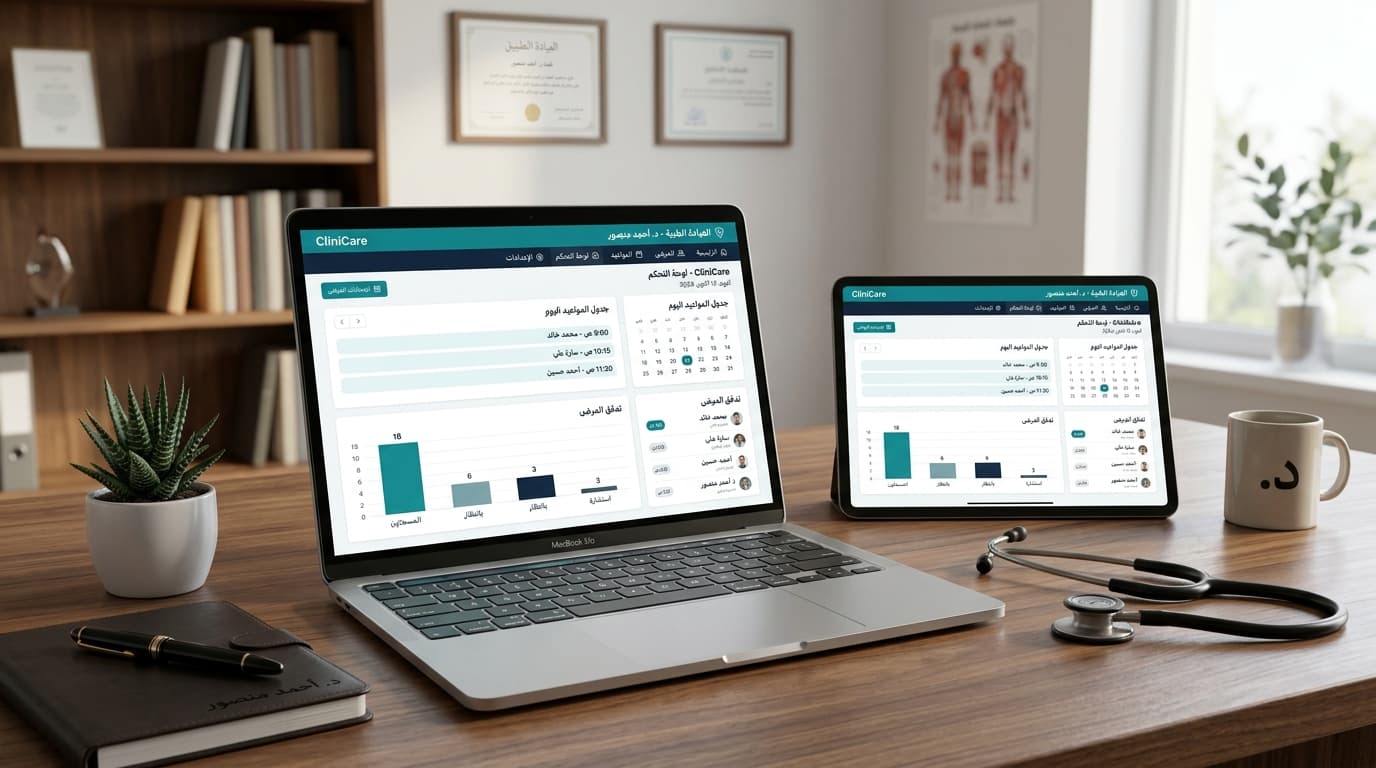
Clinic Software, Physiotherapy Scheduling, and Imaging Integration for Orthopedic Practices
In the dynamic landscape of modern healthcare, orthopedic practices face unique challenges that demand sophisticated solutions. Managing complex patient journeys, coordinating multi-disciplinary care, and integrating diverse diagnostic tools are daily realities. This is where advanced clinic management software becomes not just an asset, but a necessity. For orthopedic specialists, a robust system that seamlessly integrates patient scheduling, electronic medical records (EMR), and critical imaging data is paramount for delivering high-quality, efficient care. This comprehensive guide explores how a specialized platform can transform an orthopedic practice, focusing on the critical functionalities of physiotherapy scheduling and PACS imaging integration.
Orthopedic care often involves a continuum from initial diagnosis and treatment to rehabilitation. This necessitates a system capable of handling intricate appointment schedules, detailed clinical documentation, and immediate access to diagnostic images. The right orthopedic clinic software ensures that every step of this journey is optimized, enhancing both patient outcomes and operational efficiency. Let's delve into the core components that make such a system indispensable.
Table of Contents
- The Evolving Landscape of Orthopedic Practice Management
- Mastering Patient Flow and Physiotherapy Scheduling
- Seamless PACS Imaging Integration for Enhanced Diagnostics
- Advanced EMR for Orthopedic Specialists: Beyond Basic Charting
- Data-Driven Insights and Operational Efficiency
- Security, Compliance, and the Advantages of Cloud-Based Solutions
- Frequently Asked Questions (FAQ)
- Conclusion: Empowering Your Orthopedic Practice with TabeebPlus
The Evolving Landscape of Orthopedic Practice Management
Orthopedic practices operate at the intersection of acute care, chronic condition management, and rehabilitative services. The patient population often presents with complex musculoskeletal issues requiring a diverse set of diagnostic tests, procedures, and follow-up therapies. Traditional paper-based systems or fragmented digital tools simply cannot keep pace with the demands for precision, speed, and integrated care.
Consider the typical patient journey in an orthopedic clinic: initial consultation, diagnostic imaging (X-ray, MRI, CT), specialist review, potential surgical intervention, post-operative care, and often, an extended period of physical therapy. Each stage generates critical data that must be accessible, organized, and secure. A modern clinic management software is designed to unify these disparate elements into a cohesive workflow, ensuring that every member of the care team has real-time access to the information they need.
Why is specialized orthopedic clinic software essential today?
Specialized orthopedic clinic software is essential because it addresses the unique complexities of musculoskeletal care. Unlike general practice software, it offers tailored templates for joint-specific examinations, surgical notes, and rehabilitation plans. This specialization leads to more accurate documentation, improved diagnostic pathways, and ultimately, better patient outcomes. It streamlines administrative tasks, allowing clinicians to focus more on patient care and less on paperwork. Furthermore, the ability to integrate with specific orthopedic tools and imaging systems is a game-changer for efficiency and diagnostic precision.
The administrative burden in orthopedics is substantial, encompassing everything from appointment scheduling and insurance verification to billing and inventory management for supplies like braces or casts. A robust medical clinic management system automates many of these tasks, reducing human error and freeing up staff to engage more directly with patients. This shift not only improves the patient experience but also enhances the overall financial health of the practice by optimizing resource allocation and accelerating revenue cycles.
Mastering Patient Flow and Physiotherapy Scheduling
Efficient scheduling is the backbone of any successful medical practice, and in orthopedics, it carries particular weight due to the often-sequential nature of care. Patients may require follow-up appointments with the surgeon, subsequent sessions with a physiotherapist, or a series of diagnostic tests. Coordinating these appointments manually is prone to errors, leading to no-shows, delayed care, and frustrated patients.
Modern clinic management software provides sophisticated tools for physiotherapy scheduling that go far beyond a simple calendar. These systems allow for:
- Automated Reminders: Reducing no-show rates through SMS, email, or in-app notifications.
- Online Patient Portals: Empowering patients to book, reschedule, or cancel appointments independently, reducing administrative calls.
- Resource Management: Optimizing the utilization of treatment rooms, specialized equipment, and therapist availability across multiple locations or disciplines.
- Integrated Schedules: Seamlessly linking physician appointments with subsequent physiotherapy sessions, ensuring continuity of care and avoiding scheduling conflicts. For instance, a patient discharged after knee surgery can have their initial physiotherapy consultation automatically booked within the recommended timeframe.
- Multi-Practitioner Views: Providing a consolidated view of schedules for multiple orthopedic surgeons, physiotherapists, and other allied health professionals, facilitating team collaboration.
- Waitlist Management: Automatically offering open slots to patients on a waitlist, minimizing empty appointment times.
How does integrated physiotherapy scheduling benefit patients and staff?
Integrated physiotherapy scheduling significantly benefits both patients and staff. For patients, it means easier access to care, fewer missed appointments, and a more streamlined recovery journey. They can manage their appointments conveniently, reducing stress. For staff, it reduces the administrative burden of manual scheduling, minimizes phone calls for booking and rescheduling, and optimizes the utilization of clinic resources. This leads to increased efficiency, reduced operational costs, and improved staff satisfaction. The ability to view a patient's entire orthopedic and physiotherapy timeline in one place also enhances care coordination.
For practices that offer both orthopedic consultations and in-house physiotherapy, the integration is particularly powerful. It creates a unified patient record where physicians can directly refer patients to specific therapists, and therapists can access detailed notes from the orthopedic consultation, including surgical reports, imaging findings, and physician instructions. This level of integration supports a truly holistic approach to musculoskeletal rehabilitation.
You can manage all your appointment needs efficiently with TabeebPlus's intuitive appointment scheduling features.
Seamless PACS Imaging Integration for Enhanced Diagnostics
Diagnostic imaging is the cornerstone of orthopedic diagnosis and treatment planning. X-rays, MRIs, CT scans, and ultrasounds provide critical visual information about bones, joints, and soft tissues. Traditionally, these images were stored on separate Picture Archiving and Communication Systems (PACS) and often required separate logins or even physical CDs for viewing, leading to delays and potential errors.
Modern clinic management software with robust PACS imaging integration revolutionizes this process. It allows orthopedic specialists to access patient images directly from within the EMR, alongside clinical notes, medication lists, and treatment plans. This seamless integration means:
- Immediate Access: Physicians can review images instantly during a patient consultation, facilitating real-time discussions and shared decision-making.
- Reduced Errors: Eliminating the need to switch between multiple systems or manually upload images reduces the risk of associating the wrong image with the wrong patient.
- Improved Diagnostic Accuracy: Having all patient data – clinical history, physical exam findings, and diagnostic images – consolidated in one view provides a more comprehensive picture for the physician, leading to more accurate diagnoses and treatment plans.
- Enhanced Workflow: No more waiting for images to load from an external system or searching for physical films. The entire diagnostic process becomes more efficient.
- Secure Storage and Sharing: Images are stored securely within the integrated system, adhering to data protection regulations, and can be shared easily and securely with other specialists or for patient education.
- DICOM Compatibility: Ensuring the system is fully compliant with DICOM (Digital Imaging and Communications in Medicine) standards, the universal protocol for medical image handling, storage, printing, and transmission.
What are the key advantages of PACS imaging integration in an orthopedic setting?
The key advantages of PACS imaging integration in an orthopedic setting are manifold. It significantly speeds up diagnosis and treatment planning by providing immediate, consolidated access to all relevant imaging studies directly within the patient's EMR. This reduces the administrative burden of managing separate imaging systems, minimizes the risk of human error in image retrieval, and enhances collaborative care among orthopedic surgeons, radiologists, and physiotherapists. Ultimately, it leads to more informed clinical decisions and a superior patient experience, as discussions can be held with visual aids readily available.
For example, during a patient consultation for a knee injury, the orthopedic surgeon can pull up the patient's MRI scans, point out the meniscus tear, and explain the surgical procedure while simultaneously reviewing the patient's history and medication list – all within a single interface. This level of integration is not just a convenience; it's a critical tool for delivering precision orthopedic care.
Advanced EMR for Orthopedic Specialists: Beyond Basic Charting
While a general EMR can manage basic patient information, orthopedic practices require a system that delves into the specific nuances of musculoskeletal health. This is where specialized orthopedic EMR templates become invaluable, transforming the way clinical documentation is performed.
An advanced orthopedic EMR should offer:
- Condition-Specific Templates: Pre-built templates for common orthopedic conditions (e.g., rotator cuff tear, lumbar disc herniation, ACL injury, osteoarthritis of the hip/knee) that guide the physician through a comprehensive assessment, ensuring all relevant clinical data is captured.
- Anatomical Diagrams and Annotations: The ability to annotate directly on anatomical diagrams or patient images to mark pain points, injury locations, or surgical plans.
- Functional Outcome Measures: Integration of standardized orthopedic outcome scores (e.g., VAS pain scale, SF-36, Oxford Knee Score, DASH score for upper extremity) to track patient progress over time and demonstrate treatment efficacy.
- Surgical Planning and Post-Op Protocols: Modules for documenting surgical details, pre-operative clearances, and post-operative instructions and rehabilitation protocols, ensuring a smooth transition from surgery to recovery.
- Medication Management with Orthopedic Nuances: Prescribing modules that account for specific orthopedic medications, pain management strategies, and post-surgical prophylactic antibiotics.
- Referral Management: Streamlined processes for referring patients to other specialists (e.g., pain management, rheumatology) or for advanced diagnostic tests.
These specialized features elevate the EMR from a simple charting tool to a powerful clinical assistant. They improve documentation accuracy, reduce charting time, and provide a structured approach to managing complex orthopedic cases. The data captured through these templates can also be leveraged for research, quality improvement initiatives, and compliance reporting.
Comparison: Traditional EMR vs. Specialized Orthopedic EMR
| Feature | Traditional EMR | Specialized Orthopedic EMR (e.g., TabeebPlus) |
|---|---|---|
| Templates | General medical templates, often requiring extensive customization. | Pre-built, condition-specific orthopedic EMR templates (e.g., knee exam, shoulder injury, spine assessment). |
| Imaging Integration | Often limited to basic image uploads or external links; may require separate PACS login. | Deep PACS imaging integration, allowing direct viewing and annotation within the patient chart. |
| Scheduling | Basic appointment booking; limited resource management. | Advanced physiotherapy scheduling, resource allocation (rooms, equipment, therapists), automated reminders, online booking. |
| Clinical Workflows | Generic workflows; may not align with orthopedic specific pathways. | Tailored workflows for pre-op, intra-op, and post-op care; integrated rehabilitation protocols. |
| Outcome Tracking | Basic progress notes; manual tracking of specific scores. | Integrated orthopedic-specific outcome measures (e.g., VAS, DASH, KOOS) with graphical progress tracking. |
| Anatomical Charting | Limited or no interactive anatomical diagrams. | Interactive anatomical diagrams for marking injuries, surgical sites, and pain areas. |
| Reporting & Analytics | General practice reports. | Orthopedic-specific reports on surgical outcomes, patient recovery rates, procedure volumes, and referral patterns. |
For orthopedic practices in the Arab world, Egypt, Saudi Arabia, and the UAE, having an EMR that understands the local clinical practices while adhering to international standards is crucial. TabeebPlus is designed with this specificity in mind, offering a powerful medical clinic management solution.
Data-Driven Insights and Operational Efficiency
Beyond day-to-day operations, a sophisticated clinic management software provides invaluable data-driven insights that can significantly enhance a practice's strategic decision-making and overall operational efficiency. The ability to collect, analyze, and report on various aspects of practice performance is a powerful tool for growth and improvement.
Key areas where data analytics from orthopedic clinic software can make a profound impact include:
- Performance Metrics: Tracking key performance indicators (KPIs) such as patient volume, no-show rates, average visit duration, referral sources, and procedure success rates. This helps identify areas for improvement and opportunities for growth.
- Resource Optimization: Analyzing appointment trends and resource utilization (e.g., operating room time, physiotherapy equipment, staff allocation) to optimize schedules, reduce bottlenecks, and prevent burnout.
- Financial Reporting: Generating comprehensive reports on revenue cycles, outstanding balances, insurance claim statuses, and profitability by service line. This ensures financial health and compliance.
- Patient Outcome Analysis: Aggregating data from patient outcome measures (as discussed in the EMR section) to evaluate the effectiveness of different treatment protocols and demonstrate value-based care.
- Marketing and Outreach: Identifying patient demographics, common conditions, and referral patterns to tailor marketing efforts and strengthen relationships with referring physicians.
- Telemedicine Integration: Modern systems often include integrated telemedicine capabilities, allowing for remote consultations, follow-ups, and even virtual physiotherapy sessions, expanding access to care and improving patient convenience. This is particularly relevant in the current healthcare landscape, reducing travel time and enhancing continuity of care for patients who might be recovering at home.
Can orthopedic clinic software help improve practice profitability?
Absolutely. Orthopedic clinic software plays a pivotal role in improving practice profitability by streamlining operations, reducing administrative overhead, and optimizing revenue cycles. Features like automated billing, insurance claim processing, and detailed financial reporting minimize errors and accelerate payments. Efficient scheduling tools reduce no-shows and optimize resource utilization, ensuring that every appointment slot and staff hour is productive. By providing data on patient outcomes and procedure costs, the software also enables practices to make informed decisions about service offerings and pricing strategies, ultimately enhancing their financial performance and growth.
For example, a practice might discover through analytics that a particular type of physiotherapy treatment has a higher patient satisfaction rate and better clinical outcomes, leading them to promote that service more aggressively. Or, they might identify a bottleneck in their billing process that, once addressed, significantly reduces accounts receivable days. Such insights are impossible to gain without a robust, integrated data management system.
Security, Compliance, and the Advantages of Cloud-Based Solutions
In healthcare, data security and regulatory compliance are non-negotiable. Protecting sensitive patient health information (PHI) is paramount, and practices must adhere to stringent guidelines such as HIPAA in the US, GDPR in Europe, and increasingly robust data protection laws in countries like Saudi Arabia and the UAE. A reliable medical clinic management system must be built with these regulations at its core.
Key security and compliance features include:
- Data Encryption: Ensuring all data, both in transit and at rest, is encrypted to prevent unauthorized access.
- Access Controls: Role-based access permissions that limit what information staff members can view or modify based on their responsibilities.
- Audit Trails: Comprehensive logging of all system activities, providing an immutable record of who accessed what data and when.
- Regular Backups and Disaster Recovery: Ensuring patient data is regularly backed up and can be quickly restored in the event of a system failure or disaster.
- Compliance Certifications: Adherence to international and local data security standards and certifications.
The shift towards cloud-based clinic management software offers significant advantages in this regard:
- Accessibility: Healthcare providers can securely access patient data, schedules, and imaging from any location with an internet connection, whether in the clinic, at home, or on call. This flexibility is crucial for modern practice.
- Scalability: Cloud solutions easily scale with the growth of a practice, adding new users, locations, or features without significant IT infrastructure investments.
- Reduced IT Overhead: The vendor manages server maintenance, software updates, and security patches, freeing practices from the burden and cost of managing their own IT infrastructure.
- Enhanced Security: Reputable cloud providers invest heavily in enterprise-grade security measures, often surpassing what individual clinics can afford to implement on-premises.
- Automatic Updates: Cloud software is continuously updated with the latest features, security enhancements, and compliance adjustments, ensuring the practice always uses the most current version.
- Cost-Effectiveness: A subscription-based model often translates to lower upfront costs and predictable monthly expenses compared to large capital outlays for on-premise systems.
Is cloud-based medical clinic management secure for patient data?
Yes, cloud-based medical clinic management systems from reputable providers are highly secure for patient data, often more so than on-premise solutions. These providers invest in robust security infrastructure, including advanced encryption, multi-factor authentication, regular security audits, and adherence to international data protection standards like HIPAA, GDPR, and regional regulations. They employ dedicated security teams and maintain secure data centers with physical and digital safeguards, ensuring patient health information (PHI) is protected against unauthorized access, breaches, and data loss. It's crucial, however, to choose a vendor with a proven track record in healthcare data security.
For more information on data security best practices, you may refer to resources from the World Health Organization (WHO) on Data Protection.
Frequently Asked Questions (FAQ)
What is the primary benefit of integrating physiotherapy scheduling into orthopedic clinic software?
The primary benefit is the seamless coordination of patient care and optimized resource utilization. Integrated physiotherapy scheduling allows orthopedic physicians to directly refer patients for physical therapy within the same system, ensuring that rehabilitation begins promptly and according to the physician's specific instructions. It reduces administrative overhead, minimizes scheduling conflicts, and provides a consolidated view of the patient's entire treatment and recovery plan, leading to better patient outcomes and a more efficient clinic workflow. Patients also benefit from simplified booking and fewer missed appointments due to automated reminders.
How does PACS imaging integration improve diagnostic accuracy in orthopedics?
PACS imaging integration significantly improves diagnostic accuracy by providing orthopedic specialists with immediate, consolidated access to all relevant diagnostic images (X-rays, MRIs, CT scans) directly within the patient's electronic medical record. This eliminates the need to switch between separate systems or search for physical films. Physicians can view images alongside clinical notes, patient history, and physical exam findings in real-time during consultations, allowing for a more comprehensive understanding of the patient's condition. This integrated view facilitates more informed decision-making and reduces the risk of misdiagnosis or delayed treatment.
Are orthopedic EMR templates customizable, and why is this important?
Yes, orthopedic EMR templates are highly customizable, and this is crucial for several reasons. Customization allows practices to tailor templates to their specific workflows, preferred terminology, and unique clinical protocols for various musculoskeletal conditions (e.g., knee arthritis, shoulder impingement, spinal fracture). This ensures that all necessary data points are captured efficiently, improves documentation accuracy, and reduces the time spent on charting. Customization also allows for adherence to specific regional or national reporting requirements and helps maintain consistency across different practitioners within the same clinic, leading to more standardized and higher-quality care.
What security measures should I look for in cloud-based orthopedic clinic software?
When evaluating cloud-based orthopedic clinic software, look for robust security measures such as end-to-end data encryption (for data in transit and at rest), multi-factor authentication (MFA) for user login, granular access controls based on user roles, comprehensive audit trails, and regular data backups with disaster recovery plans. The vendor should also demonstrate compliance with relevant data protection regulations (e.g., HIPAA, GDPR, and local laws in the UAE, KSA, Egypt), undergo third-party security audits, and have a clear privacy policy. High-availability infrastructure and secure data centers are also key indicators of a trustworthy solution.
How can clinic management software help reduce patient no-shows for orthopedic appointments?
Clinic management software significantly reduces patient no-shows through several integrated features. These include automated appointment reminders sent via SMS, email, or in-app notifications at customizable intervals before the appointment. Online patient portals empower patients to easily confirm, reschedule, or cancel appointments, reducing the need for phone calls. Some systems also offer smart waitlist management, automatically filling canceled slots, ensuring higher utilization of appointment times. By providing convenience and timely reminders, the software improves patient adherence to their treatment schedules.
Is it challenging to migrate existing patient data to a new orthopedic clinic software system?
The challenge of migrating existing patient data depends on the source system and the capabilities of the new orthopedic clinic software vendor. Reputable vendors like TabeebPlus offer comprehensive data migration services, including tools and expert support to facilitate a smooth transition. While some manual data entry might be required for older, paper-based records, most modern systems support electronic data import from previous EMRs. It's crucial to discuss data migration strategies and timelines with your chosen vendor during the implementation phase to ensure data integrity and minimal disruption to clinic operations.
Beyond core functionalities, what advanced features should an orthopedic practice consider in clinic software?
Beyond core functionalities like EMR, scheduling, and imaging, advanced features to consider in orthopedic clinic software include integrated telemedicine capabilities for virtual consultations, advanced analytics and reporting tools for practice performance and outcome tracking, patient engagement portals for secure communication and educational resources, inventory management for orthopedic supplies (e.g., braces, casts), and robust integration with billing and accounting systems. Features like e-prescribing with drug interaction checks and allergy alerts are also critical for patient safety. These advanced features contribute to a more comprehensive and efficient practice.
Conclusion: Empowering Your Orthopedic Practice with TabeebPlus
The demands on modern orthopedic practices are continually evolving, requiring a strategic embrace of technology to maintain efficiency, enhance patient care, and ensure long-term sustainability. The integration of advanced clinic management software, specialized physiotherapy scheduling, and seamless PACS imaging integration is no longer a luxury but a fundamental requirement for delivering optimal musculoskeletal care.
By adopting a comprehensive solution, orthopedic clinics can transform their operations from fragmented and manual to integrated and automated. This shift empowers clinicians with immediate access to critical patient data, streamlines administrative workflows, minimizes errors, and ultimately allows more time for direct patient interaction and focused care. The strategic advantages extend to improved financial health, enhanced regulatory compliance, and the ability to leverage data for continuous quality improvement.
For orthopedic practices across the Arab world, Egypt, Saudi Arabia, and the UAE, TabeebPlus offers a cutting-edge, cloud-based practice management system meticulously designed to meet these unique challenges. With its intuitive interface, robust security, and specialized features tailored for orthopedic care, TabeebPlus is the ultimate partner in achieving operational excellence and elevating the standard of patient care.
Don't let outdated systems hinder your practice's potential. Embrace the future of orthopedic practice management.
Request Your Free TabeebPlus Demo Today