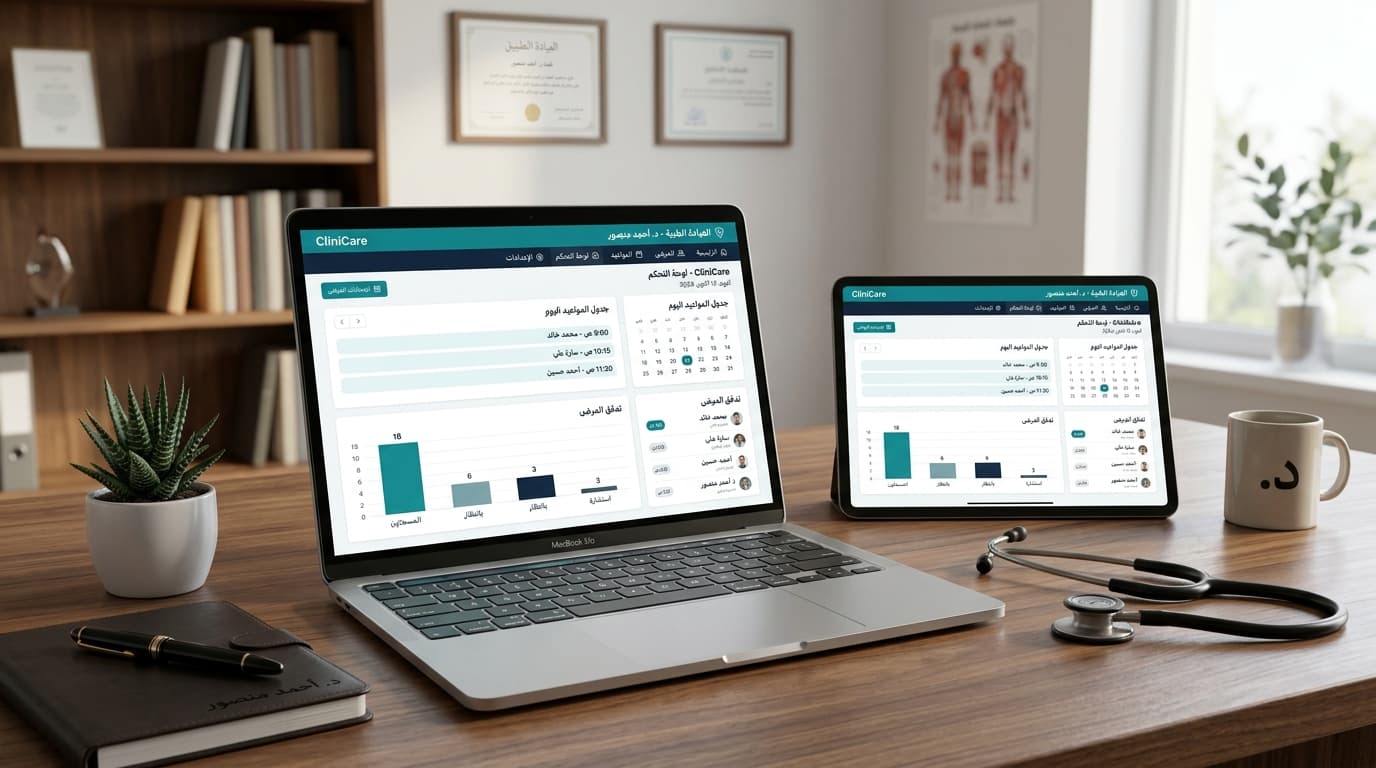
Optimizing the OB/GYN clinic workflow is not merely about improving efficiency; it is about enhancing patient care, reducing administrative burden, and ensuring the highest standards of clinical accuracy. In a specialty characterized by long-term patient relationships, sensitive health data, and critical time-sensitive decisions, an inefficient workflow can have significant repercussions. From managing complex prenatal care schedules to handling delicate gynecological consultations, the demands on OB/GYN practices are unique and multifaceted. This guide explores how modern digital solutions, particularly Electronic Medical Records (EMR) and specialized prenatal care management tools, can transform an OB/GYN practice, leading to better patient outcomes and a more streamlined operational environment.
Table of Contents
- The Unique Demands and Challenges of OB/GYN Practice
- Revolutionizing Prenatal Care with Digital Charts and Specialized Software
- Streamlining Obstetrics Practice Management Beyond Clinical Data
- Enhancing Patient Engagement and Experience Through Digital Tools
- Ensuring Data Security and Regulatory Compliance in Digital OB/GYN Workflows
- Frequently Asked Questions (FAQ)
The Unique Demands and Challenges of OB/GYN Practice
The field of Obstetrics and Gynecology presents a distinct set of operational and clinical challenges that necessitate robust workflow optimization strategies. Unlike many other specialties, OB/GYN clinics often manage patients across various life stages, from adolescence through reproductive years, pregnancy, and menopause. This breadth of care means managing diverse patient populations with varying needs, requiring flexible and comprehensive systems.
Complexity of Care Pathways
One of the primary challenges lies in the complexity of care pathways. Prenatal care, for instance, involves a series of scheduled visits, screenings, tests, and educational components spanning approximately 40 weeks. Each visit requires meticulous documentation of fetal growth, maternal health, vital signs, lab results, and risk assessments. Postnatal care, gynecological screenings (like Pap tests and mammograms), fertility treatments, and surgical procedures each have their own intricate protocols and follow-up schedules. Manually tracking these diverse pathways can be error-prone and consume significant staff time, diverting focus from direct patient interaction.
High Patient Volume and Time Sensitivity
OB/GYN practices typically experience high patient volumes, especially for routine prenatal visits and annual check-ups. The time-sensitive nature of many OB/GYN conditions, particularly during pregnancy, adds another layer of pressure. Delayed test results, missed appointments, or inefficient communication can have serious implications for maternal and fetal health. Efficient appointment scheduling, rapid access to patient records, and streamlined communication channels are paramount to managing this volume effectively while ensuring timely interventions.
Sensitive Patient Data and Confidentiality
The nature of OB/GYN care often involves highly sensitive and personal patient information, including reproductive health, sexual history, and genetic predispositions. Maintaining strict confidentiality and ensuring the security of this data is not just a regulatory requirement (like HIPAA in the US or GDPR in Europe) but a fundamental ethical obligation. Paper-based systems are inherently vulnerable to breaches, loss, and unauthorized access, making digital solutions a necessity for safeguarding patient privacy.
Interdisciplinary Coordination
OB/GYN care frequently requires coordination with other specialists, such as genetic counselors, neonatologists, radiologists, and primary care physicians. Sharing patient information securely and efficiently between different providers is crucial for comprehensive care. Traditional methods of faxing or mailing records are slow and can introduce delays, impacting patient care continuity.
Addressing these challenges effectively requires a strategic approach to workflow optimization, leveraging technology to enhance every aspect of the practice, from patient intake to post-treatment follow-up. The goal is to create an environment where clinical excellence is supported by operational efficiency, allowing healthcare providers to focus on what they do best: delivering exceptional patient care.
Revolutionizing Prenatal Care with Digital Charts and Specialized Software
The transition from paper charts to digital EMRs marks a pivotal shift in how OB/GYN clinics manage patient data, particularly in the realm of prenatal care. This evolution is not just about going paperless; it's about fundamentally transforming the way information is captured, accessed, analyzed, and utilized to improve clinical decision-making and patient outcomes.
The Imperative of Digital Pregnancy Records
Digital pregnancy records, a core component of advanced prenatal care software, offer a multitude of advantages over their paper counterparts. They centralize all patient information – demographics, medical history, current pregnancy details, lab results, imaging reports, and physician notes – into a single, easily accessible electronic file. This centralization eliminates the need to sift through multiple folders, reducing the risk of misplaced documents and ensuring that all relevant data is available at the point of care.
- Accessibility: Providers can securely access patient records from any authorized location, whether in the clinic, during rounds at the hospital, or even via secure telehealth platforms. This is particularly beneficial for managing emergencies or coordinating care remotely.
- Data Integrity and Accuracy: Digital systems minimize transcription errors common with manual data entry. Standardized templates and drop-down menus ensure consistent data capture, improving data quality and reliability.
- Enhanced Security: EMRs employ robust security features such as encryption, access controls, and audit trails, significantly reducing the risk of unauthorized access or data breaches compared to physical records.
- Reduced Administrative Burden: Automating data entry and retrieval frees up administrative staff from time-consuming tasks, allowing them to focus on more patient-centric activities.
Automated Gestational Age Calculation and Tracking
One of the most critical aspects of prenatal care is accurately determining and tracking gestational age. A manual `gestational age calculator EMR` is prone to human error and can be time-consuming. Modern EMR systems integrate sophisticated tools that automatically calculate gestational age based on the last menstrual period (LMP) or early ultrasound findings. This feature provides an instant, accurate reference point for all subsequent clinical decisions, from scheduling screenings to estimating delivery dates.
- Precision: Automated calculations reduce the margin of error, ensuring consistent gestational age estimates across all providers involved in the patient's care.
- Efficiency: Clinicians save valuable time that would otherwise be spent on manual calculations, allowing for more focused patient interaction.
- Dynamic Updates: As new information becomes available (e.g., a more accurate early ultrasound), the system can automatically update the estimated due date and gestational age, propagating these changes throughout the patient's record and future appointment schedules.
Comprehensive Routine Visit and Test Tracking
Prenatal care involves a meticulously planned schedule of routine visits, laboratory tests, and imaging studies. A dedicated prenatal care software within an EMR excels at managing this complex schedule:
- Automated Reminders: The system can generate automated reminders for upcoming appointments, overdue tests, and recommended screenings, ensuring no critical step is missed.
- Integrated Lab Results: Lab results can be directly integrated into the digital chart, eliminating manual entry and making results immediately available to providers. Abnormal results can trigger alerts, prompting timely review and action.
- Growth Charts and Trend Analysis: Digital charts allow for easy plotting of fetal growth parameters (e.g., fundal height, estimated fetal weight) and maternal vital signs over time. This visual representation helps identify trends, flag potential issues early, and facilitate proactive management.
- Risk Assessment Tools: Many systems include built-in risk assessment modules that can identify patients at higher risk for complications based on their medical history, genetic factors, or current pregnancy findings. This enables targeted interventions and personalized care plans.
The implementation of digital charts and specialized `prenatal care software` fundamentally transforms the `OB/GYN clinic workflow`, making it more efficient, accurate, and patient-centered. It empowers clinicians with real-time, comprehensive data, leading to more informed decisions and ultimately, healthier mothers and babies.
Comparison Table: Paper Charts vs. Digital EMR for Prenatal Care
| Feature/Aspect | Paper Charts | Digital EMR (e.g., Tabeeb Plus) |
|---|---|---|
| Accessibility | Limited to physical location, single user at a time. | Secure access from multiple locations/devices, multi-user access. |
| Data Security | Vulnerable to loss, damage, unauthorized physical access. | Encrypted, access controls, audit trails, secure backups. |
| Data Integrity/Accuracy | Prone to illegibility, transcription errors, missing data. | Standardized templates, error-checking, reduced manual entry. |
| Gestational Age Calculation | Manual calculation, prone to human error. | Automated, precise calculation, dynamic updates. |
| Tracking & Reminders | Manual tracking, prone to missed items, requires staff follow-up. | Automated reminders for appointments, tests, screenings. |
| Lab/Imaging Integration | Manual filing, potential for delays/loss. | Direct integration, real-time results, automated alerts. |
| Collaboration | Physical sharing, faxing, or mailing records. | Secure electronic sharing, shared access with permissions. |
| Storage & Archiving | Requires physical space, susceptible to wear and tear. | Cloud-based or server storage, long-term digital archiving. |
| Cost (Long-term) | Ongoing costs for paper, printing, storage, staff time for management. | Subscription/license fees, reduced operational costs, improved efficiency. |
| Environmental Impact | High paper consumption. | Reduced paper consumption. |
Streamlining Obstetrics Practice Management Beyond Clinical Data
Effective `obstetrics practice management` extends far beyond the clinical charting of patient data. It encompasses the entire administrative and operational backbone of the clinic, from the moment a patient schedules an appointment to the final billing cycle. Optimizing these administrative workflows is crucial for enhancing overall efficiency, reducing staff burnout, and improving the patient experience.
Automated Appointment Scheduling and Reminders
One of the biggest time sinks in any medical practice is manual appointment management. A robust practice management system integrates online scheduling capabilities, allowing patients to book, reschedule, or cancel appointments conveniently from home. This reduces call volume for front desk staff. Furthermore, automated reminders via SMS, email, or even WhatsApp integrations significantly reduce no-show rates, ensuring that valuable appointment slots are utilized effectively. Tabeeb Plus offers seamless appointment management features that streamline this process.
Efficient Billing and Insurance Management
Billing in OB/GYN can be complex, involving maternity global packages, multiple CPT codes for various procedures, and coordination with different insurance providers. An integrated billing system automates many of these processes, including:
- Claim Generation: Automatically generates claims based on services rendered and documented in the EMR.
- Eligibility Verification: Verifies patient insurance eligibility in real-time, reducing rejected claims.
- Payment Processing: Facilitates easy collection of co-pays and outstanding balances.
- Reporting: Provides detailed financial reports, offering insights into revenue cycles and areas for improvement.
This automation minimizes errors, speeds up reimbursement, and improves the clinic's financial health.
Secure Patient Portals for Communication and Information Sharing
Patient portals are indispensable tools for modern `obstetrics practice management`. They offer a secure channel for patients to:
- Access their health records and lab results.
- Communicate with their care team (e.g., ask non-urgent questions).
- Request prescription refills.
- Receive educational materials tailored to their stage of pregnancy or gynecological needs.
This not only empowers patients but also reduces the volume of phone calls and administrative tasks for clinic staff, allowing for more efficient communication and improved patient satisfaction.
Inventory and Resource Management
Managing supplies, medications, and equipment is another critical aspect of clinic operations. Digital systems can track inventory levels, automate reorder alerts, and manage equipment maintenance schedules. This ensures that essential resources are always available, preventing disruptions in patient care and optimizing operational costs.
Task Management and Inter-Departmental Coordination
An efficient `OB/GYN clinic workflow` relies heavily on seamless coordination between different roles and departments – physicians, nurses, sonographers, administrative staff, and billing specialists. Integrated practice management systems include task management features that allow staff to assign, track, and complete tasks efficiently. For instance, a nurse can easily flag a patient's chart for a physician's review of lab results, or the front desk can be alerted to prepare specific forms for an upcoming visit. This reduces miscommunication and ensures that every step in the patient journey is managed effectively.
By digitizing and integrating these administrative functions, OB/GYN practices can achieve a holistic approach to workflow optimization, creating a more cohesive, productive, and patient-friendly environment. The focus shifts from manual, time-consuming tasks to strategic management and enhanced patient engagement.
Enhancing Patient Engagement and Experience Through Digital Tools
In today's healthcare landscape, patient engagement is a critical determinant of care quality and satisfaction. For OB/GYN practices, where long-term relationships and sensitive conversations are common, digital tools offer unprecedented opportunities to foster stronger patient connections and elevate the overall experience. A comprehensive `pregnancy tracking system` and other digital touchpoints can make a significant difference.
Personalized Patient Education Resources
Digital platforms allow clinics to deliver personalized educational content directly to patients. For example, a pregnant patient in her second trimester can receive articles, videos, or infographics specific to fetal development at that stage, common symptoms, and upcoming tests. This proactive approach empowers patients with knowledge, reduces anxiety, and prepares them for their healthcare journey. It also ensures that the information provided is consistent and evidence-based, unlike information found through general internet searches. Many EMRs, including Tabeeb Plus, offer libraries of patient education materials that can be customized and assigned.
Telehealth Integration for Convenience and Continuity
Telehealth has emerged as a powerful tool for extending care beyond the clinic walls. For OB/GYN patients, virtual consultations can be invaluable for:
- Follow-up appointments: Postpartum checks or medication reviews that do not require a physical exam.
- Counseling: Discussions about family planning, fertility, or mental health support during pregnancy.
- Initial consultations: Screening calls to determine the need for an in-person visit.
Integrating telehealth into the `OB/GYN clinic workflow` enhances convenience for patients, reduces travel time and costs, and improves access to care, particularly for those in remote areas or with mobility challenges.
Automated Reminders and Follow-ups
Beyond appointment reminders, digital systems can automate follow-ups for various purposes. This includes reminders for scheduling annual check-ups, follow-up on abnormal lab results, or post-procedure care instructions. Using channels like SMS or secure messaging through a patient portal (or even WhatsApp integrations, where appropriate and secure) ensures that patients receive timely and relevant information, reinforcing their commitment to their health and the clinic's dedication to their well-being.
Leveraging a Pregnancy Tracking System
A specialized `pregnancy tracking system` within the EMR or as a patient-facing app can significantly enhance the patient experience. These systems can:
- Provide weekly updates on fetal development.
- Track maternal weight gain, blood pressure, and other vital signs (if patients input them).
- Offer symptom trackers and advice for common pregnancy discomforts.
- Serve as a personal health record for the expectant mother, compiling all relevant information in one accessible place.
This level of engagement transforms patients from passive recipients of care into active participants in their health journey, fostering a sense of partnership with their healthcare providers.
Feedback Mechanisms and Service Improvement
Digital platforms can also incorporate patient feedback mechanisms, such as satisfaction surveys or direct messaging channels for suggestions. This valuable input allows clinics to continually assess and improve their services, addressing patient concerns proactively and demonstrating a commitment to patient-centered care. By actively listening to patient feedback, an OB/GYN practice can tailor its services to better meet the evolving needs and expectations of its patient population.
By embracing these digital tools, OB/GYN practices can cultivate a more engaged, informed, and satisfied patient base, which in turn contributes to better health outcomes and a stronger clinic reputation. The focus shifts from transactional encounters to a continuous, supportive relationship built on trust and effective communication.
Ensuring Data Security and Regulatory Compliance in Digital OB/GYN Workflows
The digitization of an `OB/GYN clinic workflow`, while offering immense benefits, also introduces critical responsibilities regarding data security and regulatory compliance. Given the highly sensitive nature of reproductive and women's health information, safeguarding patient data is not just a best practice; it's a legal and ethical imperative. Adherence to regulations like HIPAA (Health Insurance Portability and Accountability Act) in the United States or GDPR (General Data Protection Regulation) in Europe is non-negotiable.
Robust EMR Security Features
A reputable EMR system designed for healthcare, such as Tabeeb Plus, incorporates multi-layered security protocols to protect patient data. These typically include:
- Encryption: Data is encrypted both in transit (when being sent over networks) and at rest (when stored on servers), rendering it unreadable to unauthorized parties.
- Access Controls: Role-based access ensures that staff members can only view and modify information relevant to their job functions. This principle of least privilege minimizes internal risks.
- Audit Trails: Comprehensive audit logs record every action performed within the system – who accessed what data, when, and from where. This provides accountability and helps in identifying potential breaches.
- Secure Hosting: Cloud-based EMRs should be hosted on secure, compliant data centers that meet industry standards for physical and environmental security.
- Regular Backups: Automated and redundant data backups are crucial for disaster recovery, ensuring that patient data can be restored in the event of system failure or data loss.
Compliance with Healthcare Regulations (HIPAA, GDPR, etc.)
For practices operating in regions with specific healthcare data privacy laws, compliance is paramount. For example, HIPAA mandates strict rules for the privacy and security of Protected Health Information (PHI). An EMR and practice management system must be designed to support these regulations:
- Business Associate Agreements (BAAs): Cloud-based EMR providers must sign BAAs with covered entities (the clinics) to ensure they are also compliant with HIPAA regulations regarding PHI handling.
- Privacy Policies: The system should facilitate adherence to the clinic's privacy policies, including patient rights to access their records, request amendments, and receive notifications of breaches.
- Security Risk Assessments: Regular assessments of the system's vulnerabilities and security posture are essential to identify and mitigate potential risks.
Understanding and implementing these compliance measures is critical to avoid severe penalties, legal repercussions, and damage to the clinic's reputation. For further information on HIPAA compliance, refer to official resources like the U.S. Department of Health & Human Services HIPAA Security Rule.
Staff Training and Policies
Technology alone cannot guarantee security. Human factors play a significant role. Comprehensive staff training on data privacy protocols, proper EMR usage, password hygiene, and recognizing phishing attempts is essential. Clinics must also establish clear internal policies regarding data access, usage, and incident response. Regular refresher training ensures that staff remain vigilant and informed about evolving security threats.
Secure Communication Channels
When communicating patient information, whether internally or externally, secure channels are imperative. Patient portals and encrypted messaging within the EMR are preferred over unsecured email or consumer messaging apps. If using tools like WhatsApp integrations, it's crucial to ensure that the integration is HIPAA-compliant and that sensitive patient data is not transmitted through unencrypted channels. Tabeeb Plus prioritizes secure communication to safeguard patient confidentiality.
By adopting a proactive and comprehensive approach to data security and regulatory compliance, OB/GYN clinics can leverage the full potential of digital workflows without compromising patient trust or facing legal liabilities. Choosing a robust, compliant practice management system like Tabeeb Plus is the foundational step in building a secure digital environment.
Frequently Asked Questions (FAQ)
How does an EMR improve OB/GYN efficiency?
An EMR significantly improves OB/GYN efficiency by digitizing and centralizing patient records, automating routine tasks like scheduling and reminders, and providing instant access to comprehensive patient data. This reduces administrative burden, minimizes errors, streamlines communication between providers, and allows clinicians to dedicate more time to direct patient care rather than paperwork. Features like automated gestational age calculation and integrated lab results drastically cut down on manual processes.
What are the key features of prenatal care software?
Key features of robust `prenatal care software` include digital pregnancy records, automated gestational age calculation, growth charts for fetal and maternal health, integrated lab and imaging results, risk assessment tools, standardized prenatal flow sheets, and automated reminders for appointments and screenings. It should also support patient education and secure communication, all within a compliant and secure EMR framework.
Is a gestational age calculator EMR accurate?
Yes, a `gestational age calculator EMR` is designed for high accuracy. It typically uses established medical algorithms based on the last menstrual period (LMP) and early ultrasound measurements. The automation eliminates human calculation errors, and the system can dynamically update the estimated due date as more precise data becomes available, ensuring consistent and reliable gestational age tracking throughout the pregnancy.
How does digitalizing records benefit patient safety in OB/GYN?
Digitalizing records enhances patient safety by ensuring immediate access to complete and accurate patient history, reducing medication errors through e-prescribing and allergy alerts, flagging high-risk patients for timely intervention, and improving communication among care teams. It also ensures that critical information, such as lab results or fetal monitoring data, is never misplaced or overlooked, leading to more informed and safer clinical decisions.
What security measures should an obstetrics practice management system have?
An `obstetrics practice management` system must prioritize robust security measures. These include data encryption (in transit and at rest), strict access controls (role-based permissions), comprehensive audit trails, secure cloud hosting with regular backups, and adherence to regulatory compliance standards like HIPAA or GDPR. It should also support secure patient communication channels and enable compliance with data privacy policies.
Can a pregnancy tracking system integrate with other clinic tools?
Yes, a modern `pregnancy tracking system` is typically designed to integrate seamlessly with other clinic tools and systems. This includes integration with the core EMR for patient records, appointment scheduling systems, billing software, lab and imaging systems, and even patient communication platforms like secure messaging portals or WhatsApp integrations. This interoperability creates a unified and efficient `OB/GYN clinic workflow`.
What is the role of patient portals in OB/GYN workflow optimization?
Patient portals are crucial for `OB/GYN clinic workflow` optimization as they empower patients to actively participate in their care. They reduce administrative tasks by allowing patients to schedule appointments, access lab results, review their health records, and communicate securely with their care team. This self-service capability frees up clinic staff, improves patient satisfaction, and ensures efficient, secure information exchange.
How can Tabeeb Plus specifically help in optimizing OB/GYN workflows?
Tabeeb Plus is a comprehensive cloud-based practice management system designed to optimize `OB/GYN clinic workflow` by offering features such as advanced EMR with specialized templates for prenatal care, an accurate `gestational age calculator EMR`, streamlined appointment management, integrated billing, secure patient communication via WhatsApp integrations, and robust data security. It centralizes all aspects of `obstetrics practice management`, from clinical documentation to administrative tasks, ensuring efficiency, compliance, and enhanced patient experience.
Optimizing the `OB/GYN clinic workflow` through digital charts and advanced prenatal care management is no longer a luxury but a necessity in modern healthcare. By embracing a robust, cloud-based practice management system, clinics can overcome administrative hurdles, enhance clinical accuracy, and significantly improve patient engagement and outcomes. The seamless integration of digital records, automated tools, and secure communication channels transforms the patient journey, empowering both providers and patients. Choosing the right technology partner is paramount to this transformation.
Ready to revolutionize your OB/GYN practice and deliver exceptional care with unparalleled efficiency? Discover how Tabeeb Plus can streamline your operations and elevate your patient experience.