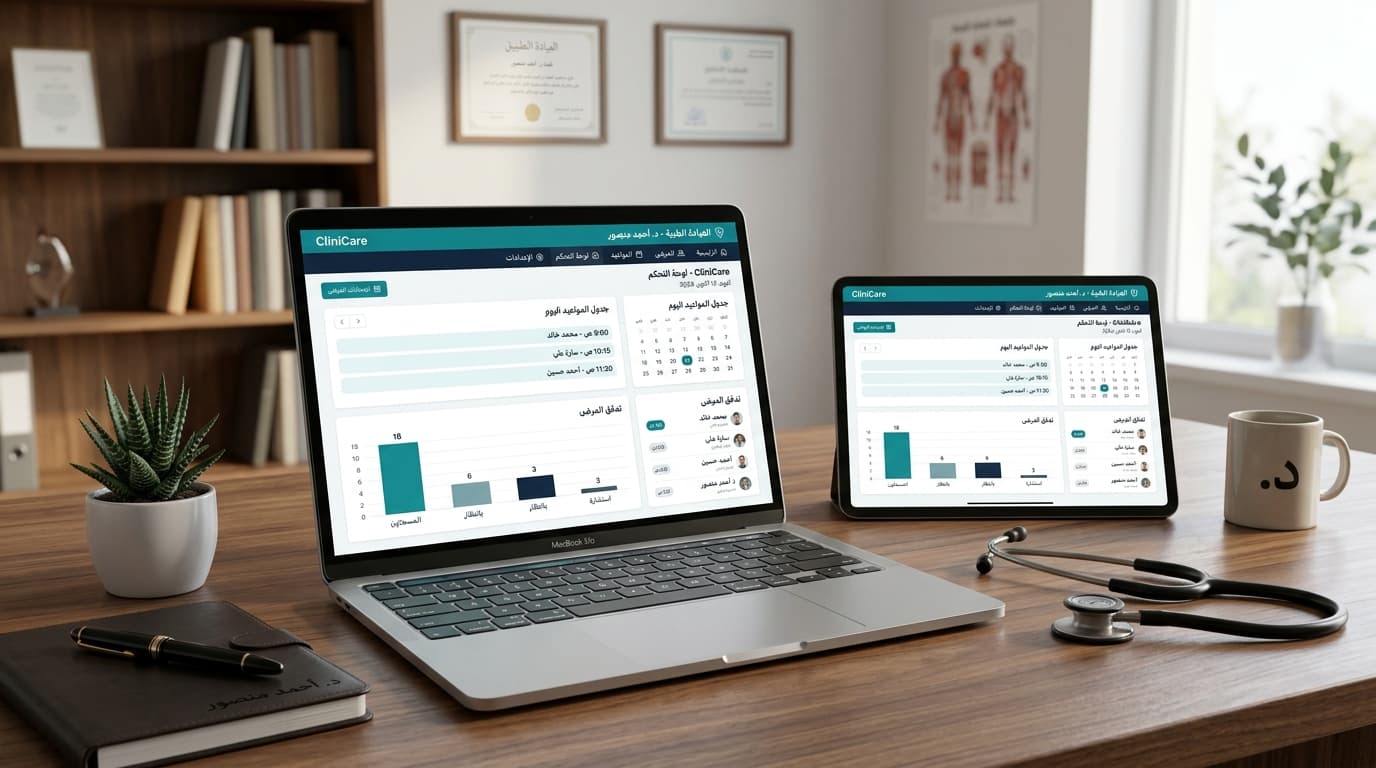
In the dynamic landscape of modern healthcare, the role of robust clinic management software has become indispensable, especially in specialized fields like obstetrics and gynecology. For healthcare providers in the Arab world, Egypt, Saudi Arabia, and the UAE, managing the intricate details of antenatal care requires precision, efficiency, and a system that can seamlessly integrate clinical and administrative workflows. Antenatal care, the cornerstone of maternal and fetal health, demands meticulous record-keeping, accurate tracking of progress, and proactive identification of potential risks. This is where advanced OBGYN practice software shines, transforming what was once a paperwork-heavy process into a streamlined, digital experience.
This comprehensive guide explores how dedicated clinic management systems facilitate exceptional antenatal care tracking, from the initial consultation to postpartum follow-up. We will delve into the step-by-step process of prenatal record management, highlighting the critical features that empower healthcare professionals to deliver superior care, improve patient outcomes, and enhance operational efficiency. From calculating gestational age with unparalleled accuracy to digitizing vital prenatal logs and securely storing critical ultrasound files, modern software solutions are redefining prenatal care in OB/GYN clinics.
Table of Contents
- The Critical Role of Clinic Management Software in Antenatal Care
- Streamlining Initial Patient Registration and Comprehensive History Taking
- Mastering Gestational Age Calculation and Due Date Prediction
- Digitalizing Prenatal Visit Documentation and Progress Tracking
- Enhanced Communication, Education, and Patient Engagement
- Administrative Efficiency and Compliance in OB/GYN Practices
- Future-Proofing Your OB/GYN Practice with TabeebPlus
- Frequently Asked Questions (FAQ)
The Critical Role of Clinic Management Software in Antenatal Care
Antenatal care is a series of preventative healthcare visits that a pregnant woman receives from conception until delivery. Its primary goals are to monitor the health of the mother and the developing fetus, detect and treat potential complications early, and provide education and support. Traditionally, this process relied heavily on paper-based records, which were prone to errors, difficult to access quickly, and challenging to analyze for trends or risks. The advent of specialized medical clinic software has revolutionized this paradigm.
For an OB/GYN practice, managing a high volume of expectant mothers, each with unique medical histories and evolving conditions, presents significant logistical and clinical challenges. A robust clinic management software system acts as the central nervous system of the practice, integrating all aspects of patient care into a cohesive digital platform. This integration ensures that every piece of information, from the initial patient intake to the final delivery summary, is readily available, accurate, and secure. The benefits extend beyond mere convenience; they directly impact patient safety, clinical decision-making, and the overall quality of care delivered.
Addressing the Challenges of Traditional Antenatal Record Keeping
- Data Silos: Paper records often lead to fragmented information, where lab results are separate from doctor's notes, and ultrasound reports reside in different folders. This makes a holistic view of the patient difficult.
- Accessibility Issues: Retrieving specific information from physical charts can be time-consuming, especially during emergencies or when a different provider needs to review the history.
- Legibility and Accuracy: Handwritten notes can be hard to read, leading to misinterpretations and potential medical errors. Manual data entry is also susceptible to human error.
- Security and Privacy: Physical files are vulnerable to loss, damage, or unauthorized access, posing significant risks to patient confidentiality.
- Lack of Analytics: Without digitized data, identifying trends, assessing practice performance, or conducting research is nearly impossible.
Modern OBGYN practice software directly addresses these challenges by providing a centralized, secure, and easily accessible digital repository for all patient data. This foundation is crucial for effective antenatal care tracking, ensuring that every mother receives consistent, high-quality care throughout her pregnancy journey.
Streamlining Initial Patient Registration and Comprehensive History Taking
The journey of antenatal care begins with thorough patient registration and an exhaustive medical history. This foundational step is paramount for identifying potential risk factors, pre-existing conditions, and establishing a baseline for the pregnancy. A sophisticated clinic management software system streamlines this entire process, making it more efficient and accurate.
Digital Patient Intake Forms and Onboarding
Gone are the days of tedious paper forms. With digital intake, patients can complete their registration and medical history forms online before their first appointment, reducing waiting times and improving data accuracy. This feature, often integrated within the patient portal component of the medical clinic software, allows for:
- Pre-appointment data collection: Patients can input personal details, insurance information, and initial medical history from the comfort of their home.
- Structured data capture: Forms are designed to prompt for specific, critical information, ensuring no vital details are overlooked.
- Automated data transfer: Once submitted, the information is automatically populated into the patient's electronic health record (EHR), minimizing manual data entry errors.
Comprehensive Medical and Obstetrical History
The software facilitates the systematic collection of a detailed history, which is crucial for risk assessment. Key areas include:
- General Medical History: Chronic conditions (e.g., diabetes, hypertension), allergies, previous surgeries, current medications.
- Family History: Genetic conditions, history of multiple births, recurrent pregnancy loss.
- Obstetrical History: Parity (number of pregnancies, live births, miscarriages, abortions), details of previous pregnancies (complications, mode of delivery, birth weight, gestational age at delivery). This is where integration with existing gynecology electronic records becomes invaluable, providing a longitudinal view of a patient's reproductive health.
- Social History: Lifestyle factors such as smoking, alcohol use, drug use, nutritional habits, and psychosocial support.
By digitizing this process, healthcare providers gain instant access to a comprehensive patient profile, enabling them to make informed decisions from the very first visit. The structured nature of digital records also aids in identifying red flags more efficiently, allowing for early intervention and personalized care plans.
Mastering Gestational Age Calculation and Due Date Prediction
Accurate determination of gestational age (GA) and estimated due date (EDD) is arguably one of the most critical aspects of antenatal care. It influences the timing of prenatal screenings, monitoring fetal growth, and planning for delivery. Manual calculations can be prone to error, but a dedicated gestational age calculator within OBGYN practice software ensures precision.
Question: How does clinic software calculate gestational age, and why is accuracy so important?
Answer: Clinic management software employs sophisticated algorithms to calculate gestational age and predict the estimated due date (EDD) with high accuracy, primarily using two key data points: the Last Menstrual Period (LMP) and early ultrasound findings. Accuracy is paramount because it dictates the timing of critical prenatal tests, monitoring fetal development milestones, and making informed decisions regarding potential interventions or delivery timing. An incorrect GA can lead to unnecessary interventions, missed opportunities for crucial screenings, or even premature or post-term deliveries that could have been avoided.
Methods of Gestational Age Calculation within Software:
- Last Menstrual Period (LMP) Method:
- The software prompts for the first day of the patient's last menstrual period.
- It then uses Naegele's Rule (LMP + 7 days - 3 months + 1 year) or similar algorithms to calculate the EDD and current GA.
- The system can also account for irregular cycles or known ovulation dates if provided, offering a more nuanced calculation.
- Early Ultrasound Measurement:
- For cases where the LMP is uncertain, irregular, or conflicting with clinical findings, early ultrasound (typically between 6-12 weeks) provides the most accurate estimation.
- The software integrates with ultrasound machines or allows for manual input of measurements like Crown-Rump Length (CRL).
- It then cross-references these measurements against standardized growth curves to determine the GA and adjust the EDD. Many systems automatically suggest an EDD correction if the ultrasound-derived GA differs significantly from the LMP-derived GA.
The integrated gestational age calculator feature within antenatal care tracking software provides a consistent and reliable method for dating pregnancies. It eliminates manual calculations, reducing the risk of human error and ensuring that all healthcare providers involved in the patient's care are working with the same, accurate information. This consistency is vital for scheduling follow-up appointments, ordering appropriate screening tests (e.g., nuchal translucency, anomaly scans, glucose tolerance tests), and monitoring fetal growth against expected parameters.
Digitalizing Prenatal Visit Documentation and Progress Tracking
Each antenatal visit is a critical checkpoint in the pregnancy journey, requiring meticulous documentation. Modern clinic management software transforms this process, ensuring that every detail is captured, organized, and easily accessible. This digital approach goes beyond simple record-keeping; it enables dynamic tracking, trend analysis, and proactive risk management.
Comprehensive Digital Prenatal Logs
During each visit, the software allows for the systematic recording of a wide array of clinical data:
- Vital Signs: Blood pressure, heart rate, temperature, and respiration rate are logged. The system can flag abnormal readings based on established clinical guidelines.
- Weight and BMI Tracking: Consistent weight monitoring is crucial. The software tracks weight gain over the pregnancy, plotting it against standard curves to identify inadequate or excessive gain.
- Fundal Height Measurement: Recorded and plotted to assess fetal growth and identify potential growth restrictions or polyhydramnios/oligohydramnios.
- Fetal Heart Rate (FHR): Auscultated and recorded, ensuring fetal well-being.
- Urine Dipstick Analysis: Results for protein, glucose, and ketones are documented, aiding in the early detection of conditions like preeclampsia or gestational diabetes.
- Symptom Review: A structured template for documenting patient-reported symptoms (e.g., nausea, fatigue, swelling, contractions) and any concerns.
Lab Results Management and Integration
One of the most powerful features of OBGYN practice software is its ability to integrate with laboratory information systems. This means:
- Automated Lab Orders: Physicians can order standard prenatal labs (e.g., CBC, blood type and Rh, syphilis, hepatitis B, rubella, HIV screening, glucose screening) directly from the EHR.
- Electronic Result Delivery: Results are automatically sent back to the patient's digital chart, eliminating manual entry and reducing delays.
- Abnormal Result Alerts: The system can be configured to highlight or alert providers to abnormal or critical lab values, ensuring prompt review and action.
- Historical Trend Analysis: Providers can easily view a patient's lab results over time, identifying trends or changes that might indicate a developing condition.
Ultrasound Image and Report Storage
Ultrasound examinations are vital for confirming pregnancy, assessing fetal viability, dating, screening for anomalies, and monitoring growth. Medical clinic software provides secure storage and easy retrieval of ultrasound reports and images:
- Digital Image Archiving: Ultrasound images (DICOM files) can be directly uploaded and linked to the patient's record, allowing for visual comparison over time.
- Structured Report Templates: Standardized templates ensure that all relevant measurements and findings are documented consistently.
- Accessibility: Reports and images are instantly accessible to all authorized providers, facilitating collaborative care and consultations. This is particularly useful for specialists reviewing the case or for patient education.
Medication Management and Prescribing
Managing medications during pregnancy requires extreme caution. The software includes:
- E-Prescribing: Securely send prescriptions directly to pharmacies, reducing errors and improving efficiency.
- Drug-Pregnancy Risk Databases: Built-in alerts or access to databases that flag medications contraindicated or requiring caution during pregnancy.
- Allergy Alerts: Automatic warnings for drug allergies documented in the patient's history.
Comparison Table: Manual vs. Software-Assisted Antenatal Record Keeping
| Feature/Aspect | Manual Record Keeping | Software-Assisted Antenatal Record Keeping |
|---|---|---|
| Data Entry | Handwritten, often repetitive across forms. Prone to illegibility and human error. | Digital, structured templates. Auto-population, drop-down menus, voice-to-text. Minimizes errors. |
| Accessibility | Physical charts, limited to one location. Time-consuming retrieval. | Cloud-based access from authorized devices, anytime, anywhere. Instant retrieval. |
| Data Security & Privacy | Vulnerable to loss, damage, unauthorized physical access. Compliance challenges. | Robust encryption, access controls, audit trails, secure backups. Facilitates HIPAA/GDPR/local compliance. |
| Gestational Age & EDD | Manual calculations (Naegele's Rule). Potential for errors. | Automated gestational age calculator. Integrates LMP and ultrasound for accuracy. |
| Lab & Imaging Results | Paper reports, often filed separately. Manual transcription. Delays in review. | Electronic integration with labs/imaging centers. Automatic import, abnormal result alerts. |
| Trend Analysis | Extremely difficult to identify patterns across multiple visits or patients. | Automated charting, graphical displays of vital signs, weight, fundal height. Enables proactive intervention. |
| Patient Communication | Primarily phone calls or in-person. No easy way to share records securely. | Secure patient portal, automated reminders, educational material sharing. |
| Administrative Overhead | High, involving filing, retrieving, managing physical space for records. | Reduced, with automated scheduling, billing, and digital documentation. |
| Compliance & Reporting | Difficult to generate reports for audits or quality improvement. | Easy generation of compliance reports, quality metrics, and practice analytics. |
Enhanced Communication, Education, and Patient Engagement
Effective antenatal care extends beyond clinical examinations; it encompasses robust communication and patient education. Empowering expectant mothers with knowledge and facilitating seamless interaction with their care team are crucial for positive outcomes. OBGYN practice software significantly enhances these aspects.
Secure Patient Portals for Interactive Care
A patient portal, a core feature of comprehensive medical clinic software, serves as a secure digital bridge between patients and their healthcare providers. Through the portal, patients can:
- Access Personal Health Information: View their digital prenatal logs, lab results, ultrasound reports, and medication lists. This transparency empowers patients to be more involved in their own care.
- Secure Messaging: Communicate directly with their care team, asking questions, reporting symptoms, or requesting clarifications, all within a HIPAA-compliant environment.
- Appointment Management: Schedule, reschedule, or cancel appointments conveniently online. The system can also send automated reminders via SMS or email, reducing no-show rates (for seamless appointment scheduling, visit TabeebPlus's appointment features).
- Educational Resources: Access a library of pregnancy-related educational materials, videos, and articles tailored to their gestational stage or specific conditions. This proactive education can alleviate anxiety and promote healthy behaviors.
Personalized Patient Education
The software can be configured to deliver personalized educational content based on the patient's specific needs, gestational age, or identified risk factors. For example, a patient with gestational diabetes might receive targeted information on diet and blood sugar monitoring, while another approaching her due date might receive information on labor signs and delivery options.
Telehealth Integration for Continuity of Care
For certain follow-up visits or consultations, telehealth capabilities integrated into the clinic management software can be invaluable. This allows for:
- Virtual Consultations: Remote check-ins, especially for low-risk pregnancies or postpartum follow-ups, saving patients travel time and costs.
- Remote Monitoring: Integration with wearable devices or home monitoring tools (e.g., blood pressure cuffs, glucometers) can allow providers to remotely track vital data and intervene if necessary.
By fostering better communication and providing accessible educational resources, antenatal care tracking software helps create a more engaged and informed patient population, leading to better adherence to care plans and improved maternal and fetal health outcomes.
Administrative Efficiency and Compliance in OB/GYN Practices
Beyond clinical benefits, clinic management software significantly boosts the administrative efficiency of an OB/GYN practice and ensures adherence to complex regulatory requirements. This administrative prowess is crucial for the financial health and legal standing of any healthcare institution.
Streamlined Billing and Insurance Management
The financial aspects of healthcare can be intricate, particularly with varying insurance policies and billing codes for prenatal services. Software solutions simplify this by:
- Automated Coding: Suggesting appropriate ICD-10 and CPT codes based on documented services, reducing coding errors and claim denials.
- Insurance Verification: Integrating with insurance providers for real-time eligibility checks, minimizing billing surprises for patients and staff.
- Electronic Claim Submission: Submitting claims electronically, accelerating reimbursement cycles and reducing administrative burden.
- Payment Processing: Facilitating secure online payments and managing patient accounts.
Reporting and Analytics for Practice Improvement
One of the strategic advantages of digitized records is the ability to generate insightful reports and analytics. Medical clinic software allows practices to:
- Monitor Key Performance Indicators (KPIs): Track appointment volumes, patient demographics, no-show rates, revenue cycles, and provider productivity.
- Identify Clinical Trends: Analyze anonymized data to identify prevalent pregnancy complications, effectiveness of interventions, or areas for clinical improvement within the practice.
- Optimize Resource Allocation: Use data to better manage staffing, clinic hours, and equipment needs.
- Quality Improvement Initiatives: Generate reports for quality assurance, accreditation, and continuous improvement programs, demonstrating commitment to high standards of care.
Data Security and Compliance
Protecting sensitive patient health information is paramount, especially in the digital age. Gynecology electronic records systems are designed with robust security features to ensure compliance with international and local regulations such as HIPAA in the US, GDPR in Europe, and similar data protection laws in the Arab world.
- Access Controls: Role-based access ensures that only authorized personnel can view or modify specific patient data.
- Encryption: All data, both in transit and at rest, is encrypted to prevent unauthorized interception.
- Audit Trails: Every interaction with a patient record is logged, providing a clear audit trail for accountability and security monitoring.
- Regular Backups: Cloud-based systems automatically perform regular backups, protecting against data loss due to system failures or disasters.
Understanding and adhering to these regulations is not just a legal necessity but a cornerstone of patient trust. Healthcare providers can find more information on best practices for data security and privacy from authoritative sources like the World Health Organization's guidelines on digital health or specific national health authorities.
Staff Workflow Optimization
By automating routine tasks and providing intuitive interfaces, the software significantly improves staff efficiency:
- Reduced Paperwork: Frees up administrative staff from manual filing, scanning, and data entry.
- Improved Collaboration: All team members (doctors, nurses, administrative staff) access the same, up-to-date information, fostering better teamwork.
- Task Management: Features for assigning tasks, setting reminders, and tracking progress ensure that nothing falls through the cracks, from follow-up calls to prescription refills.
The administrative efficiencies gained allow healthcare professionals to dedicate more time to patient care, enhancing both the patient experience and staff satisfaction.
Future-Proofing Your OB/GYN Practice with TabeebPlus
Investing in a sophisticated clinic management software is not just about addressing current needs; it's about strategically positioning your OB/GYN practice for future growth and evolving healthcare demands. As healthcare continues its rapid digital transformation, cloud-based systems like TabeebPlus offer unparalleled advantages that future-proof your operations.
Strategic Advantages of Cloud-Based Systems
- Scalability: As your practice grows, TabeebPlus scales with you. Adding new providers, locations, or services is seamless, without the need for significant hardware upgrades or IT infrastructure investments.
- Accessibility and Mobility: Cloud access means you can securely manage your practice from anywhere, at any time, on any device. This flexibility is invaluable for busy practitioners, multi-clinic operations, and emergency access to patient records.
- Automatic Updates and Maintenance: TabeebPlus handles all software updates, security patches, and maintenance, ensuring you always have access to the latest features and highest security standards without any effort from your IT team.
- Cost-Effectiveness: Eliminates the need for expensive on-premise servers, IT staff, and software licenses, typically operating on a subscription model that converts capital expenditure into predictable operational costs.
- Enhanced Collaboration: Facilitates seamless collaboration among healthcare teams, even across different locations, ensuring a unified approach to patient care.
Focus on Patient-Centric Care
Ultimately, the goal of any healthcare technology is to improve patient outcomes and experiences. TabeebPlus, with its comprehensive antenatal care tracking, intuitive patient portal, and robust administrative tools, enables OB/GYN practices to shift their focus from administrative burdens to delivering truly patient-centric care. By providing tools for precise gestational age calculation, detailed prenatal logs, and secure access to medical records, TabeebPlus empowers both providers and patients throughout the pregnancy journey.
In the competitive healthcare landscape of the Arab world, Egypt, Saudi Arabia, and the UAE, choosing a reliable, comprehensive, and locally attuned medical clinic software like TabeebPlus is a strategic decision that will elevate your practice, improve efficiency, and most importantly, enhance the quality of care for expectant mothers.
Frequently Asked Questions (FAQ)
What specific features of TabeebPlus aid in high-risk pregnancy management?
TabeebPlus offers several critical features for managing high-risk pregnancies. Its comprehensive electronic health records allow for detailed documentation of risk factors, from gestational diabetes and hypertension to previous pregnancy complications. The system facilitates easy flagging of high-risk patients, ensuring they receive heightened attention. Integrated lab and imaging results management means critical values are immediately accessible, and alerts can be configured for abnormal findings. Furthermore, the robust appointment scheduling system allows for more frequent follow-ups, while the patient portal enables secure communication for urgent queries or remote monitoring, ensuring continuous oversight for these vulnerable patients.
Can TabeebPlus integrate with existing diagnostic equipment like ultrasound machines?
Yes, TabeebPlus is designed with integration capabilities. While direct, real-time integration with every make and model of ultrasound machine might vary, the system supports the import and secure storage of DICOM images and structured reports from diagnostic equipment. This means that ultrasound findings, fetal measurements, and images can be seamlessly uploaded and linked to the patient's digital prenatal log. This centralizes all diagnostic information, allowing OBGYN practitioners to view a complete picture of fetal development and maternal health within a single platform, aiding in accurate gestational age calculation and anomaly detection.
How does TabeebPlus ensure data security and patient privacy for sensitive OB/GYN records?
TabeebPlus prioritizes data security and patient privacy through multi-layered measures. It employs advanced encryption protocols for all data, both in transit and at rest, protecting sensitive gynecology electronic records from unauthorized access. The system features robust access controls, ensuring that only authorized personnel with specific roles can view or modify patient information. Comprehensive audit trails log every interaction with a patient's record, providing accountability. Regular data backups, secure cloud infrastructure, and adherence to international data protection standards (like HIPAA and GDPR, adapted for regional regulations) are fundamental to its security framework, giving clinics peace of mind.
Is TabeebPlus suitable for multi-location OB/GYN practices or large clinics?
Absolutely. TabeebPlus is a cloud-based solution built for scalability and flexibility, making it ideal for multi-location OB/GYN practices or large clinics. Its centralized database allows providers across different branches to access and update patient records in real-time, ensuring continuity of care regardless of the patient's visit location. Features like centralized scheduling, consolidated billing, and comprehensive reporting tools streamline operations across multiple sites. The system's architecture supports a large number of users and patient records, accommodating growth without compromising performance or data integrity, which is a significant advantage for expanding healthcare groups.
What kind of support and training does TabeebPlus offer to new users?
TabeebPlus is committed to ensuring a smooth onboarding experience for all its users. We offer comprehensive support and training packages tailored to the needs of each clinic. This typically includes initial setup and configuration assistance, in-depth training sessions for administrative staff and healthcare providers on all aspects of the software, and access to an extensive knowledge base and user manuals. Ongoing technical support is available through various channels, including phone, email, and live chat, to address any queries or issues promptly. Our goal is to empower your team to fully leverage the power of our clinic management software for optimal efficiency and patient care.
How does TabeebPlus assist with regulatory compliance for antenatal care tracking in the Arab world?
TabeebPlus is designed with a keen understanding of the regulatory landscape in the Arab world, including Egypt, Saudi Arabia, and the UAE. It helps clinics achieve compliance by providing structured documentation templates that align with local reporting requirements for antenatal care. The system ensures secure data handling, adhering to regional data privacy laws, and offers robust audit trails for accountability. Its reporting features can generate necessary data for national health registries or quality assurance initiatives. By providing a compliant digital framework for antenatal care tracking, TabeebPlus significantly reduces the administrative burden of regulatory adherence for OB/GYN practices.
Can patients schedule their own antenatal appointments through TabeebPlus?
Yes, TabeebPlus includes a powerful patient portal feature that allows expectant mothers to conveniently schedule their own antenatal appointments online. They can view available slots, choose their preferred physician or time, and book appointments directly into the clinic's schedule. This self-service option reduces phone calls to the front desk, improves patient satisfaction, and enhances administrative efficiency. The system can also send automated appointment reminders, helping to reduce no-show rates and ensure patients attend their crucial prenatal visits. You can learn more about our appointment management features on our homepage.
The journey of antenatal care is a profound and intricate process, demanding precision, empathy, and seamless coordination. By leveraging advanced clinic management software like TabeebPlus, OB/GYN practices in the Arab world, Egypt, Saudi Arabia, and the UAE can elevate their standards of care, streamline operations, and empower both their teams and their patients. From the accurate calculation of gestational age to comprehensive digital prenatal logs and robust administrative tools, TabeebPlus provides a holistic solution for modern antenatal care tracking. It's more than just software; it's a strategic partner in delivering exceptional maternal and fetal health outcomes, building healthier communities one pregnancy at a time. Embrace the future of healthcare management today.