The healthcare landscape in Saudi Arabia is undergoing a transformative digital evolution, spearheaded by initiatives aimed at enhancing efficiency, transparency, and patient care. Central to this transformation is the National Platform for Health Information Exchange Services, commonly known as NPHIES. For any medical clinic operating within the Kingdom, understanding and implementing robust NPHIES integration for clinics is not merely an option but a critical imperative for sustained operation and future growth. This comprehensive guide provides an actionable roadmap for clinics to navigate the complexities of NPHIES, ensuring seamless integration, full compliance, and optimized operational workflows.
Table of Contents
- Understanding NPHIES: The Foundation of Saudi Healthcare Digitization
- Key Requirements for NPHIES Compliance
- The NPHIES Integration Process: A Step-by-Step Guide
- Navigating NPHIES for Insurance Claims and Billing
- Challenges and Best Practices for a Smooth Transition
- Frequently Asked Questions (FAQ)
Understanding NPHIES: The Foundation of Saudi Healthcare Digitization
The National Platform for Health Information Exchange Services (NPHIES) represents a monumental leap forward in Saudi Arabia's healthcare sector. Developed under the purview of the Saudi Health Council and in alignment with Vision 2030, NPHIES is designed to establish a unified, secure, and efficient digital ecosystem for health information exchange across all healthcare providers in the Kingdom. It aims to connect hospitals, clinics, pharmacies, laboratories, and insurance companies, enabling real-time data sharing and fostering a more integrated, patient-centric healthcare system.
What is NPHIES?
NPHIES is essentially a centralized digital infrastructure facilitating the secure exchange of health information. It acts as a digital backbone, standardizing data formats and communication protocols to ensure interoperability between disparate healthcare IT systems. This platform is pivotal for enabling a holistic view of patient health records, improving coordination of care, and providing valuable data for public health initiatives and policy-making.
Goals and Benefits for KSA Healthcare
The overarching goals of NPHIES are multifaceted, contributing significantly to the modernization of Saudi healthcare:
- Enhanced Patient Safety and Care Quality: By providing healthcare professionals with immediate access to comprehensive patient histories, including allergies, medications, and past diagnoses, NPHIES reduces medical errors and improves diagnostic accuracy.
- Operational Efficiency: Streamlining administrative processes, such as patient registration, appointment scheduling, and insurance claims, reduces manual workload and administrative overhead for clinics.
- Cost Reduction: Minimizing duplicate tests, improving resource allocation, and optimizing claims processing contribute to significant cost savings across the healthcare system.
- Improved Public Health Surveillance: Centralized data allows for better monitoring of disease outbreaks, health trends, and the effectiveness of public health interventions.
- Data-Driven Decision Making: Aggregated, anonymized data provides critical insights for policymakers to develop evidence-based health strategies and allocate resources effectively.
Regulatory Landscape: CCHI and MOH Roles
NPHIES operates within a robust regulatory framework. The Council of Cooperative Health Insurance (CCHI) plays a crucial role, particularly regarding insurance-related aspects, including the standardization of insurance claims and the oversight of health insurance providers. The Ministry of Health (MOH) is the primary regulatory body for healthcare services, setting standards for patient care, data privacy, and the overall implementation of NPHIES. Clinics must adhere to guidelines set forth by both entities to ensure full compliance. This intertwined regulatory environment ensures that the Saudi cooperative health insurance NPHIES system functions effectively and securely, protecting both providers and patients.
Impact on Medical Clinics
For medical clinics, NPHIES represents a significant shift from traditional paper-based or siloed digital systems to a fully integrated digital environment. Clinics must transition to systems capable of communicating with NPHIES, affecting every aspect of their operations, from patient registration and clinical documentation to billing and insurance claims. This mandates a strategic approach to technology adoption and staff training to harness the full potential of the platform.
Key Requirements for NPHIES Compliance
Achieving NPHIES compliance requires a multi-pronged approach, addressing technical infrastructure, data standards, system capabilities, and staff readiness. Clinics must meticulously evaluate their current operations against these requirements to identify gaps and formulate an effective integration strategy.
Technical Infrastructure: Connectivity and Security
A robust and secure technical foundation is paramount for NPHIES compliance. Clinics must ensure:
- Reliable Internet Connectivity: High-speed, stable internet access is essential for real-time data exchange with NPHIES.
- Secure Network Environment: Implementing firewalls, intrusion detection systems, and secure network protocols is critical to protect sensitive patient data.
- Data Encryption: All data transmitted to and from NPHIES must be encrypted, both in transit and at rest, to prevent unauthorized access.
- Data Privacy and Security Standards: Adherence to national data privacy laws and international best practices, such as those inspired by HIPAA guidelines, is non-negotiable. Clinics must implement strict access controls, audit trails, and data backup/recovery protocols.
Data Standards: SNOMED CT, ICD-10, LOINC Mapping
NPHIES mandates the use of standardized clinical terminologies and coding systems to ensure data consistency and interoperability. Clinics must be prepared to use or map their data to:
- SNOMED CT (Systematized Nomenclature of Medicine – Clinical Terms): A comprehensive, multilingual clinical terminology used for documenting clinical findings, symptoms, diagnoses, procedures, and more.
- ICD-10-CM/PCS (International Classification of Diseases, 10th Revision, Clinical Modification/Procedure Coding System): Used for coding diagnoses and inpatient procedures for billing and statistical purposes.
- LOINC (Logical Observation Identifiers Names and Codes): A universal standard for identifying medical laboratory observations, clinical measurements, and documents.
Accurate mapping and coding are crucial for correct data submission, claims processing, and data analytics. Clinics need a system that facilitates this complex mapping efficiently.
Required Clinic Information Systems: EMR, Billing, Appointment Scheduling
To interact effectively with NPHIES, clinics need an integrated suite of information systems. A compliant clinic software KSA solution will typically include:
- Electronic Medical Records (EMR) System: A robust EMR is fundamental, capable of capturing, storing, and managing comprehensive patient clinical data in a structured format compatible with NPHIES data standards. This includes patient demographics, medical history, diagnoses, medications, treatment plans, and progress notes. Tabeeb Plus offers an advanced EMR system designed for the Saudi market.
- Medical Billing and Claims Management System: This system is essential for generating, submitting, and managing electronic insurance claims in accordance with NPHIES protocols. It must support pre-authorization requests, eligibility checks, claim status tracking, and denial management. Tabeeb Plus provides integrated billing features to streamline this process.
- Appointment Scheduling System: Integrated scheduling systems help manage patient appointments efficiently and can be linked to patient records and insurance eligibility checks. Tabeeb Plus’s appointment management module simplifies this.
The key is that these systems must be able to communicate seamlessly with each other and, crucially, with the NPHIES platform via APIs.
Staff Training and Competency
Technology adoption is only as successful as the people using it. Comprehensive training programs are vital for all clinic staff, including:
- Clinicians: Training on accurate EMR documentation, standardized coding, and understanding how NPHIES impacts clinical workflows.
- Administrative Staff: Training on patient registration, appointment scheduling, insurance verification, and electronic claims submission through the NPHIES-integrated system.
- IT Personnel: Ensuring they are proficient in managing the clinic's IT infrastructure, troubleshooting integration issues, and maintaining data security.
Ongoing education and refresher courses will ensure continued compliance and efficient use of the new systems.
The NPHIES Integration Process: A Step-by-Step Guide
Integrating with NPHIES is a structured process that requires careful planning, execution, and ongoing management. Clinics should approach this as a strategic project, broken down into manageable phases.
Phase 1: Preparation and Assessment
- Internal Audit and Readiness Assessment:
- Evaluate existing IT infrastructure, hardware, and software capabilities.
- Assess current data quality, completeness, and adherence to potential NPHIES standards.
- Identify current clinical and administrative workflows that will be impacted.
- Determine staff readiness and training needs.
- Vendor Selection for NPHIES-Ready PMS/EMR:
- Choose a Practice Management System (PMS) and EMR vendor that is fully compliant with NPHIES requirements and has a proven track record in the KSA market. This is where a platform like Tabeeb Plus, built with local compliance in mind, becomes invaluable.
- Ensure the vendor offers comprehensive support, training, and ongoing updates.
- GAP Analysis:
- Compare current systems and processes against NPHIES requirements to identify specific areas needing improvement or modification. This will form the basis of your integration project plan.
Phase 2: Technical Implementation
- API Integration: Understanding NPHIES APIs:
- Work closely with your chosen software vendor to understand and implement the necessary Application Programming Interfaces (APIs) provided by NPHIES. These APIs are the conduits for secure, standardized data exchange.
- Ensure that your clinic EMR billing integration KSA solution can seamlessly communicate with NPHIES for patient registration, insurance eligibility, claims submission, and other relevant transactions.
- Data Migration and Mapping:
- Carefully plan and execute the migration of existing patient data into the new NPHIES-compliant EMR system.
- Crucially, map existing data to the required NPHIES data standards (SNOMED CT, ICD-10, LOINC). This may involve data cleansing and normalization to ensure accuracy and consistency.
- System Configuration and Customization:
- Configure the new PMS/EMR system to align with your clinic's specific workflows while adhering to NPHIES protocols.
- Customize templates, forms, and reports as needed, ensuring they capture all necessary data for NPHIES submission.
- Testing and Validation (UAT):
- Conduct rigorous testing, including unit testing, integration testing, and user acceptance testing (UAT).
- Simulate various scenarios, including patient registration, appointment scheduling, clinical documentation, and insurance claims submission, to ensure the system functions as expected and data flows correctly to NPHIES.
- Address any identified bugs or issues before going live.
Phase 3: Go-Live and Ongoing Management
- Pilot Program:
- Consider a phased rollout, starting with a pilot program in a specific department or with a small group of users. This allows for fine-tuning and addressing unexpected issues in a controlled environment.
- Full Rollout:
- Once the pilot is successful, proceed with the full rollout across the entire clinic.
- Ensure continuous support is available to staff during this transition period.
- Continuous Monitoring and Updates:
- Regularly monitor system performance, data quality, and NPHIES communication.
- Stay informed about any updates or changes to NPHIES specifications and ensure your clinic's software is updated accordingly. Your vendor should provide these updates.
- Regularly audit data submissions for accuracy and compliance.
Navigating NPHIES for Insurance Claims and Billing
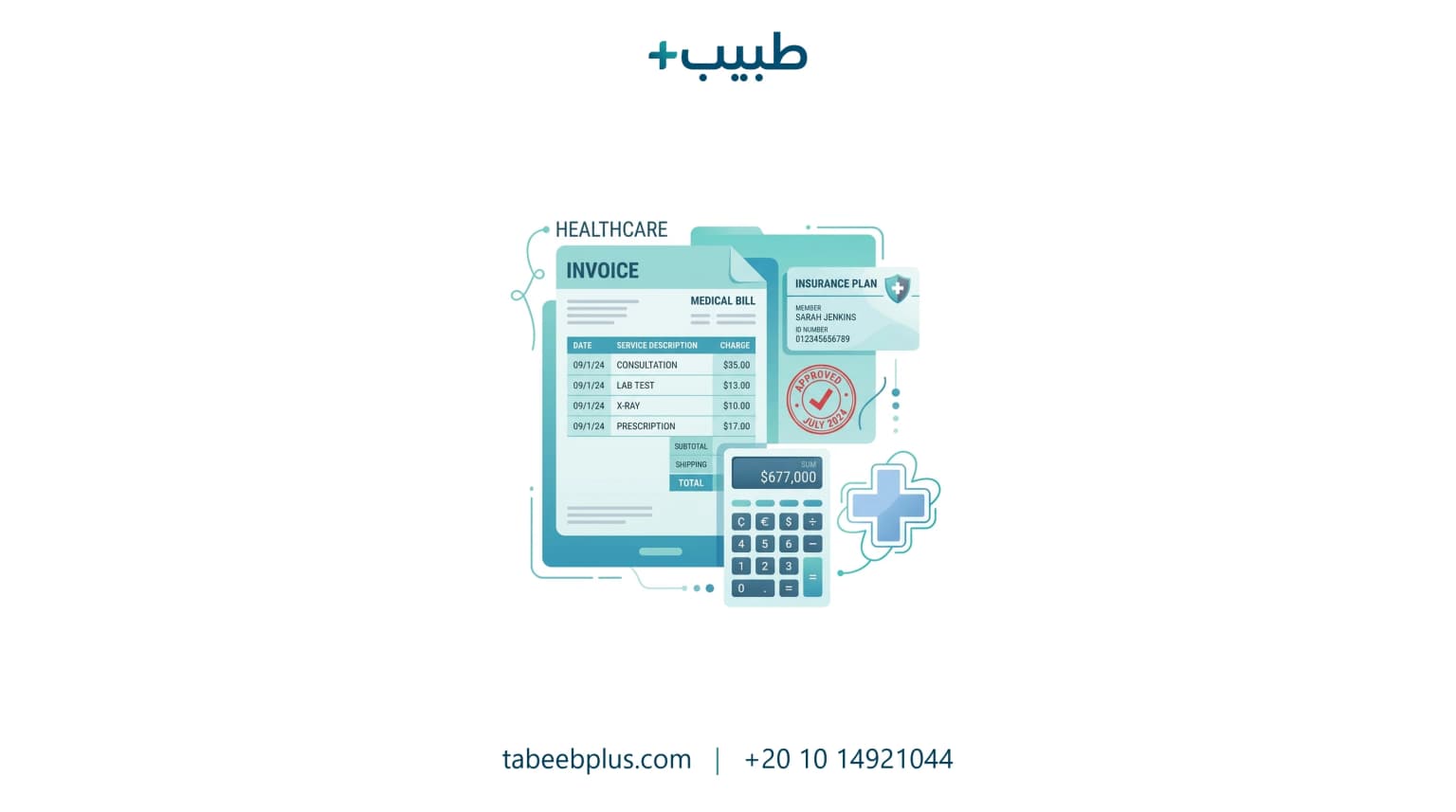
One of the most significant impacts of NPHIES is on the claims and billing process. The platform aims to standardize and digitize these operations, making them more efficient and transparent. For clinics, this means a fundamental shift in how they interact with insurance providers.
Electronic Claims Submission: Streamlining the Process
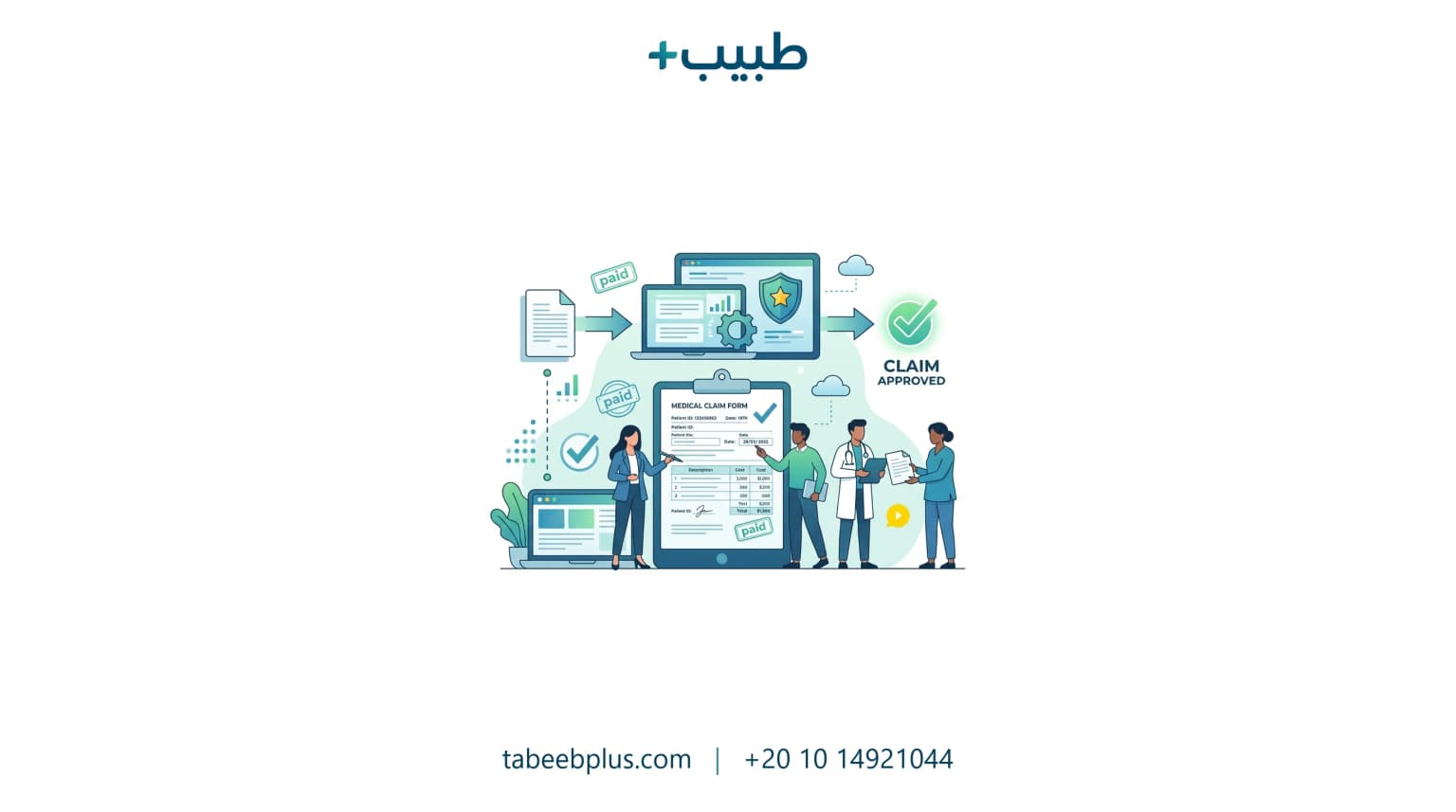
NPHIES mandates electronic submission of all health insurance claims. This eliminates paper-based claims, reduces manual errors, and significantly speeds up the processing time. Clinics utilizing an NPHIES-integrated billing system can generate and submit claims directly from their EMR, ensuring that all required clinical and billing data is automatically included and formatted correctly. This process enhances the efficiency of NPHIES insurance claims management.
Pre-authorization and Eligibility Checks
Before providing certain services, especially high-cost procedures, pre-authorization from the insurance company is often required. NPHIES facilitates electronic pre-authorization requests and responses, allowing clinics to quickly verify coverage and obtain necessary approvals. Similarly, real-time eligibility checks ensure that patients have active insurance coverage for the services they are receiving, minimizing claim rejections due to invalid insurance information. Tabeeb Plus's billing module supports these essential checks, integrating seamlessly with NPHIES.
Claim Status Tracking and Reconciliation
With NPHIES, clinics can track the status of submitted claims in real-time. This transparency allows for quicker identification of pending claims, rejected claims, or claims requiring further information. Automated systems can reconcile payments received against claims submitted, simplifying the accounting process and reducing the administrative burden of manual reconciliation.
Denial Management and Appeals
Despite best efforts, claim denials can occur. NPHIES provides a standardized mechanism for managing denials and submitting appeals. An integrated billing system helps clinics identify the reasons for denial, make necessary corrections, and resubmit claims efficiently. This proactive approach to denial management improves revenue cycle management and reduces lost income.
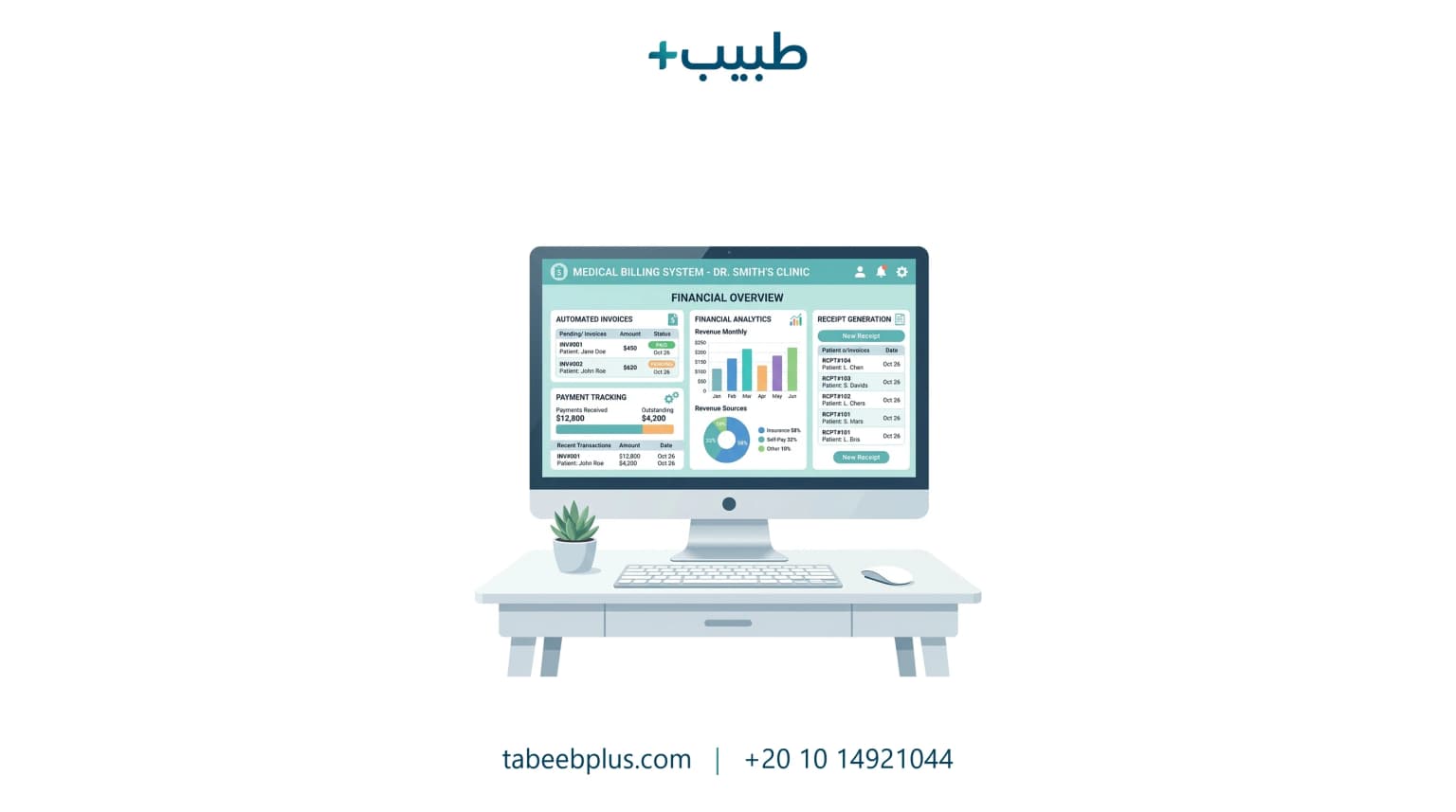
Benefits of Automated Billing Systems
Implementing an automated billing system, especially one like Tabeeb Plus which is designed for NPHIES compliance, offers numerous advantages:
- Reduced Manual Errors: Automation minimizes human error in data entry and coding.
- Faster Reimbursements: Electronic submission and real-time tracking accelerate the claims processing cycle.
- Improved Cash Flow: Quicker reimbursements lead to better financial stability for the clinic.
- Enhanced Compliance: Automated systems ensure adherence to NPHIES and CCHI regulations.
- Greater Transparency: Clear visibility into claim status improves accountability and patient satisfaction.
Here's a comparison table illustrating the shift in claims processing:
| Feature | Before NPHIES (Traditional/Manual) | After NPHIES (Automated/Integrated) |
|---|---|---|
| Claims Submission | Paper forms, faxes, or fragmented electronic portals. | Fully electronic via integrated EMR/Billing system. |
| Pre-authorization | Manual calls, faxes, or emails; time-consuming. | Electronic requests and real-time responses through NPHIES. |
| Eligibility Checks | Manual verification, phone calls to insurance companies. | Real-time electronic verification via NPHIES. |
| Claim Status Tracking | Limited visibility, manual follow-ups, delayed updates. | Real-time tracking and notifications within the system. |
| Denial Management | Manual identification of reasons, paper-based appeals. | Automated alerts, structured appeal processes, faster resolution. |
| Reimbursement Cycle | Longer cycles, delays due to manual processing. | Significantly shorter, more predictable cycles. |
| Data Accuracy | Higher potential for manual entry errors and inconsistencies. | Reduced errors due to standardization and automation. |
| Administrative Burden | High, requiring significant staff time for paperwork. | Significantly reduced, freeing staff for patient care. |
Challenges and Best Practices for a Smooth Transition
While NPHIES offers immense benefits, the transition can present challenges. Proactive planning and adherence to best practices are crucial for a smooth and successful integration.
Common Challenges
- Data Quality and Migration: Legacy systems often contain incomplete, inconsistent, or non-standardized data, making migration and mapping to NPHIES standards complex.
- Staff Resistance to Change: Healthcare professionals may be accustomed to existing workflows and resistant to learning new systems and processes.
- Technical Complexities: Integrating disparate systems, ensuring interoperability, and managing secure data exchange requires specialized IT expertise.
- Cost of Implementation: Investing in new software, hardware, training, and potential data clean-up can be a significant financial undertaking.
- Cybersecurity Risks: Increased data exchange heightens the risk of cyber threats, necessitating robust security measures.
Best Practices for Success
- Early Planning and Dedicated Project Team:
- Start planning well in advance of deadlines.
- Form a dedicated project team with representatives from clinical, administrative, and IT departments to oversee the integration process.
- Phased Implementation:
- Instead of a "big bang" approach, consider a phased implementation. Roll out NPHIES integration in stages (e.g., by department, service line, or type of transaction) to minimize disruption and allow for adjustments.
- Robust Training Programs:
- Develop comprehensive training modules tailored to different staff roles.
- Provide hands-on training, user manuals, and ongoing support to ensure staff proficiency and comfort with the new system.
- Leveraging Expert Partners:
- Collaborate with experienced healthcare IT vendors like Tabeeb Plus who have a deep understanding of NPHIES requirements and the local healthcare landscape. Their expertise can guide you through the complexities, ensuring compliance and efficiency.
- Prioritizing Data Security and Privacy:
- Implement advanced security protocols, including encryption, multi-factor authentication, and regular security audits.
- Ensure strict adherence to KSA data privacy regulations and international standards for patient information protection. The World Health Organization's guidelines on digital health emphasize data security as a core component.
- Continuous Communication:
- Maintain open lines of communication with all stakeholders, including staff, patients, and your NPHIES integration partner. Address concerns promptly and provide regular updates on progress.
- Regular Audits and Performance Monitoring:
- Periodically audit your NPHIES data submissions for accuracy and completeness.
- Monitor key performance indicators (KPIs) related to claims processing, patient registration, and overall system efficiency to identify areas for continuous improvement.
Frequently Asked Questions (FAQ)
What is NPHIES?
NPHIES (National Platform for Health Information Exchange Services) is a centralized digital platform in Saudi Arabia designed to facilitate the secure and standardized exchange of health information among all healthcare providers, insurance companies, and regulatory bodies within the Kingdom. Its goal is to create a unified digital healthcare ecosystem.
Is NPHIES mandatory for all clinics in KSA?
Yes, NPHIES integration is becoming mandatory for all healthcare providers, including medical clinics, operating in Saudi Arabia. This is a key initiative under Vision 2030 to digitize and standardize the national healthcare system, ensuring all entities contribute to and benefit from the unified platform. Specific timelines for mandatory compliance are communicated by the regulatory bodies.
What data needs to be submitted to NPHIES?
Clinics are required to submit various types of patient data, including demographics, medical history, diagnoses (coded with ICD-10), procedures (coded with SNOMED CT), medications, laboratory results (coded with LOINC), radiology reports, and insurance claims information. The goal is to create a comprehensive digital health record for each patient.
How does NPHIES affect my clinic's billing?
NPHIES significantly transforms billing by mandating electronic claims submission, pre-authorization requests, and eligibility checks. It standardizes the data required for claims, leading to fewer rejections due to incorrect formatting or missing information. This streamlines the revenue cycle, potentially speeding up reimbursements and reducing administrative costs for NPHIES insurance claims.
Can my existing EMR integrate with NPHIES?
The ability of your existing EMR to integrate with NPHIES depends on its technical capabilities and the vendor's commitment to NPHIES compliance. Many older or proprietary systems may require significant upgrades or even replacement. It's crucial to check with your current vendor or consider adopting a modern, NPHIES-ready solution like Tabeeb Plus that offers seamless integration via standardized APIs.
What are the benefits of NPHIES for patients?
Patients benefit from NPHIES through improved continuity of care, as their medical history is readily available to authorized healthcare providers. This reduces diagnostic errors, prevents duplicate tests, and ensures safer, more coordinated treatment. It also enhances patient engagement through better access to their health information and more efficient administrative processes.
How can Tabeeb Plus help with NPHIES compliance?
Tabeeb Plus is a cloud-based practice management system specifically designed to meet the evolving needs of Saudi medical clinics, including full NPHIES compliance. It offers integrated EMR, billing, appointment scheduling, and WhatsApp integrations, all built to support NPHIES data standards and API requirements. Our platform simplifies the integration process, minimizes compliance risks, and optimizes clinic operations, allowing you to focus on patient care. Learn more about our solutions at our homepage or contact us directly for assistance.
The journey towards NPHIES integration is a significant undertaking, but it is an essential step for every medical clinic in Saudi Arabia. Embracing this digital transformation is not just about regulatory compliance; it's about future-proofing your practice, enhancing patient care, and contributing to a more efficient and interconnected national healthcare system. By meticulously planning, leveraging the right technology, and investing in staff training, clinics can navigate this transition successfully.
Tabeeb Plus stands ready as your trusted partner in this journey. Our comprehensive, cloud-based practice management system is engineered to simplify NPHIES compliance, streamline your operations, and empower your clinic for success in the digital age. From robust EMR functionalities and efficient billing solutions to seamless appointment management and innovative WhatsApp integrations, Tabeeb Plus provides an all-encompassing platform that ensures your clinic is not only compliant but also optimized for growth and superior patient experience. Take the decisive step towards a compliant and efficient future.