The modern healthcare landscape is characterized by increasing complexity, demanding not just clinical excellence but also operational sophistication. For large medical centers operating across multiple branches, this complexity is amplified. Managing disparate systems, ensuring consistent patient care, and maintaining financial oversight across various locations can quickly become an administrative nightmare. This is precisely where advanced clinic management software steps in, transforming chaos into coordinated efficiency.
Specifically, the adoption of multi branch clinic software has emerged as a critical strategic imperative for enterprise medical centers in regions like the Arab world, Egypt, Saudi Arabia, and the UAE. These solutions are designed to synchronize operations, standardize protocols, and centralize vital information, thereby enabling seamless patient journeys and robust administrative control. From coordinating doctors to synchronizing Electronic Medical Records (EMR) across locations and consolidating multi-site financial reports, a comprehensive multi-branch system is the backbone of modern, efficient healthcare delivery.
Table of Contents
- The Evolving Landscape of Enterprise Medical Centers
- Unified Medical Records (EMR/EHR): The Clinical Cornerstone
- Streamlining Operations: From Appointments to Inventory
- Financial Acumen: Integrated Billing and Comprehensive Reporting
- Enhancing Patient Experience and Engagement
- Data Security, Compliance, and Scalability for Future Growth
- Frequently Asked Questions (FAQ)
- Conclusion: The TabeebPlus Advantage
The Evolving Landscape of Enterprise Medical Centers
The healthcare sector, particularly in rapidly developing economies, is witnessing significant growth and consolidation. Enterprise medical centers are expanding their footprints, establishing satellite clinics, specialized units, and diagnostic centers across cities and even countries. This expansion, while beneficial for patient access and market share, introduces formidable operational challenges. Without a unified technological infrastructure, each branch often operates as an isolated entity, leading to:
- Data Silos: Patient information, appointment schedules, and financial records are fragmented across different systems or even manual processes. This hinders comprehensive patient care and strategic decision-making.
- Operational Inconsistencies: Lack of standardized protocols for patient intake, billing, inventory management, and clinical workflows can lead to inefficiencies, errors, and varying service quality.
- Resource Duplication: Multiple software licenses, redundant hardware, and separate administrative teams for each branch inflate operational costs and complicate management.
- Lack of Real-time Visibility: Administrators and stakeholders struggle to gain a holistic, real-time view of the entire organization's performance, making it difficult to identify bottlenecks, optimize resource allocation, or respond swiftly to operational challenges.
- Compliance Risks: Ensuring adherence to local and international healthcare regulations (e.g., patient data privacy, billing standards) becomes exponentially more complex when managing disparate systems.
The imperative for digital transformation is no longer a luxury but a necessity for these expanding medical groups. A robust multi branch clinic software solution acts as the central nervous system, connecting every part of the organization and fostering an environment of efficiency, collaboration, and superior patient care. For healthcare providers in the Arab world, Egypt, KSA, and UAE, where digital transformation initiatives are gaining significant momentum, investing in such a system aligns perfectly with national visions for advanced healthcare infrastructure.
Unified Medical Records (EMR/EHR): The Clinical Cornerstone
At the heart of any effective multi-branch healthcare operation lies the ability to access and manage patient information seamlessly across all locations. This is where unified medical records EMR (Electronic Medical Records) or EHR (Electronic Health Records) become indispensable. A truly integrated system ensures that a patient's entire medical history, regardless of which branch they visited, is instantly available to any authorized healthcare provider.
What Constitutes Unified Medical Records (EMR/EHR) in a Multi-Branch Setting?
Unified EMR means a single, comprehensive digital file for each patient that is accessible and updateable from any authorized clinic location. This encompasses:
- Demographics and contact information.
- Medical history, including allergies, chronic conditions, and past surgeries.
- Medication lists and prescription history.
- Immunization records.
- Laboratory results and imaging reports.
- Clinical notes, diagnoses, and treatment plans from all previous encounters.
- Billing and insurance information.
How Does Multi-Branch Software Ensure EMR Consistency and Enhance Patient Safety?
A sophisticated multi branch clinic software achieves EMR consistency through a centralized database architecture. When a patient visits a different branch, their existing record is immediately available, eliminating the need for duplicate data entry, reducing the risk of errors, and ensuring continuity of care. This has profound implications for patient safety and clinical outcomes:
- Improved Diagnostics and Treatment Planning: Physicians have immediate access to a complete medical history, leading to more accurate diagnoses and personalized treatment plans. They can see previous test results, prescribed medications, and specialist consultations, avoiding redundant tests or potentially harmful drug interactions.
- Reduced Medical Errors: With a single, updated record, the chances of miscommunication, misdiagnosis due to incomplete information, or prescribing conflicting medications are significantly reduced. Allergies and adverse reactions are flagged across all locations.
- Enhanced Continuity of Care: Whether a patient sees their primary care physician, a specialist, or visits an urgent care center within the same network, their care team is always on the same page. This fosters a collaborative environment and ensures a consistent approach to patient management.
- Efficient Emergency Care: In critical situations, rapid access to a patient's complete medical history, including allergies and current medications, can be life-saving.
- Data Integrity and Security: Centralized systems often come with robust security protocols, audit trails, and access controls, ensuring that patient data is protected and compliant with regional data privacy laws (e.g., KSA's National Health Information Exchange (NHIE), UAE's Malaffi/NABIDH initiatives, and international standards like HIPAA). Learn more about HIPAA compliance.
The ability to maintain a truly unified medical records EMR system across an entire network of clinics is not just an administrative convenience; it is a fundamental pillar of modern, high-quality healthcare delivery, directly impacting patient safety and clinical efficacy.
Streamlining Operations: From Appointments to Inventory
Beyond clinical data, the operational efficiency of large medical centers hinges on seamless coordination across all administrative functions. Multi branch clinic software provides the tools necessary to centralize and optimize these critical processes, leading to significant time and cost savings.
Centralized Appointment Scheduling and Resource Optimization
Managing appointment calendars for multiple doctors across various locations is a logistical challenge that can lead to scheduling conflicts, underutilized resources, and patient dissatisfaction. A centralized system transforms this process.
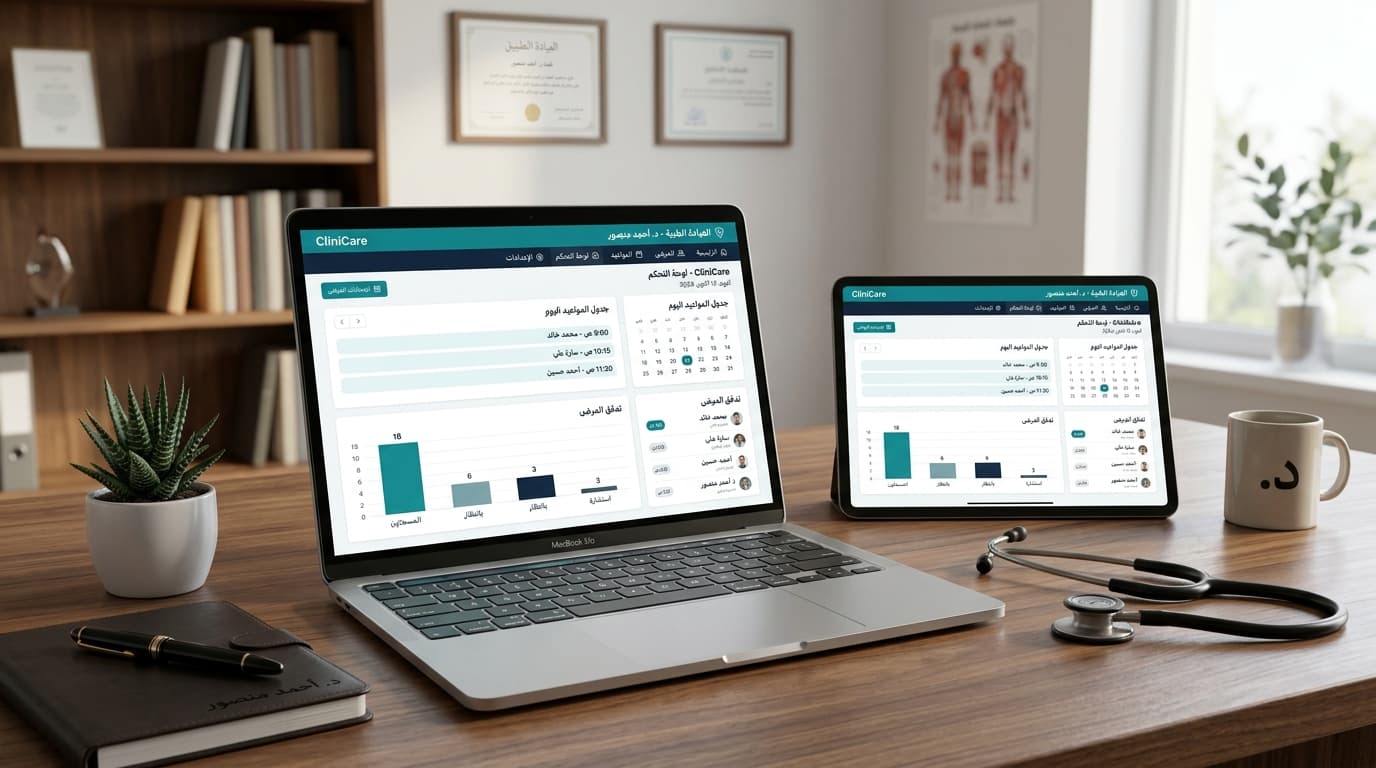
- Unified Calendar View: Administrators can view the schedules of all doctors, rooms, and equipment across all branches from a single dashboard. This allows for intelligent scheduling, minimizing wait times and maximizing resource utilization.
- Patient Self-Service: Patients can book, reschedule, or cancel appointments online (e.g., via a patient portal linked to TabeebPlus's appointment features), reducing the administrative burden on front-desk staff. Automated reminders further decrease no-show rates.
- Optimized Doctor & Room Allocation: The software can intelligently suggest appointment slots based on doctor availability, specialty, location, and even patient preference, ensuring that resources are always used efficiently. This is especially crucial for specialized equipment or high-demand specialists that might serve multiple branches.
- Cross-Location Referrals: If a patient needs to see a specialist at another branch, the system facilitates direct scheduling and seamless transfer of relevant information, improving the patient experience.
What are the advantages of centralized appointment management for large medical centers?
Centralized appointment management offers several key advantages for enterprise medical centers:
- Increased Efficiency: Reduces manual effort, phone calls, and potential for human error in scheduling.
- Better Resource Utilization: Ensures doctors, examination rooms, and specialized equipment are optimally booked across all locations.
- Improved Patient Experience: Provides convenience through online booking and reduces wait times, fostering loyalty.
- Reduced No-Shows: Automated reminders significantly cut down on missed appointments, improving clinic revenue and operational flow.
- Enhanced Data for Planning: Provides comprehensive data on appointment trends, peak times, and resource demand for better strategic planning.
Centralized Medical Inventory and Pharmacy Management
For medical centers with multiple branches, managing medical supplies, consumables, and pharmaceuticals is a significant operational and financial undertaking. Disparate inventory systems can lead to stockouts, expired products, and excessive holding costs. A centralized medical inventory system addresses these challenges directly.
- Real-time Stock Visibility: Gain a comprehensive, real-time overview of inventory levels across all branches. This allows administrators to know exactly what supplies are available at which location.
- Automated Reordering: Set predefined reorder points for critical supplies. The system can automatically generate purchase orders when stock falls below these thresholds, preventing stockouts and ensuring continuity of care.
- Expiry Date Tracking: Proactive alerts for expiring medications and supplies help minimize waste and ensure patient safety by preventing the use of outdated products.
- Inter-Branch Transfers: Easily manage the transfer of supplies between branches based on need, optimizing inventory distribution and reducing the need for emergency purchases.
- Cost Control: Identify slow-moving items, negotiate better bulk pricing with suppliers, and reduce carrying costs by optimizing stock levels across the entire organization.
- Pharmacy Integration: For centers with in-house pharmacies, the software can integrate prescription management, dispensing, and inventory tracking, ensuring accuracy and efficiency.
Efficient Staff and Resource Allocation
Beyond clinical staff, a multi-branch system assists in managing all human resources and physical assets. This includes:
- Provider Scheduling: Managing shifts, rotations, and leave for a large team of healthcare professionals across different locations.
- Task Assignment: Delegating administrative, clinical, or maintenance tasks to staff members and tracking their completion.
- Performance Monitoring: Tracking key performance indicators (KPIs) for staff and branches, facilitating data-driven decisions for training and improvement.
- Equipment Management: Tracking the location, maintenance schedules, and utilization of medical equipment across the network.
Financial Acumen: Integrated Billing and Comprehensive Reporting
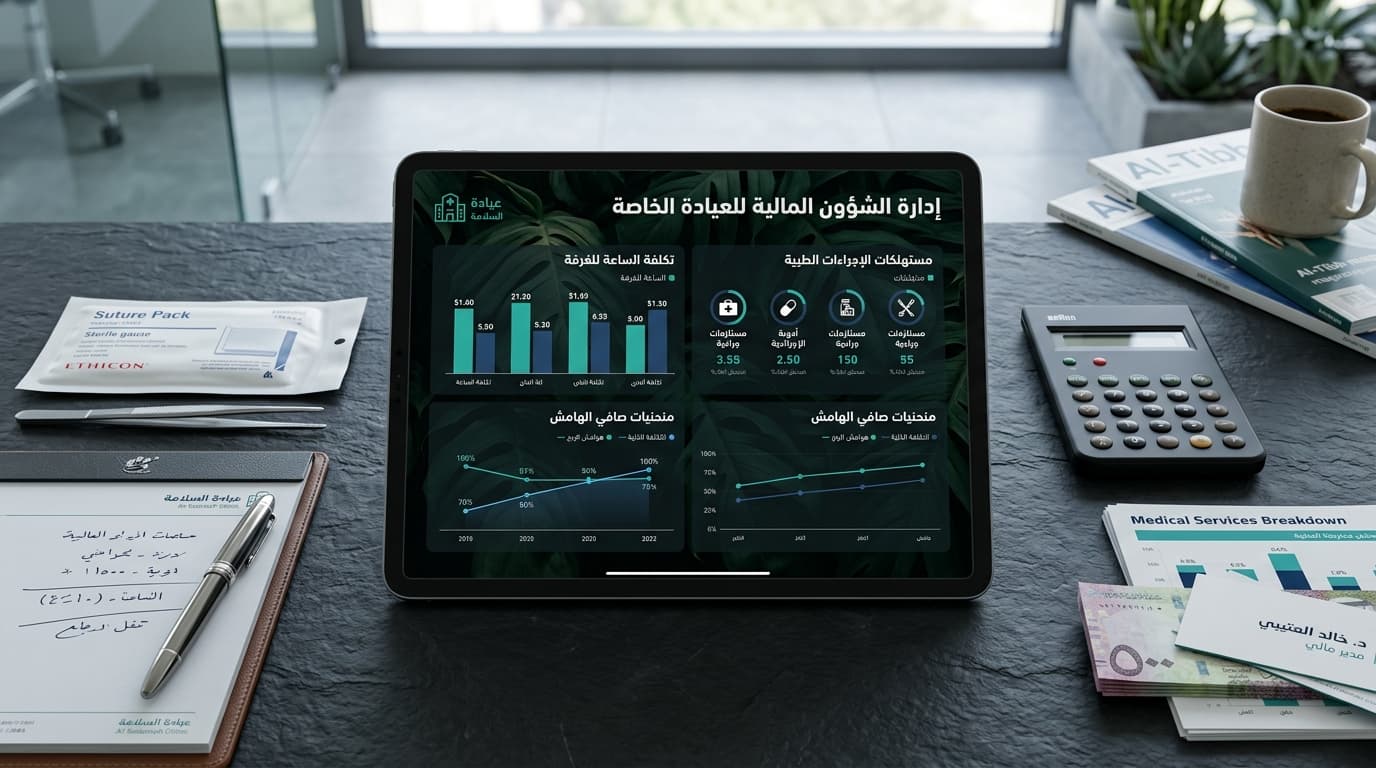
Financial management in a multi-branch healthcare setting is inherently complex. Disparate billing systems, inconsistent pricing, and fragmented revenue reporting can lead to significant revenue leakage, compliance issues, and an inability to gauge the true financial health of the organization. This is where the power of an integrated billing report system within a robust clinic management software becomes evident.
The Challenges of Disparate Financial Systems
Without a unified system, enterprise medical centers often face:
- Billing Errors: Manual data entry, inconsistent coding, and lack of real-time patient eligibility checks lead to rejected claims and delayed payments.
- Revenue Leakage: Missed charges, under-coding, and inefficient collections processes result in lost revenue.
- Compliance Risks: Difficulty in adhering to evolving insurance regulations and government billing mandates across multiple locations.
- Fragmented Reporting: Generating a consolidated financial picture requires tedious manual aggregation of data from various sources, often leading to outdated or inaccurate insights.
- Poor Cash Flow Management: Delays in billing and collections negatively impact the organization's cash flow, hindering operational stability and growth.
The Power of Integrated Billing and Reporting
A multi-branch system centralizes all financial operations, from patient registration to claim submission and payment processing. This integration provides:
- Accurate Invoicing and Claims Processing: Automated coding, real-time insurance verification, and electronic claim submission accelerate the billing cycle and reduce claim rejections.
- Faster Reimbursements: Streamlined processes ensure claims are submitted correctly and promptly, leading to quicker payments from insurance providers.
- Reduced Revenue Leakage: The system captures all services rendered, applies correct pricing, and tracks outstanding balances, ensuring that the organization is fully compensated for its services.
- Comprehensive Financial Overview: Generate consolidated financial reports across all branches, providing a clear, real-time picture of the entire organization's financial performance.
- Detailed Analytics: Access granular data on revenue per branch, service line profitability, physician contribution, insurance company performance, and patient payment trends. This empowers strategic decision-making and identifies areas for improvement.
- Payment Gateway Integration: Facilitates easy and secure online payments for patients, improving convenience and accelerating collections.
How does multi-branch clinic software enhance financial reporting for large medical centers?
Multi branch clinic software significantly enhances financial reporting for enterprise medical centers by:
- Consolidating Data: Aggregating all financial transactions (charges, payments, adjustments) from every branch into a single, centralized database.
- Real-time Insights: Providing up-to-the-minute dashboards and reports on revenue, expenses, profitability, and cash flow across the entire network.
- Customizable Reporting: Allowing administrators to generate specific reports, such as P&L statements per branch, service line profitability analysis, physician productivity reports, and insurance claim aging reports.
- Identifying Trends: Enabling the identification of financial trends, revenue opportunities, cost centers, and potential areas of financial risk.
- Ensuring Compliance: Facilitating easier auditing and ensuring adherence to accounting standards and healthcare billing regulations.
Comparison Table: Manual vs. Software-Driven Operations in Multi-Branch Clinics
| Feature | Manual/Disparate Systems | Multi-Branch Clinic Software (e.g., TabeebPlus) |
|---|---|---|
| Patient Records (EMR) | Fragmented, paper-based, or separate digital files per branch. High risk of errors and incomplete histories. | Unified medical records EMR accessible across all branches in real-time. Enhanced patient safety and continuity of care. |
| Appointment Scheduling | Separate calendars, manual booking, phone-intensive. High no-show rates, resource conflicts. | Centralized, online scheduling with automated reminders. Optimized resource allocation, reduced no-shows. |
| Inventory Management | Disparate tracking, manual counts, stockouts/overstocking, high waste. | Centralized medical inventory with real-time tracking, automated reordering, expiry date alerts. Cost-efficient and safe. |
| Billing & Collections | Manual invoicing, slow claims processing, high error rates, fragmented financial reports. Revenue leakage. | Integrated billing report generation, automated claims, faster reimbursements, comprehensive financial overview. Improved cash flow. |
| Reporting & Analytics | Time-consuming manual aggregation, often outdated or inaccurate. Limited strategic insights. | Real-time dashboards, customizable reports across all branches. Data-driven decision-making for growth and efficiency. |
| Patient Engagement | Limited patient interaction beyond appointments. | Patient portals for online booking, record access, secure communication, and personalized care. |
| Scalability | Difficult and costly to add new branches or services. | Designed for growth, easy to onboard new branches, users, and services with minimal disruption. |
| Data Security & Compliance | Vulnerable to breaches, difficult to enforce consistent security policies across locations. | Robust, centralized security protocols, audit trails, and compliance features (e.g., HIPAA, regional data laws). |
Enhancing Patient Experience and Engagement
In today's competitive healthcare market, patient experience is as crucial as clinical outcomes. A multi-branch clinic management software solution plays a pivotal role in creating a seamless, convenient, and engaging patient journey across all touchpoints.
- Patient Portals: Empower patients with secure online access to their medical records, lab results, appointment history, and billing statements. They can also update their personal information, request prescription refills, and communicate securely with their healthcare providers. This self-service capability enhances transparency and convenience.
- Online Appointment Booking and Management: As mentioned, allowing patients to book, reschedule, or cancel appointments through a user-friendly online portal significantly improves convenience and reduces administrative burden. This feature, often integrated with the TabeebPlus platform, provides flexibility for patients.
- Automated Reminders and Follow-ups: Automated SMS or email reminders for appointments, medication refills, or follow-up visits reduce no-shows and ensure patients adhere to their treatment plans.
- Personalized Communication: The centralized EMR allows for more personalized and targeted communication with patients, whether it's health education materials, preventive care reminders, or post-visit instructions tailored to their specific conditions.
- Feedback Mechanisms: Integrated survey tools allow medical centers to collect patient feedback across all branches, identify areas for improvement, and enhance service quality consistently.
By streamlining administrative tasks and offering convenient digital touchpoints, the software frees up staff to focus more on direct patient interaction, ultimately fostering stronger patient-provider relationships and improving overall satisfaction and loyalty.
Data Security, Compliance, and Scalability for Future Growth
For enterprise medical centers, particularly those operating across different regions, data security and regulatory compliance are non-negotiable. Furthermore, any chosen solution must be capable of evolving with the organization's growth.
Robust Data Security Measures
Cloud-based clinic management software, like TabeebPlus, employs state-of-the-art security protocols to protect sensitive patient data:
- Encryption: Data is encrypted both in transit (e.g., TLS/SSL) and at rest, safeguarding it from unauthorized access.
- Access Controls: Role-based access ensures that staff can only view and modify information relevant to their specific job functions.
- Audit Trails: Comprehensive audit logs track every action performed within the system, providing accountability and a clear record of data access.
- Regular Backups and Disaster Recovery: Cloud solutions include automated, frequent data backups and robust disaster recovery plans to ensure business continuity and data availability even in unforeseen circumstances.
- Physical Security: Data centers housing cloud infrastructure adhere to stringent physical security measures, including biometric access, 24/7 surveillance, and environmental controls.
Ensuring Regulatory Compliance
Operating in multiple regions means navigating a complex web of healthcare regulations. A sophisticated multi branch clinic software helps maintain compliance with:
- International Standards: Adherence to global best practices for data privacy and security, such as GDPR and HIPAA. Explore WHO guidelines on digital health.
- Regional Regulations: Compliance with specific local requirements in the Arab world, Egypt, KSA (e.g., National Health Information Exchange, Saudi Data & AI Authority), and UAE (e.g., Malaffi in Abu Dhabi, NABIDH in Dubai) regarding patient data storage, sharing, and interoperability.
- Billing and Coding Standards: Ensuring that all financial transactions adhere to local insurance and government billing codes.
Scalability and Future-Proofing
As enterprise medical centers continue to grow, their chosen software must be able to scale effortlessly. Cloud-based solutions offer inherent scalability advantages:
- Adding New Branches: Easily onboard new clinic locations, integrate their operations, and extend access to the centralized system with minimal setup time and cost.
- Increased User Capacity: Accommodate a growing number of users (doctors, nurses, administrative staff) without performance degradation.
- New Services and Specialties: The flexible architecture allows for the integration of new medical specialties, services, or diagnostic capabilities as the center expands its offerings.
- Technological Advancements: Cloud providers continuously update their infrastructure and software, ensuring the system remains current with the latest security patches, features, and technological innovations, future-proofing the investment.
This ensures that the initial investment in a clinic management software continues to deliver value and support the organization's strategic growth objectives for years to come.
Frequently Asked Questions (FAQ)
What are the key considerations when choosing multi-branch clinic software?
When selecting multi branch clinic software, key considerations include scalability, robust data security and compliance features (especially for regional regulations like those in KSA or UAE), comprehensive EMR integration, centralized appointment and inventory management, powerful financial reporting capabilities (e.g., integrated billing report), ease of use, and strong vendor support tailored to the healthcare sector in the Arab world. Compatibility with existing hardware and the ability to customize workflows are also important.
Can TabeebPlus integrate with existing systems?
Yes, TabeebPlus is designed with interoperability in mind. As a modern cloud-based platform, it offers APIs and integration capabilities to connect with various third-party systems, such as laboratory information systems (LIS), radiology information systems (RIS), and external accounting software, ensuring a cohesive digital ecosystem for your enterprise medical centers. Specific integration capabilities can be discussed during a demo.
How does multi-branch software improve patient safety?
Multi branch clinic software significantly improves patient safety by providing a unified medical records EMR accessible across all locations. This ensures that every healthcare provider has immediate access to a complete patient history, including allergies, current medications, and past diagnoses. This reduces the risk of medical errors, drug interactions, and redundant tests, fostering more accurate diagnoses and safer treatment plans.
What kind of ROI can enterprise medical centers expect from implementing such a system?
Enterprise medical centers can expect a substantial return on investment (ROI) from implementing comprehensive multi branch clinic software. This includes reduced operational costs due to streamlined workflows, optimized inventory management, and lower administrative overhead. Increased revenue comes from fewer missed appointments, more accurate billing, faster claims processing, and improved patient retention. Enhanced data for strategic decision-making also contributes to long-term growth and profitability.
Is data security guaranteed with cloud-based clinic management software?
Leading cloud-based clinic management software providers like TabeebPlus implement advanced security measures that often surpass what individual clinics can achieve on-premises. This includes end-to-end encryption, robust access controls, regular security audits, redundant backups, and compliance with international and regional data protection standards. While no system is entirely impervious, cloud solutions are engineered for high levels of data security and privacy.
How does it support regional compliance in the Arab world, Egypt, KSA, and UAE?
TabeebPlus is specifically developed with the regulatory landscape of the Arab world, Egypt, KSA, and UAE in mind. This means features are designed to align with local data residency requirements, billing codes, and health information exchange initiatives (e.g., Malaffi in UAE, NHIE in KSA). The software helps medical centers meet these mandates, reducing compliance risks and facilitating smooth operations within these specific markets.
Can TabeebPlus handle different specialties within one multi-branch setup?
Absolutely. TabeebPlus is built to be flexible and robust, supporting a wide array of medical specialties within a single multi branch clinic software deployment. It allows for customizable workflows, templates, and reporting specific to each specialty, while still maintaining the centralized patient records and administrative oversight critical for enterprise medical centers.
Conclusion: The TabeebPlus Advantage
The operational demands on large medical centers and enterprise medical centers are continually escalating. Fragmented systems and manual processes are no longer sustainable in an era that demands efficiency, precision, and patient-centric care. The strategic adoption of a comprehensive multi branch clinic software is not merely an upgrade; it is a fundamental transformation that underpins clinical excellence, administrative prowess, and financial stability.
By providing unified medical records EMR, streamlining operations through centralized scheduling and centralized medical inventory, and