Executive Summary: The 7-Step Framework delivers an actionable operational roadmap for medical practices to eliminate reception chaos, cut patient wait times by 50%, and empower physicians to deliver focused clinical care.
Table of Contents
- 1. Why Medical Practices Require a Standardized Operational Framework
- 2. Step 1: Digital Pre-Registration & Patient Intake
- 3. Step 2: Intelligent Triage & Interactive Queue Management
- 4. Step 3: Rapid Clinical Charting & Template Standardization
- 5. Step 4: Digital E-Prescribing & Instant Printing
- 6. Step 5: Point-of-Sale Billing & Automated Reconciliation
- 7. Step 6: Digital Post-Care Instructions & Follow-up Protocols
- 8. Step 7: Continuous KPI Review & Workflow Auditing
- 9. Comparison Matrix: Traditional vs Digitally Optimized Clinic
- 10. Seamlessly Executing the Framework with Tabeeb+ Desktop
1. Why Medical Practices Require a Standardized Operational Framework
Unstructured clinic workflows generate reception chaos, physician documentation fatigue, and patient dissatisfaction. Without a standardized operational protocol, every patient consultation becomes a friction-filled process.
The 7-Step Framework transforms daily healthcare delivery into a seamless, predictable digital assembly. Learn more in our Clinic Automation Guide.
2. Step 1: Digital Pre-Registration & Patient Intake
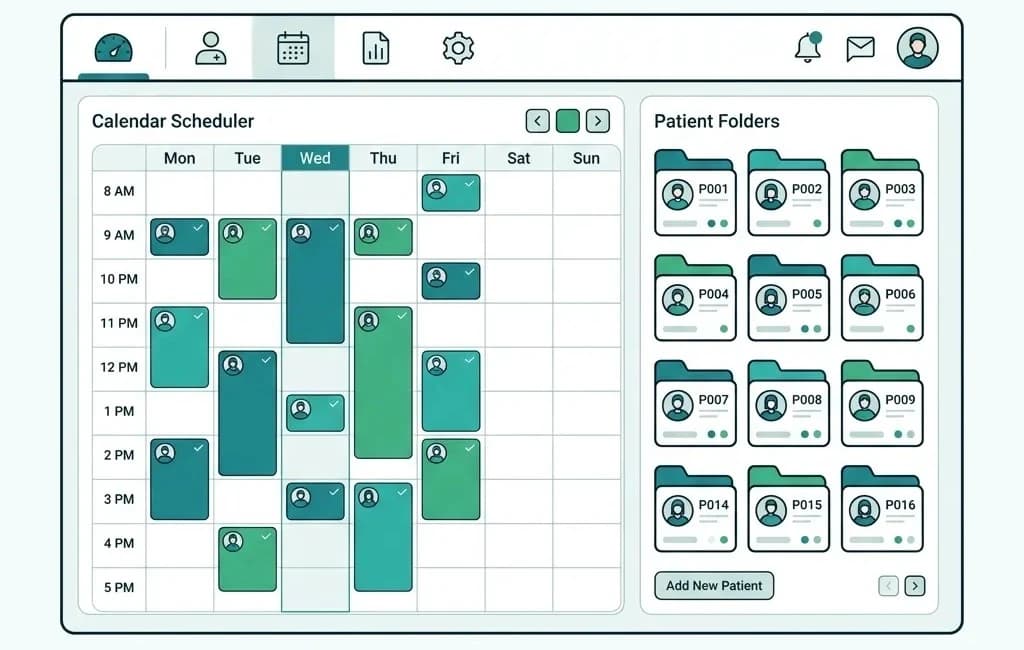
Patient experience begins at intake. By capturing demographics, emergency contacts, and chief medical history digitally at reception, practices eliminate redundant paper forms and storage bottlenecks.
Intake records immediately hydrate the central database, powering your Patient Management System.
3. Step 3: Intelligent Triage & Interactive Queue Management
Managing walk-ins alongside pre-booked appointments demands dynamic queue control. Interactive queue monitors prioritize patients based on arrival time, triage severity, and required diagnostic prep.
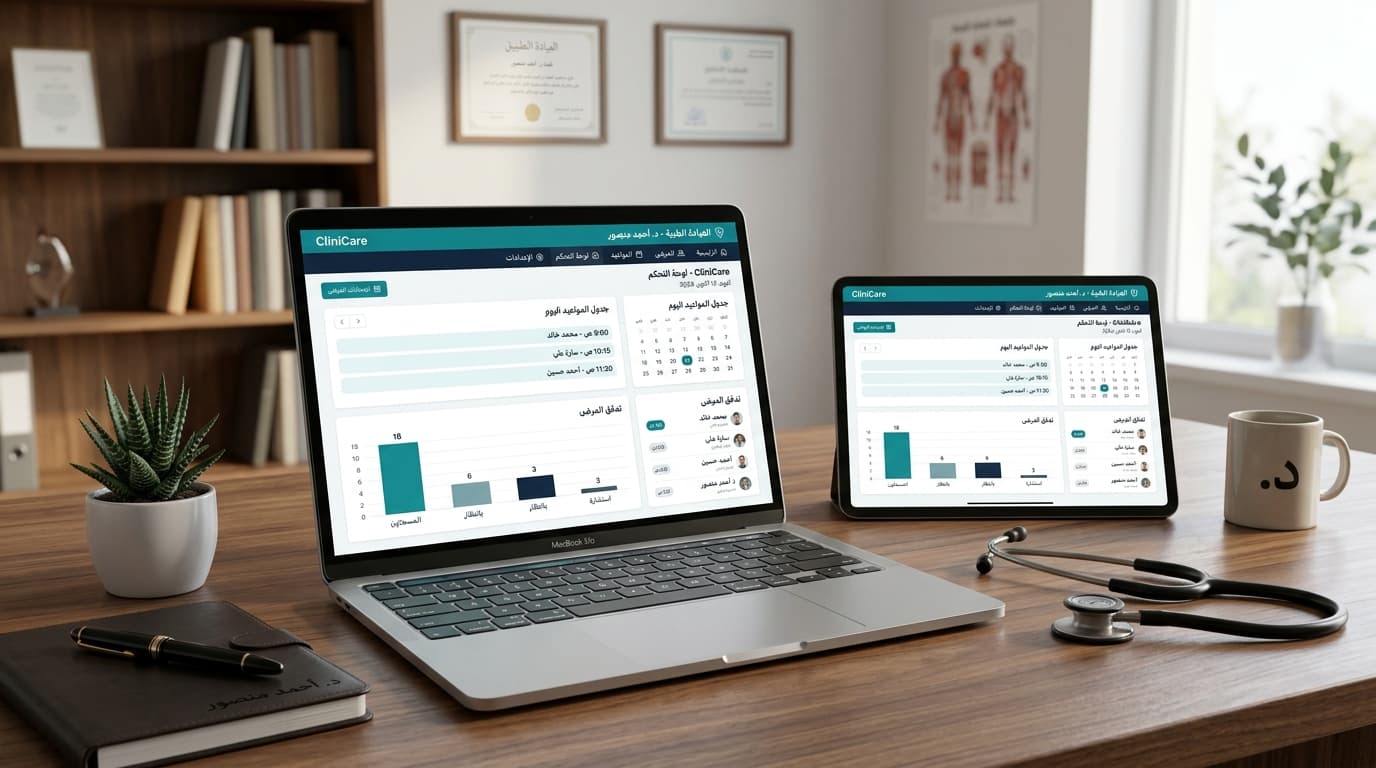
4. Step 4: Rapid Clinical Charting & Template Standardization
Documentation represents the primary friction point during consultations. By standardizing specialty templates within EMR Software, doctors record symptoms and findings in clicks rather than minutes.
5. Step 5: Digital E-Prescribing & Instant Printing
Replacing handwritten scripts with digital prescription builders prevents pharmacy misinterpretations and drug interaction risks. Customized templates print cleanly onto branded clinic letterhead in seconds.
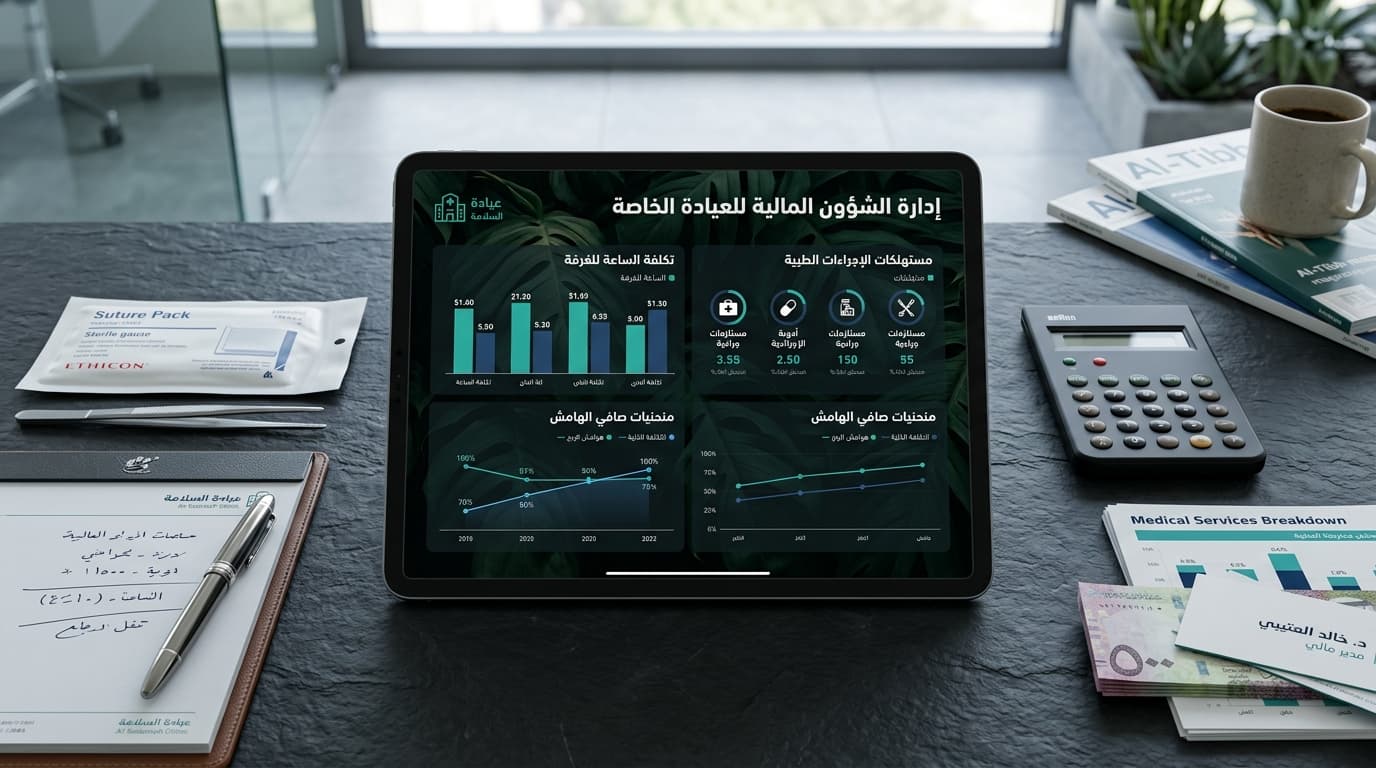
6. Step 6: Point-of-Sale Billing & Automated Reconciliation
As consultations wrap, rendered procedures and consumables populate checkout invoices automatically, ensuring accurate payment capture without manual entry errors. Review operational metrics at Clinic KPI Benchmarks.
7. Step 7: Digital Post-Care Instructions & Follow-up Protocols
Providing structured digital care plans and automated visit reminders enhances patient compliance and drives clinical outcome success.
8. Step 8: Continuous KPI Review & Workflow Auditing
Weekly audits of waiting times, daily consultation throughput, and financial collection accuracy enable continuous operational refinements.
9. Comparison Matrix: Traditional vs Digitally Optimized Clinic
| Operational Criteria | Traditional Paper Clinic | Digitally Optimized Clinic |
|---|---|---|
| Average Wait Time | 45 - 90 mins of waiting room anxiety | 15 - 25 mins of structured throughput |
| Physician Charting Time | 8 - 12 mins of handwritten logging | 2 - 3 mins via smart templates |
| Billing Accuracy | Vulnerable to unbilled procedures | 100% reconciled digital invoicing |
| Patient Follow-Up Retention | Manual or nonexistent | Automated multi-channel reminders |
10. Seamlessly Executing the Framework with Tabeeb+ Desktop
Tabeeb+ Desktop was engineered as the operational engine for healthcare providers implementing this 7-step framework. Explore our full platform capabilities at TabeebPlus Best Clinic Software.