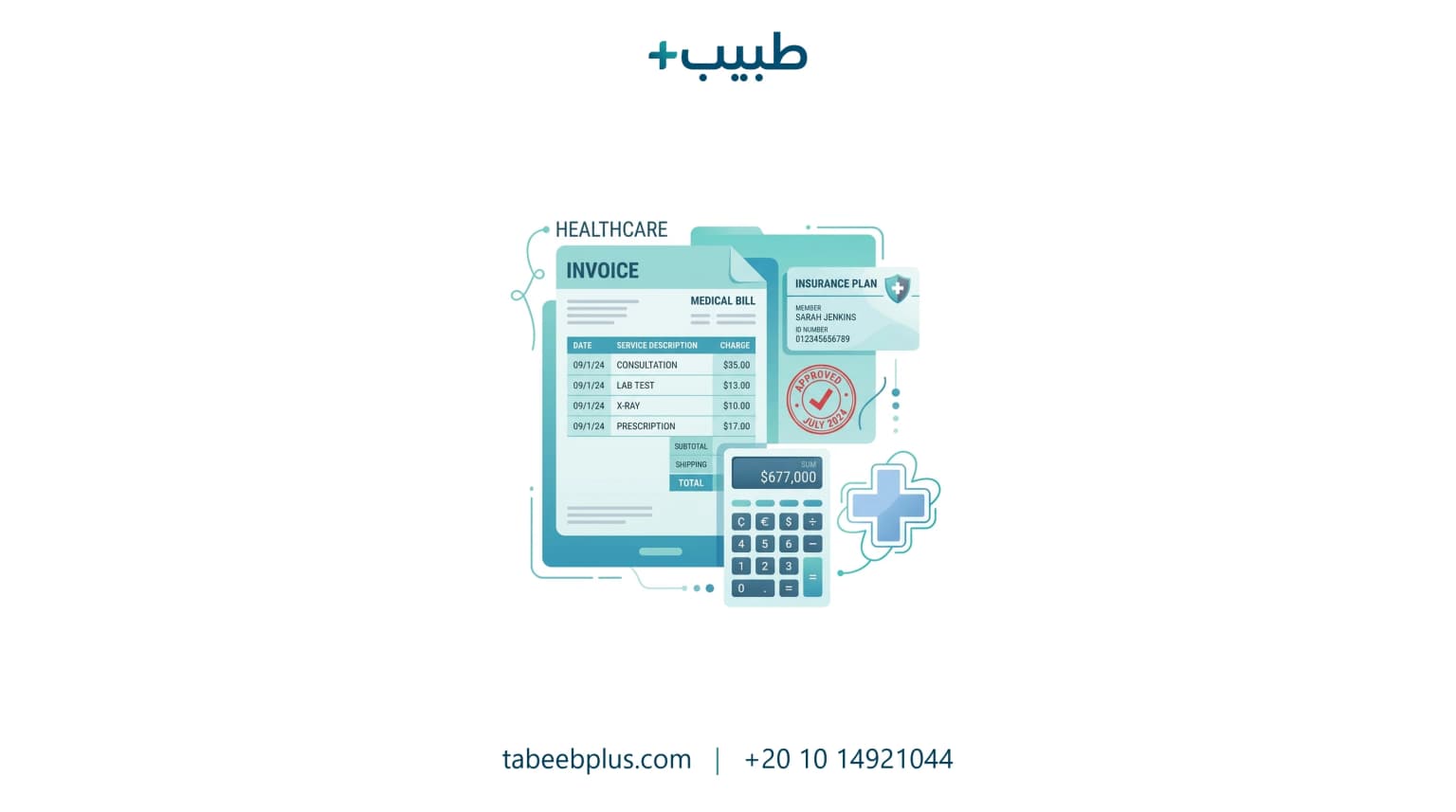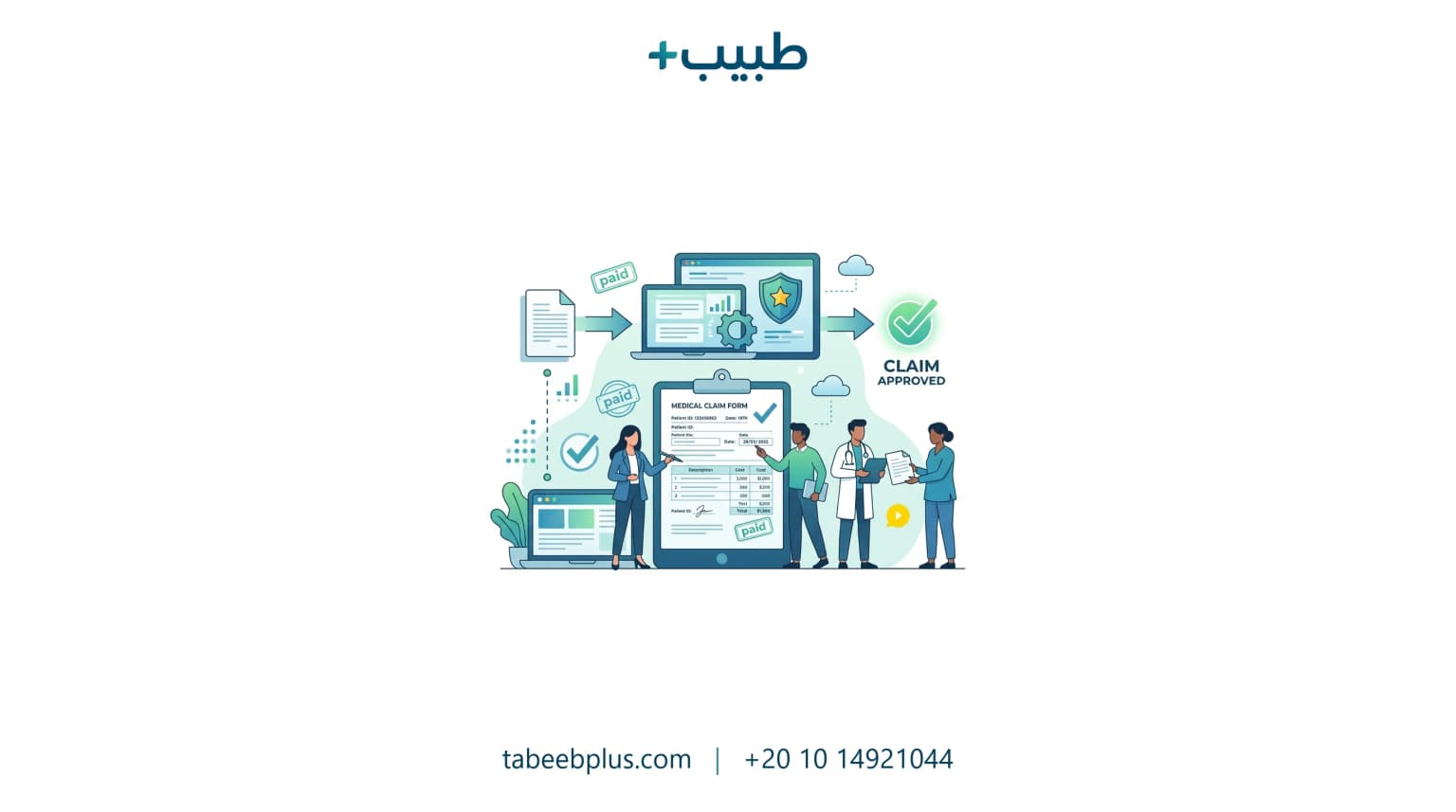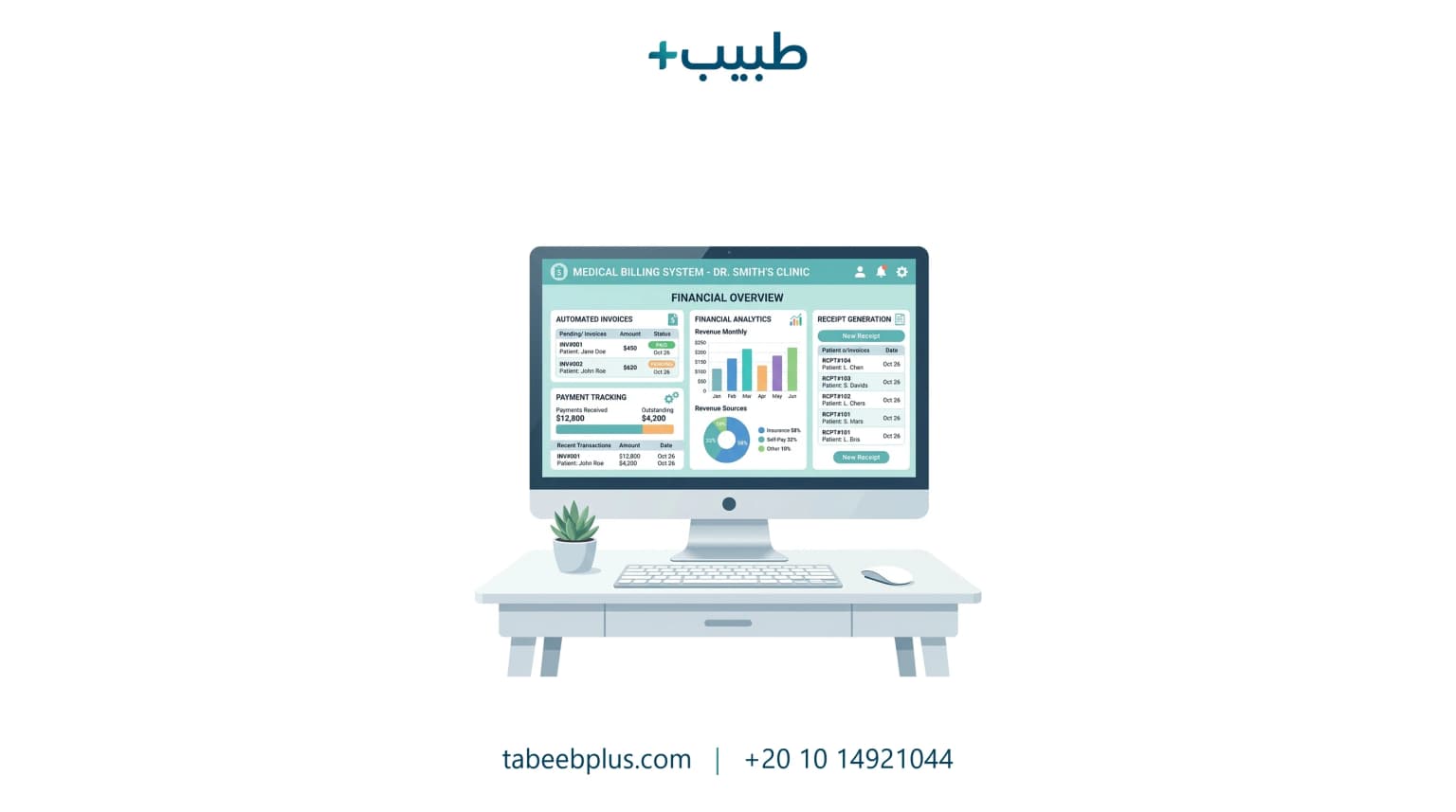
In the complex and highly regulated world of healthcare, precision and transparency in financial operations are not merely best practices; they are absolute necessities. The integrity of a medical practice hinges significantly on its billing processes, and at the heart of maintaining this integrity lies the often-underestimated power of a robust medical billing audit trail. This digital logbook meticulously records every action, modification, and access event related to a patient’s billing information, providing an irrefutable timeline of financial activity. For clinics navigating the intricate web of insurance claims, patient payments, and regulatory scrutiny, a comprehensive audit trail is the cornerstone of regulatory compliance, a formidable defense against financial fraud, and an indispensable tool for operational accountability. Tabeeb Plus, a leading cloud-based practice management system, integrates sophisticated audit trail capabilities to empower healthcare providers, ensuring that every billing interaction is meticulously documented and easily retrievable, thereby safeguarding both the practice's reputation and its financial health.
Table of Contents
- The Imperative of Medical Billing Audit Trails in Modern Healthcare
- Core Components and Functionality of an Effective Audit Trail System
- Mitigating Risks: Compliance, Fraud Prevention, and Error Correction
- Implementing and Leveraging Audit Trails with Tabeeb Plus
- Frequently Asked Questions (FAQ)
- Conclusion: Fortifying Your Practice with Tabeeb Plus Audit Trails
The Imperative of Medical Billing Audit Trails in Modern Healthcare
The healthcare landscape is perpetually evolving, marked by increasing regulatory complexity, heightened demands for data security, and an unfortunate rise in medical billing fraud. In this environment, a mere record of transactions is insufficient. What healthcare organizations truly need is an immutable, detailed account of who did what, when, and why within their billing systems. This is precisely the role of an audit trail in healthcare – a chronological, tamper-proof record that tracks every modification to billing data, from initial service entry to final payment reconciliation.
What Constitutes a Medical Billing Audit Trail?
At its core, a medical billing audit trail is a security-relevant chronological record, set of records, and/or destination and source of records that provide documentary evidence of the sequence of activities that have affected at any time a specific operation, procedure, event, or transaction. In the context of medical billing, this translates to tracking:
- User logins and logouts.
- Creation, modification, or deletion of patient demographic information.
- Entry, modification, or deletion of CPT/ICD codes for services rendered.
- Changes to charge amounts, discounts, or adjustments.
- Submission status changes for insurance claims.
- Payment posting and allocation.
- Refund processing.
- Access to patient billing logs and financial records.
Each entry in the audit trail typically includes a timestamp, the identity of the user who performed the action, the specific action taken, and often the old and new values of any changed data fields. This level of detail creates an undeniable chain of custody for all billing-related data.
Why Audit Trails Are Essential for Clinic Compliance and Financial Integrity
The necessity of robust audit trails extends far beyond mere record-keeping. They are fundamental to:
- Ensuring Regulatory Compliance: Healthcare is one of the most regulated industries globally. Regulations such as HIPAA (Health Insurance Portability and Accountability Act) mandate strict controls over patient data, including financial information. An effective audit trail demonstrates adherence to these billing regulatory standards by providing verifiable proof of data access and modification controls.
- Preventing and Detecting Fraud: Without an audit trail, it becomes incredibly difficult to identify fraudulent activities like upcoding (billing for a more expensive service than performed), unbundling (billing separately for services usually covered by a single code), or phantom billing (billing for services never rendered). The detailed logs act as a deterrent and a critical investigative tool for medical fraud prevention.
- Improving Accuracy and Accountability: Billing errors, whether accidental or intentional, can lead to claim denials, revenue loss, and even legal repercussions. Audit trails foster a culture of accountability among staff, knowing that their actions are recorded. They also provide a clear pathway for identifying the source of errors and implementing corrective measures efficiently.
- Enhancing Transparency and Trust: For patients, an audit trail offers transparency regarding their billing statements, allowing practices to confidently address patient queries or disputes by referencing immutable records. For payers, it builds trust, signaling a commitment to ethical billing practices.
The proactive implementation of a sophisticated medical billing audit trail system is therefore not an optional luxury but a strategic imperative for any modern healthcare practice aiming for sustained success and unwavering compliance.
Core Components and Functionality of an Effective Audit Trail System
An effective medical billing audit trail system is more than just a simple log; it is a sophisticated mechanism designed to capture, store, and present critical data in an intelligible and secure manner. Understanding its core components and functionality is key to appreciating its value in maintaining a compliant and financially sound practice.
Key Data Points Captured by a Comprehensive Audit Trail
The true power of an audit trail lies in the granularity of the data it captures. A robust system will meticulously record the following information for every billing-related event:
- User Identity: Who performed the action? (e.g., specific staff member, system administrator). This ensures accountability.
- Timestamp: When did the action occur? (Date and time, often down to the second). This provides a precise chronological sequence.
- Action Performed: What specific operation took place? (e.g., "created claim," "modified charge," "deleted payment," "accessed patient record").
- Object Affected: Which specific record or data point was involved? (e.g., Claim ID, Patient ID, specific CPT code line item).
- Old Value vs. New Value: For any modification, what was the data before the change, and what is it now? This is crucial for understanding the impact of changes and for forensic analysis.
- Source/Location: Where did the action originate? (e.g., IP address, specific module within the software).
- Result of Action: Was the action successful or did it fail? (e.g., "Claim submitted successfully," "Payment posting failed").
This detailed logging ensures that every step in the billing process is transparent and traceable, providing an unparalleled level of insight into a practice's financial operations.
How Audit Trails Track the Entire Billing Lifecycle
A comprehensive audit trail in healthcare should seamlessly integrate with the entire billing lifecycle, offering end-to-end visibility. This includes:
- Patient Registration & Scheduling: Tracking the creation or modification of patient demographics, insurance information, and appointment details, all of which directly impact billing. (See how Tabeeb Plus streamlines appointments).
- Clinical Documentation & Coding: Logging when services are documented in the EMR and subsequently coded. Changes to diagnostic or procedural codes are particularly sensitive and must be tracked. (Learn more about Tabeeb Plus's integrated EMR capabilities).
- Charge Entry & Claim Generation: Recording the entry of charges, the creation of claims, and any subsequent edits to these claims before submission.
- Claim Submission & Tracking: Documenting the submission of claims to payers, tracking their status (e.g., submitted, accepted, denied, paid), and any resubmissions.
- Payment Posting & Adjustments: Logging the receipt of payments from payers or patients, the posting of these payments, and any adjustments made to patient accounts (e.g., write-offs, discounts).
- Denial Management & Appeals: Tracking the entire process of addressing denied claims, including the actions taken to appeal and resubmit.
By monitoring these critical stages, the audit trail provides a complete narrative of each billing event, crucial for both compliance and operational efficiency.
Integration with EMR and Practice Management Systems
The true power of an audit trail is unleashed when it is seamlessly integrated within a holistic practice management system. Modern solutions like Tabeeb Plus offer integrated modules where the audit trail functions across various aspects of clinic operations. For instance, an action initiated in the EMR module that affects billing (e.g., adding a new procedure code) should be logged by the billing audit trail. Similarly, changes made directly within the Billing module are comprehensively recorded.
This integration ensures a unified approach to data integrity and security, preventing information silos and providing a single source of truth for all patient and financial data. It allows practices to leverage the full benefit of their clinic compliance software, streamlining workflows while simultaneously enhancing security and accountability.
Comparison Table: Manual vs. Automated Audit Trails
To highlight the advantages of modern, automated audit trail systems, let's compare them with traditional, manual methods.
| Feature/Aspect | Manual Audit Trail (e.g., Paper Logs, Manual Spreadsheets) | Automated Audit Trail (Integrated Software like Tabeeb Plus) |
|---|---|---|
| Data Capture | Inconsistent, prone to human error, often incomplete. Relies on staff diligence. | Automatic, comprehensive, captures granular details (user, timestamp, old/new values). |
| Security & Tamper-Proofing | Highly susceptible to manipulation, loss, or intentional alteration. No inherent security. | Encrypted, time-stamped, immutable records. Difficult to alter without detection. |
| Accessibility & Retrieval | Time-consuming to search, compile, and analyze. Data silos common. | Instantaneous search and reporting, centralized access, easy to generate compliance reports. |
| Compliance Assurance | Difficult to prove compliance due to lack of verifiable data. High risk of non-compliance. | Provides verifiable evidence of adherence to regulatory standards (e.g., HIPAA). |
| Fraud Detection | Extremely challenging to detect patterns of fraud; often discovered post-factum or by chance. | Proactive detection capabilities, identifies suspicious activities and unauthorized access patterns. |
| Resource Burden | Requires significant staff time for manual logging, verification, and storage. | Automates logging, freeing up staff for patient care and other critical tasks. |
| Scalability | Becomes unmanageable as practice grows, leading to bottlenecks and errors. | Scales effortlessly with practice growth, maintaining data integrity and performance. |
This comparison clearly illustrates why modern healthcare practices cannot afford to rely on manual methods for such a critical function. Automated systems provide the necessary reliability, security, and efficiency that manual processes simply cannot match.
Mitigating Risks: Compliance, Fraud Prevention, and Error Correction
The primary value proposition of a robust medical billing audit trail lies in its unparalleled ability to mitigate significant risks that healthcare practices face daily. These risks span regulatory non-compliance, financial fraud, and the pervasive challenge of billing errors.
Ensuring Regulatory Compliance with Billing Regulatory Standards
Healthcare providers operate under a strict regulatory framework designed to protect patient privacy, ensure data security, and prevent abuse. Adherence to these billing regulatory standards is non-negotiable, and failure to comply can result in severe penalties, including hefty fines, legal action, and reputational damage. Key regulations include:
- HIPAA (Health Insurance Portability and Accountability Act): This U.S. federal law sets national standards for protecting sensitive patient health information (PHI). While often associated with clinical data, HIPAA also governs the security and privacy of billing information. An audit trail provides concrete evidence of adherence to HIPAA's Security Rule requirements, particularly regarding access control, integrity controls, and audit controls. It logs every instance of access or modification to electronic PHI (ePHI) within the billing system, demonstrating due diligence in protecting sensitive financial and health data. For more information on HIPAA compliance, refer to the U.S. Department of Health & Human Services HIPAA Resources.
- Local and Regional Healthcare Regulations: Beyond federal mandates, practices must also comply with specific state, provincial, or regional regulations concerning data privacy, billing practices, and financial reporting. A flexible audit trail system can be configured to meet these varied requirements, providing the necessary documentation for audits and reviews by regulatory bodies.
By meticulously documenting all billing activities, an audit trail serves as an indispensable tool during compliance audits, allowing practices to quickly retrieve and present verifiable evidence of their commitment to regulatory adherence.
Medical Fraud Prevention: Identifying and Deterring Malicious Activities
Medical fraud prevention is a critical concern for both payers and providers. Fraudulent billing practices not only cost billions of dollars annually but also erode public trust in the healthcare system. An advanced medical billing audit trail acts as a powerful deterrent and detection mechanism against various forms of fraud:
- Upcoding: Billing for a more complex or expensive service than what was actually provided. An audit trail can flag sudden, unexplained changes in coding patterns by a specific user or for certain patient types.
- Unbundling: Billing separately for services that are typically grouped together and covered by a single code. The trail can reveal instances where components of a bundled service are consistently billed individually.
- Phantom Billing: Billing for services that were never rendered or for patients who never received care. An audit trail can expose discrepancies between services documented in the EMR and services billed, or identify claims submitted for non-existent patient encounters.
- Duplicate Billing: Billing for the same service multiple times. The chronological logging makes it easier to spot repeated claims for the same date of service and patient.
- Unauthorized Access or Manipulation: The audit trail identifies any attempts at unauthorized access to billing systems or suspicious modifications made outside of standard operating procedures, which could indicate internal fraud attempts.
In cases of suspected fraud, the audit trail provides the forensic data necessary to conduct thorough investigations, pinpointing the responsible party and the extent of the fraudulent activity. This capability is invaluable for protecting the practice from financial losses and legal liabilities.
Error Correction and Dispute Resolution with Patient Billing Logs
Even in the most diligent practices, billing errors can occur. These might stem from data entry mistakes, misinterpretations of coding guidelines, or issues with insurance verification. Such errors can lead to claim denials, delayed payments, and patient dissatisfaction. The availability of detailed patient billing logs, powered by a robust audit trail, significantly streamlines the process of error correction and dispute resolution:
- Root Cause Analysis: When a claim is denied, the audit trail allows staff to trace back every step of its creation and submission. They can identify precisely where and when an error was introduced (e.g., incorrect code entry, wrong insurance ID, missing modifier), facilitating a swift correction.
- Claim Appeals: For denied claims that require an appeal, the audit trail provides irrefutable evidence of the billing process, supporting documentation, and any corrective actions taken. This strengthens the appeal, increasing the likelihood of a successful reconsideration by the payer.
- Patient Queries and Disputes: Patients occasionally question charges on their statements. With a comprehensive audit trail, practice staff can quickly pull up the exact history of charges, payments, and adjustments for that patient. This transparency allows for clear explanations, resolves disputes amicably, and reinforces patient trust.
- Internal Audits and Training: Regular review of audit trails can help identify recurring errors or areas where staff may need additional training, leading to continuous improvement in billing accuracy and efficiency.
By transforming every billing interaction into a verifiable data point, the medical billing audit trail becomes an indispensable asset for ensuring accuracy, maintaining compliance, and ultimately safeguarding the financial health and reputation of the healthcare practice.
Implementing and Leveraging Audit Trails with Tabeeb Plus
Choosing the right technology partner is paramount when integrating advanced compliance and security features into a medical practice. Tabeeb Plus stands out as a comprehensive cloud-based solution designed to meet the rigorous demands of modern healthcare, offering a superior medical billing audit trail system as a core component of its robust platform.
Choosing the Right Clinic Compliance Software
The market is flooded with various software solutions, but selecting effective clinic compliance software requires careful consideration. Key factors include:
- Comprehensive Functionality: Does the software cover all aspects of practice management, from scheduling and EMR to billing and reporting?
- Robust Audit Capabilities: Does it offer a detailed, tamper-proof audit trail that logs all critical actions across modules?
- Security and Data Integrity: Are there strong encryption, access controls, and backup protocols in place to protect sensitive patient and financial data?
- Ease of Use and Integration: Is the interface intuitive for staff, and does it integrate seamlessly with existing workflows?
- Scalability and Support: Can the software grow with your practice, and is reliable customer support available?
Tabeeb Plus excels in all these areas, providing a unified platform that simplifies operations while enhancing compliance and security.
Tabeeb Plus’s Comprehensive Medical Billing Audit Trail Features
Tabeeb Plus is engineered with compliance and security at its forefront, offering an advanced medical billing audit trail that meticulously tracks every relevant event. Our system ensures:
- Granular Event Logging: Every action, from creating a new patient record to modifying a claim line item, is logged with precise details: user ID, timestamp, action type, and specific data changes (old vs. new values).
- Immutable Records: Once an entry is made in the audit trail, it cannot be altered or deleted, providing an unalterable history crucial for forensic analysis and compliance verification.
- Role-Based Access Control: Tabeeb Plus integrates audit trails with a sophisticated role-based access control system. This means only authorized personnel can perform specific billing actions, and every access attempt, successful or failed, is logged.
- Searchable and Reportable Data: Our system allows for quick and efficient searching of audit logs based on various parameters (user, date range, action type, patient ID), enabling rapid generation of compliance reports and investigation of discrepancies.
- Cross-Module Tracking: The audit trail extends across all integrated modules, ensuring that actions taken in the EMR, Appointments, or Billing modules that impact financial data are all captured within a unified log.
This comprehensive approach ensures that practices using Tabeeb Plus have a complete and verifiable record of all billing activities, significantly strengthening their compliance posture and defense against fraud.
Benefits for Practice Efficiency and Financial Health
Beyond compliance and security, leveraging Tabeeb Plus's audit trail capabilities brings tangible benefits to a practice's operational efficiency and financial well-being:
- Streamlined Audits: When faced with an internal or external audit, the ability to quickly pull up comprehensive, verifiable audit logs saves countless hours and reduces stress.
- Reduced Claim Denials: By identifying the root cause of errors through audit trail analysis, practices can implement targeted training and process improvements, leading to fewer claim denials and faster reimbursement.
- Enhanced Revenue Cycle Management: The transparency provided by detailed logs allows for better monitoring of the entire revenue cycle, helping to identify bottlenecks and optimize financial workflows.
- Improved Staff Accountability: Knowing that actions are logged fosters a greater sense of responsibility among staff, reducing the likelihood of errors and unauthorized activities.
- Better Patient Relations: Transparent billing records enable practices to address patient queries and disputes with confidence and clarity, enhancing trust and satisfaction.
- Proactive Risk Management: Regular review of audit trails can help identify emerging patterns of risk or potential vulnerabilities before they escalate into major issues.
Furthermore, Tabeeb Plus also integrates with modern communication tools like WhatsApp integrations, which, while not directly part of the billing audit trail, contribute to overall practice efficiency and patient engagement, indirectly supporting a smoother billing process by improving communication around appointments and payment reminders.
By choosing Tabeeb Plus, healthcare providers are not just adopting a software system; they are investing in a secure, compliant, and highly efficient future for their practice. Our platform provides the tools necessary to navigate the complexities of modern healthcare billing with confidence and peace of mind.
Frequently Asked Questions (FAQ)
What exactly is a medical billing audit trail and why is it important?
A medical billing audit trail is a detailed, chronological record of every action, modification, and access event related to a patient's billing information within a healthcare system. It tracks who did what, when, and why. Its importance lies in ensuring regulatory compliance (e.g., HIPAA), preventing financial fraud, identifying and correcting billing errors, and providing transparency for both internal accountability and patient disputes. It serves as irrefutable evidence of billing activities.
How does an audit trail help in preventing medical fraud?
An audit trail is a powerful tool for medical fraud prevention because it logs all changes to billing data. This allows practices to detect suspicious activities such as upcoding, unbundling, or phantom billing by identifying unusual patterns, unauthorized modifications, or discrepancies in service entries. By providing a clear history of all transactions, it acts as a deterrent to fraudulent behavior and provides the necessary forensic data for investigations when fraud is suspected.
Is a medical billing audit trail required by law?
While specific regulations may vary by region, general healthcare compliance standards, such as HIPAA in the U.S., implicitly require robust audit capabilities. HIPAA's Security Rule mandates "audit controls" to record and examine activity in information systems that contain or use electronic protected health information (ePHI), which includes billing data. Therefore, a comprehensive medical billing audit trail is essential for demonstrating adherence to these crucial regulatory standards and avoiding potential penalties.
What kind of information does Tabeeb Plus's medical billing audit trail capture?
Tabeeb Plus's comprehensive medical billing audit trail captures granular details for every billing-related event. This includes the identity of the user who performed the action, a precise timestamp, the specific action taken (e.g., "created claim," "modified charge," "posted payment"), the object affected (e.g., Claim ID, Patient ID), and crucially, the old and new values for any changed data fields. This level of detail ensures complete transparency and traceability across the entire billing lifecycle.
How does Tabeeb Plus integrate its audit trail with other practice management functions?
Tabeeb Plus is designed as an integrated cloud-based platform. Its audit trail seamlessly extends across various modules, including EMR, Appointments, and Billing. This means that any action initiated in one module that impacts billing data (e.g., adding a new procedure code in the EMR, canceling an appointment that affects a billable service) is captured and logged within the unified audit trail. This cross-module tracking ensures a consistent and comprehensive record of all relevant activities.
Can an audit trail help with denied claims and patient disputes?
Absolutely. For denied claims, the audit trail allows staff to trace every step of the claim's creation and submission, pinpointing exactly where an error might have occurred (e.g., incorrect coding, missing information). This facilitates swift correction and strengthens appeals with verifiable documentation. In patient disputes, the detailed billing logs provide transparent, irrefutable evidence of charges, payments, and adjustments, allowing practices to address queries confidently and resolve issues amicably, building patient trust.
Is the Tabeeb Plus audit trail tamper-proof?
Yes, security and data integrity are paramount for Tabeeb Plus. The audit trail is designed to be immutable, meaning once an entry is recorded, it cannot be altered or deleted. This ensures the integrity and reliability of the historical data, making it a trustworthy source for compliance audits, fraud investigations, and internal reviews. All records are time-stamped and securely stored, providing an unalterable chain of events.
Conclusion: Fortifying Your Practice with Tabeeb Plus Audit Trails
The journey through the intricate world of healthcare invoicing demands more than just efficient processing; it requires unwavering commitment to compliance, transparency, and security. A robust medical billing audit trail is not merely a feature but a foundational pillar upon which a resilient and reputable healthcare practice is built. It serves as your first line of defense against regulatory scrutiny, a vigilant guardian against financial fraud, and an indispensable tool for ensuring the accuracy and integrity of every patient interaction.
By meticulously documenting every action within your billing system, an advanced audit trail empowers your practice with unparalleled accountability and peace of mind. It transforms potential liabilities into verifiable assets, safeguarding your revenue cycle and bolstering patient trust. In an era where data security and regulatory adherence are paramount, investing in a sophisticated audit trail is an investment in your practice’s long-term stability and success.
Tabeeb Plus understands these critical needs and delivers a comprehensive, cloud-based practice management system that seamlessly integrates powerful audit trail capabilities across its entire platform. From appointment scheduling and EMR documentation to intricate billing processes, Tabeeb Plus ensures that every critical action is meticulously logged, secure, and easily retrievable. Elevate your practice's compliance, enhance its financial integrity, and streamline its operations with a partner dedicated to your success.