How Clinic Software Elevates Patient Experience and Booking Workflows
In the highly competitive healthcare landscape of the Middle East, particularly across Egypt, Saudi Arabia, and the United Arab Emirates, medical practices are undergoing a profound digital transformation. Patient care is no longer evaluated solely by clinical outcomes; the administrative journey—from the moment a patient searches for a specialist to the post-consultation follow-up—plays an equally decisive role. Implementing a robust, cloud-based clinic management software is no longer a luxury reserved for large-scale hospital networks. It has become an operational necessity for private clinics and polyclinics striving to meet modern patient expectations.
This comprehensive guide explores how integrating advanced digital solutions into your medical practice optimizes administrative efficiency while directly improving patient experience, streamlining workflows, and maximizing clinic revenue.
Table of Contents
- 1. The Modern Patient Journey: Shifting Expectations in Healthcare
- 2. Streamlining the Entry Point: Online Booking Systems for Clinics
- 3. Proactive Engagement: The Power of Automated Patient Reminders
- 4. Minimizing Friction: How to Reduce Patient Wait Time with Digital Queues
- 5. Optimizing Capacity: Clinic Wait List Software and Smart Scheduling
- 6. Legacy Systems vs. Modern Cloud-Based Software: A Detailed Comparison
- 7. Compliance and Localization in the MENA Region
- 8. Frequently Asked Questions (FAQs)
1. The Modern Patient Journey: Shifting Expectations in Healthcare
The relationship between healthcare providers and patients has shifted from a traditional, paternalistic model to a consumer-centric one. Today’s patients navigate their healthcare choices with the same digital-first mindset they use for online banking, e-commerce, and ride-hailing. They expect immediacy, transparency, and personalization. When a medical practice relies on manual booking logs, paper charts, or slow-moving legacy systems, it introduces friction points that alienate tech-savvy patients.
From a clinical and administrative perspective, every friction point—such as a busy phone line, a prolonged waiting room stay, or a missed follow-up—increases patient anxiety and decreases retention rates. Conversely, when a clinic utilizes an integrated clinic management software, it unifies the clinical, financial, and administrative touchpoints into a single, cohesive ecosystem. This integration ensures that the patient feels valued, informed, and respected at every stage of their care journey.
"Patient experience is not merely about hospitality; it is an intrinsic component of healthcare quality. Smooth administrative workflows reduce cognitive load on patients, directly contributing to better clinical compliance and improved health outcomes."
By prioritizing digital workflows, clinics can systematically eliminate the administrative bottlenecks that lead to staff burnout and patient dissatisfaction. Let us examine how specific digital tools transform these critical operational areas.
2. Streamlining the Entry Point: Online Booking Systems for Clinics
The patient journey begins long before the patient steps into the examination room. It starts with the booking process. Traditional phone-based booking is highly inefficient. It limits scheduling to standard operating hours, forces patients to wait on hold, and consumes valuable hours of front-desk labor that could be better spent welcoming patients in person.
Implementing a modern online booking system clinics trust resolves these operational inefficiencies by transferring control to the patient. This digital gateway offers several strategic advantages:
- 24/7 Accessibility: Statistics show that over 40% of medical appointments are booked outside of standard business hours. An online portal allows patients to schedule appointments late at night or early in the morning, capturing booking opportunities that would otherwise be lost.
- Real-Time Availability: Direct integration with the doctor's digital calendar ensures that patients only see accurate, up-to-the-minute openings. This eliminates the risk of double bookings and scheduling conflicts.
- Customizable Booking Rules: Advanced systems allow clinics to set specific parameters for different appointment types. For example, a new patient consultation might automatically be allocated 30 minutes, while a routine follow-up is scheduled for 15 minutes.
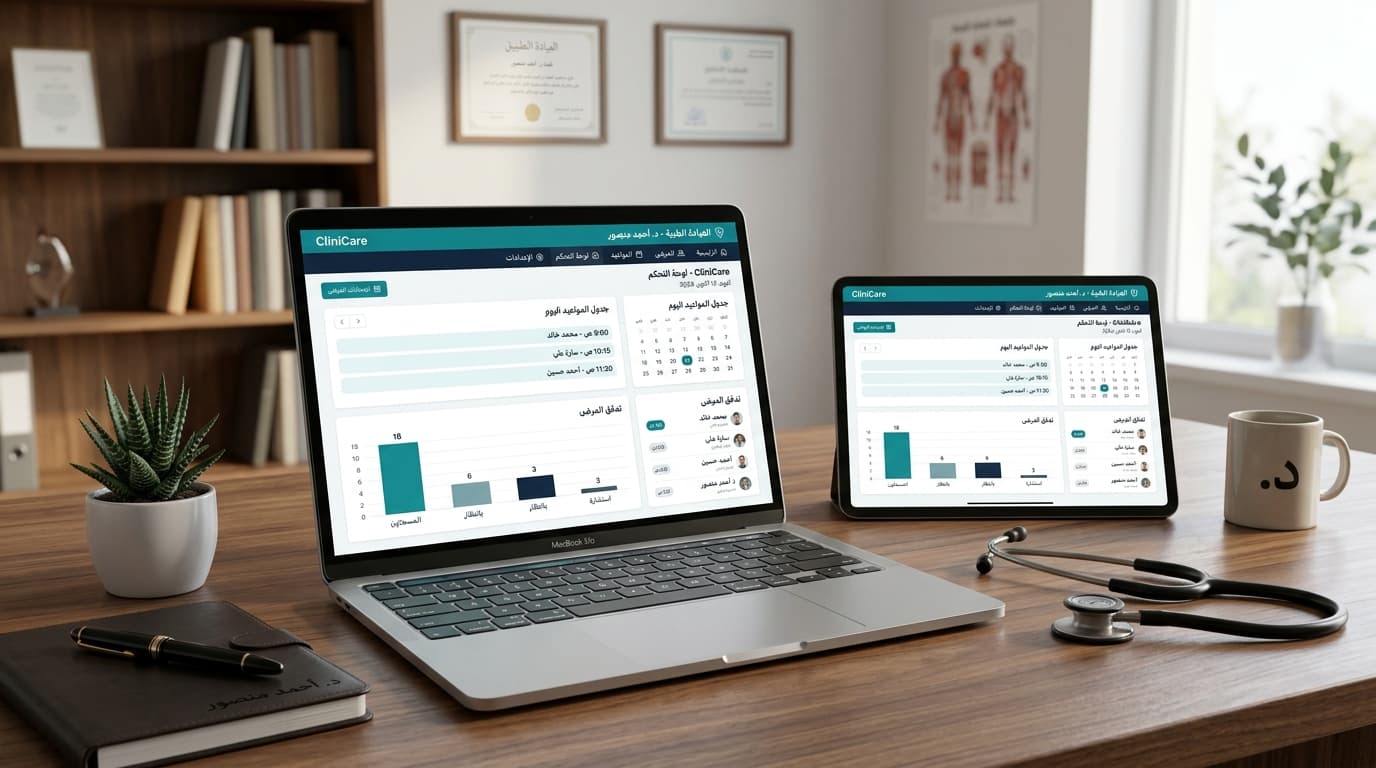
By embedding a secure, user-friendly booking widget on your website or social media channels, you provide a frictionless entry point that appeals directly to modern patients. To experience how a seamless booking workflow can transform your practice, explore the streamlined appointment scheduling system offered by TabeebPlus.
3. Proactive Engagement: The Power of Automated Patient Reminders
One of the most persistent operational drains on outpatient clinics is the "no-show" phenomenon. When a patient fails to appear for a scheduled appointment without prior notice, it results in lost revenue, idle clinical staff, and missed opportunities for other patients who require urgent care.
Leveraging automated patient reminders is the most effective clinical strategy to mitigate this issue. Instead of requiring receptionists to spend hours manually calling patients to confirm appointments, the software automatically dispatches personalized notifications via SMS, email, or instant messaging platforms like WhatsApp—which is exceptionally popular across the Arab world.
How Do Automated Reminders Optimize Clinic Efficiency?
These automated communications are designed to guide patients through their pre-appointment steps without administrative intervention:
- Immediate Confirmation: As soon as an appointment is booked, the patient receives a confirmation message containing the date, time, clinician’s name, and clinic location.
- Pre-Appointment Instructions: If a clinical procedure requires specific preparation—such as fasting for a blood test or arriving with a full bladder for an ultrasound—the system automatically appends these instructions to the reminder.
- Interactive Confirmation Prompts: Reminders can include simple interactive prompts, such as "Reply 1 to Confirm or 2 to Reschedule." If a patient cancels, the slot is instantly freed up in the system calendar.
By automating this workflow, clinics can reduce their no-show rates by up to 75%, directly protecting their bottom line while ensuring that clinical schedules remain highly optimized.
4. Minimizing Friction: How to Reduce Patient Wait Time with Digital Queues
Prolonged waiting times are consistently cited as the primary driver of negative patient reviews. In traditional setups, patients arrive, check in at the desk, and sit in a crowded waiting room with little to no information about when they will be seen. This lack of transparency breeds frustration and heightens anxiety.
To reduce patient wait time and improve satisfaction, modern clinic systems incorporate digital queue management and real-time tracking. This technology transforms the waiting experience in several ways:
The Mechanics of Digital Queue Management
When a patient arrives at the clinic, they check in via a digital kiosk or a mobile application. The system instantly assigns them a unique queue number and places them in a virtual queue. The patient can monitor their progress in real-time on wall-mounted displays in the clinic or directly on their smartphones.
If a doctor is running behind schedule due to a complex clinical case, the system can automatically send an SMS alert to upcoming patients, advising them to delay their arrival by 20 or 30 minutes. This proactive communication respects the patient's time, prevents waiting room overcrowding, and fosters a culture of transparency and mutual respect.
For practices looking to implement these advanced patient flow strategies, contacting a specialized technology provider is the first step. You can reach out to our team directly through the TabeebPlus Contact Page to discuss custom queue management integrations for your clinic.
5. Optimizing Capacity: Clinic Wait List Software and Smart Scheduling
Even with automated reminders, last-minute cancellations are inevitable. In a manual system, a cancellation often results in an empty time slot, as staff rarely have the time to manually call back-logged patients to offer them the newly opened slot.
This is where intelligent clinic wait list software becomes invaluable. When a preferred time slot is fully booked, patients are given the option to join a digital waitlist. If an active booking is cancelled or rescheduled, the software automatically scans the waitlist and sends an automated notification to the eligible patients, offering them the open slot on a first-come, first-served basis.
Strategic Benefits of Automated Waitlists
- Revenue Protection: Empty slots are filled automatically, ensuring the clinic operates at peak capacity without manual administrative effort.
- Improved Access to Care: Patients who require urgent consultations can secure earlier appointments when cancellations occur, improving clinical outcomes.
- Reduced Administrative Burden: Front-desk staff are spared from manually cross-referencing paper waitlists and calling patients individually.
Through smart scheduling algorithms, the software balances the workload among clinicians, prevents overbooking, and ensures that the clinic’s physical resources are utilized to their maximum potential.
6. Legacy Systems vs. Modern Cloud-Based Software: A Detailed Comparison
Many clinics in the MENA region still rely on localized, on-premise legacy software or manual paper systems. While these methods may feel familiar, they severely limit a clinic's scalability, security, and ability to deliver a modern patient experience.
The following table highlights the operational differences between legacy systems and modern, cloud-based solutions like TabeebPlus:
| Operational Feature | Legacy / Manual Systems | Modern Cloud-Based Software (TabeebPlus) |
|---|---|---|
| Appointment Booking | Manual entry, restricted to clinic opening hours via phone calls. | 24/7 online self-scheduling integrated with real-time calendars. |
| Patient Reminders | Manual phone calls by staff, often missed or forgotten. | Automated SMS, email, and WhatsApp notifications with interactive confirmations. |
| Waitlist Management | Paper-based lists, requiring manual phone calls to fill cancellations. | Automated waitlist matching and instant digital slot offering. |
| Queue Tracking | No visibility; patients wait indefinitely in crowded waiting rooms. | Real-time virtual queues accessible via mobile devices or clinic screens. |
| Data Accessibility | Locked to a single local server; inaccessible outside the clinic. | Secure cloud access from any device, anywhere, at any time. |
| Data Security & Backups | Vulnerable to physical theft, hardware failure, and data loss. | Encrypted cloud storage, automated daily backups, and strict compliance. |
By transitioning to a cloud-based model, clinics eliminate the high upfront costs of local servers, reduce IT maintenance hassles, and gain a scalable platform that grows alongside their practice.
7. Compliance and Localization in the MENA Region
When selecting a clinic management software, healthcare providers must ensure that the platform complies with regional healthcare regulations and cultural nuances. In Saudi Arabia, compliance with the National Data Management Authority (NDMA) guidelines is vital. In the UAE, adherence to federal laws regarding health data privacy (such as those governing ICT in healthcare) is mandatory. Similarly, clinics must follow global standards like the U.S. Department of Health and Human Services HIPAA guidelines to protect sensitive patient information.
Key localized features that a premium Middle Eastern clinic software must offer include:
- Bilingual Interface: Seamless switching between Arabic and English for both the administrative staff and the patient-facing booking portals.
- Local SMS Gateway Integration: Reliable delivery of automated patient reminders through local telecom providers in Egypt, KSA, and the UAE.
- VAT Compliance: Fully localized invoicing systems that automatically calculate local taxes (such as the 15% VAT in Saudi Arabia or 5% VAT in the UAE) to ensure seamless financial auditing.
Choosing a platform built specifically for the Arab world ensures that your clinic remains fully compliant with local laws while delivering a culturally relevant patient experience.
8. Frequently Asked Questions (FAQs)
What is the primary benefit of clinic management software?
The primary benefit is the centralization of clinical, administrative, and financial workflows. By unifying electronic health records (EHR), online booking, automated reminders, and billing into a single cloud-based platform, clinics can reduce administrative errors, lower operational costs, and significantly improve the overall patient experience.
How does an online booking system clinics use prevent double bookings?
A modern online booking system is directly synchronized in real-time with the clinic's master calendar. When a patient schedules an appointment online, that specific time slot is instantly locked across all administrative and clinical views, making it impossible for another patient or staff member to book the same slot.
Are automated patient reminders compliant with data privacy laws?
Yes, provided the clinic management software uses secure communication channels and respects patient consent. Automated reminders typically contain minimal personal health information (PHI)—focusing only on the date, time, and clinic location—to ensure compliance with regional data privacy regulations and international standards like HIPAA.
Can clinic wait list software really improve clinic revenue?
Absolutely. Last-minute cancellations represent a significant source of lost revenue for medical practices. An automated waitlist system instantly identifies these open slots and offers them to patients waiting for an appointment, ensuring that clinical calendars remain fully booked without requiring manual outreach from your front-desk staff.
How does digital queue management help reduce patient wait time?
Digital queue management replaces physical waiting rooms with virtual queues. Patients can track their place in line via their smartphones or clinic screens, giving them the freedom to wait outside the clinic if they choose. It also allows administrative staff to identify bottlenecks in real-time and adjust patient flow accordingly.
Is TabeebPlus suitable for multi-specialty polyclinics?
Yes, TabeebPlus is engineered to support both individual private practices and complex, multi-specialty polyclinics. The platform allows administrators to manage multiple doctors, diverse clinical specialties, various insurance providers, and multiple physical branches from a single, centralized cloud dashboard.
Elevate Your Practice with TabeebPlus
Transforming your clinic's patient experience and booking workflows requires more than just incremental changes; it requires a powerful, intuitive, and secure technological foundation. TabeebPlus (طبيب+) is the leading cloud-based clinic management software in the Arab world, designed specifically to meet the unique operational and regulatory needs of healthcare providers in Egypt, Saudi Arabia, and the UAE.
By automating your scheduling, managing your virtual queues, sending localized patient reminders, and securing your clinical data, TabeebPlus empowers your medical team to focus on what truly matters: delivering exceptional patient care.