Establishing and nurturing a thriving medical clinic in Egypt presents a unique blend of opportunities and challenges. The dynamic healthcare landscape, coupled with a growing population and evolving patient expectations, demands a strategic and well-executed approach to operations. Effective medical clinic management is not merely about providing excellent patient care; it encompasses a holistic strategy that integrates regulatory compliance, operational efficiency, financial acumen, and cutting-edge technology. This guide offers practical insights for healthcare professionals aiming to navigate the complexities of the Egyptian market and build a clinic that stands out for its quality, efficiency, and patient satisfaction. Success in this competitive environment hinges on meticulous planning, continuous improvement, and a deep understanding of local nuances.
Table of Contents
Laying the Groundwork: Legal and Regulatory Compliance
The foundation of any successful clinic in Egypt is built upon strict adherence to local laws and regulations. Navigating the legal landscape can be complex, but it is non-negotiable for long-term sustainability and patient trust. Understanding the specific requirements set forth by the Egyptian Ministry of Health (MoH) and other relevant authorities is paramount.
Licensing and Registration
Before opening its doors, a clinic must obtain all necessary licenses. This process typically involves:
- MoH Approval: Securing initial approval from the Ministry of Health is the first critical step. This involves submitting detailed plans for the clinic's structure, services, and equipment.
- Facility Requirements: Ensuring your clinic space meets specific standards for size, ventilation, sanitation, and accessibility. These standards are rigorously enforced to guarantee patient safety and quality of care.
- Professional Licenses: All healthcare professionals working in the clinic, including physicians, nurses, and technicians, must possess valid licenses issued by their respective professional syndicates (e.g., Egyptian Medical Syndicate) and be registered with the MoH.
- Business Registration: Registering the clinic as a legal entity with the Commercial Registry and obtaining a tax ID.
It is advisable to consult with legal professionals specializing in Egyptian healthcare law to ensure a smooth and compliant registration process. Staying updated on any changes to these regulations is also vital for continuous compliance.
Location and Infrastructure Considerations
Choosing the right location goes beyond simple accessibility; it involves strategic planning that impacts patient flow and operational costs.
- Accessibility: Proximity to public transport, ample parking, and ease of access for patients with disabilities are crucial factors.
- Demographics: Analyze the local demographics to ensure your chosen location aligns with your target patient base and the specialized services you intend to offer.
- Infrastructure: Reliable electricity, water supply, and internet connectivity are essential for modern clinic operations. Consider backup power solutions, given potential infrastructure challenges in some areas.
- Lease Agreements: Carefully review lease agreements, ensuring they accommodate the specific needs of a medical facility, including provisions for renovations and long-term stability.
Optimizing Clinic Operations and Patient Experience
At the heart of a successful clinic lies an efficient operation that prioritizes the patient experience. Streamlining processes can significantly enhance patient satisfaction and overall clinic operational efficiency.
Streamlining Clinic Workflow
An optimized clinic workflow ensures that every step of a patient's journey, from arrival to departure, is smooth and efficient. This requires a detailed analysis of current processes and identifying bottlenecks.
- Patient Registration: Implement efficient digital registration processes to minimize paperwork and waiting times.
- Consultation Flow: Design consultation rooms and patient pathways to facilitate a logical and uninterrupted flow between different stages of care (e.g., waiting room, consultation, examination, lab/pharmacy).
- Inter-departmental Communication: Foster seamless communication between administrative staff, nurses, and doctors to ensure information is shared accurately and promptly.
- Post-Consultation Procedures: Standardize procedures for follow-up appointments, prescription dispensing, and billing to maintain consistency and efficiency.
Enhancing Patient Journey and Reducing Wait Times
Patient wait times are a major source of dissatisfaction. Proactive strategies to reduce patient wait times are critical for a positive patient experience and can significantly improve your clinic's reputation.
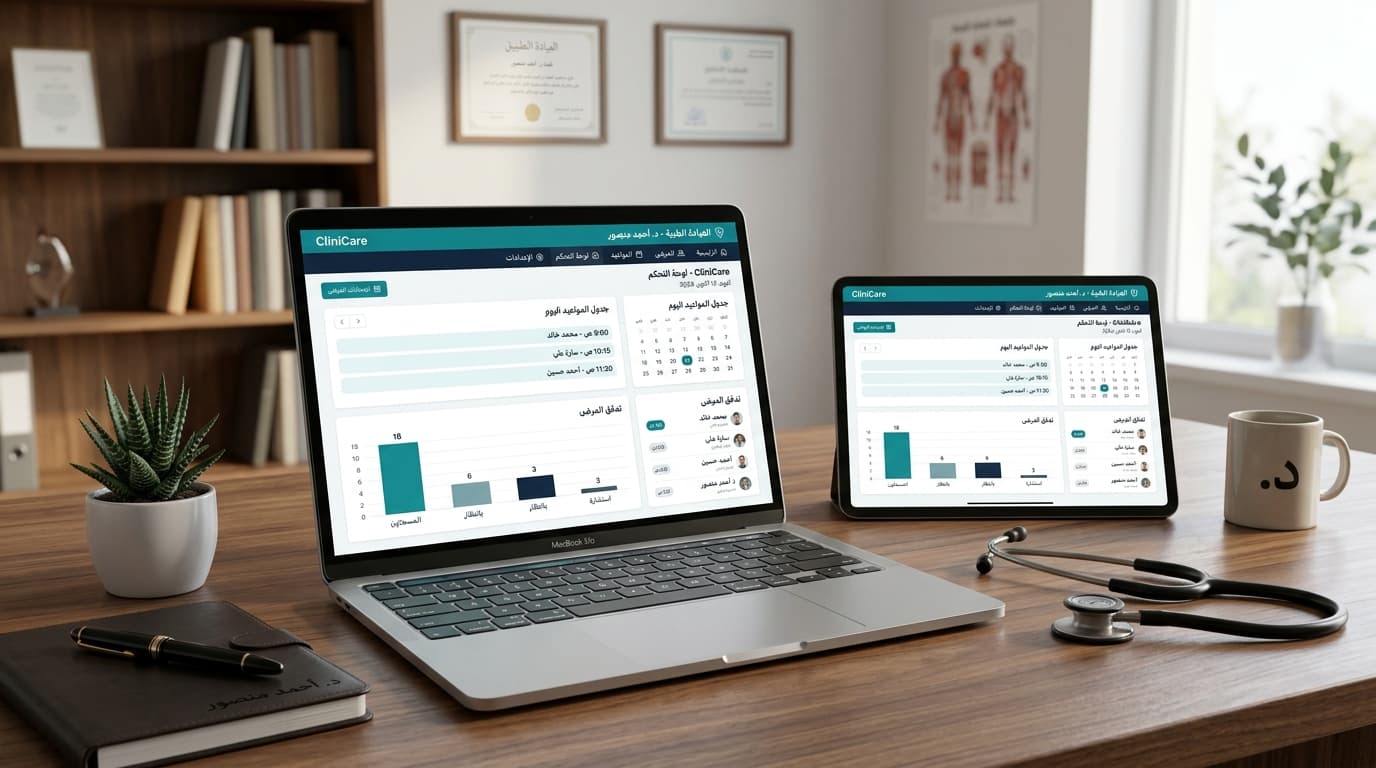
- Effective Appointment Scheduling: Implement robust appointment scheduling software that allows for flexible booking, minimizes overbooking, and sends automated reminders. Systems like Tabeeb Plus's appointment management system can be invaluable here.
- Patient Communication: Keep patients informed about any delays through digital signage, SMS, or direct communication from staff. Proactive communication manages expectations. Leveraging platforms like Tabeeb Plus's WhatsApp integrations can provide real-time updates and facilitate easy communication.
- Staffing Optimization: Ensure adequate staffing levels during peak hours and cross-train staff to handle multiple roles, improving flexibility.
- Pre-visit Preparation: Encourage patients to complete forms online before their visit to save time at the clinic.
Patient Communication and Engagement
Beyond reducing wait times, fostering clear and empathetic communication builds trust and loyalty.
- Clear Explanations: Doctors and staff should explain diagnoses, treatment plans, and medication instructions clearly and patiently.
- Feedback Mechanisms: Implement systems for collecting patient feedback, such as suggestion boxes, online surveys, or direct outreach. Use this feedback for continuous improvement.
- Digital Engagement: Utilize secure patient portals or dedicated communication channels for sharing lab results, appointment confirmations, and general health information.
Financial Health and Sustainable Practice Growth
A financially sound clinic is a sustainable one. Strategic financial management and proactive Practice Growth initiatives are essential for long-term success in Egypt.
Effective Billing and Insurance Management
Managing billing and insurance claims efficiently is crucial for revenue generation and avoiding financial leakages.
- Transparent Pricing: Clearly communicate service fees to patients upfront to avoid misunderstandings.
- Insurance Accreditation: Seek accreditation with major health insurance providers in Egypt to expand your patient base. Understand their specific billing requirements and claim submission processes.
- Automated Billing Systems: Implement a robust billing system that integrates with your EMR to streamline claim generation, payment processing, and financial reporting. This reduces errors and accelerates reimbursement.
- Debt Collection Policies: Establish clear and ethical policies for managing outstanding patient balances.
Marketing and Patient Acquisition Strategies for Egypt
To ensure consistent Practice Growth, clinics need a targeted marketing approach that resonates with the local population.
- Online Presence: Develop a professional, mobile-friendly website showcasing your services, doctors' profiles, and clinic location. Optimize it for local SEO to appear in searches for "doctor in Cairo" or "clinic near Giza."
- Social Media Engagement: Utilize popular platforms in Egypt (e.g., Facebook, Instagram) to share health tips, clinic news, and patient testimonials. Engage with your community online.
- Local Partnerships: Collaborate with local pharmacies, schools, community centers, or corporate wellness programs to offer health screenings or awareness sessions.
- Patient Referrals: Encourage satisfied patients to refer others through a structured referral program. Word-of-mouth remains a powerful marketing tool in Egypt.
- Specialized Services: Highlight any unique or specialized services your clinic offers that cater to specific health needs within the Egyptian context.
Cost Management and Revenue Diversification
Prudent cost management and exploring diverse revenue streams strengthen a clinic's financial stability.
- Supplier Management: Negotiate favorable terms with medical suppliers and regularly review contracts to ensure competitive pricing.
- Energy Efficiency: Invest in energy-efficient equipment and lighting to reduce utility costs.
- Ancillary Services: Consider offering in-house ancillary services like diagnostics (lab tests, imaging), physiotherapy, or pharmacy services, where feasible and compliant, to diversify revenue.
- Telehealth Consultations: Introduce telehealth services for follow-ups or non-emergency consultations, expanding reach and generating additional income.
Leveraging Technology for Enhanced Efficiency
In the digital age, technology is not just an advantage; it's a necessity for modern medical clinic management. Embracing digital tools can revolutionize operational efficiency and patient care.
Implementing Electronic Medical Records (EMR)
An Electronic Medical Records (EMR) system is the backbone of a modern clinic, offering numerous benefits over traditional paper-based systems.
- Improved Data Accuracy: Digital records reduce errors associated with manual entry and illegible handwriting.
- Enhanced Accessibility: Patient information is readily available to authorized staff, improving diagnostic speed and treatment coordination.
- Better Decision-Making: EMRs provide comprehensive patient histories, enabling doctors to make more informed clinical decisions.
- Regulatory Compliance: Many EMR systems are designed to help clinics meet data privacy and security regulations, which are increasingly important globally and within Egypt.
- Streamlined Workflow: EMRs integrate with other systems like billing and appointments, creating a cohesive digital environment that significantly boosts clinic operational efficiency.
Digital Tools for Patient Engagement and Communication
Beyond EMR, various digital tools can elevate patient engagement and communication.
- Online Appointment Booking: Empower patients to book, reschedule, and cancel appointments conveniently through a secure online portal, reducing administrative burden.
- Telehealth Platforms: Integrate secure video conferencing tools for remote consultations, expanding access to care and catering to patients who prefer virtual visits.
- Automated Reminders: Utilize SMS and email for appointment reminders, follow-up instructions, and health campaigns, significantly reducing no-show rates. Tabeeb Plus's WhatsApp integration is particularly effective for this in the Egyptian context.
- Patient Portals: Offer secure patient portals where individuals can access their medical records, lab results, and communicate directly with their healthcare providers.
Data Analytics for Informed Decision-Making
Leveraging data analytics can provide invaluable insights into your clinic's performance and areas for improvement.
- Operational Metrics: Track key performance indicators (KPIs) such as average patient wait times, consultation duration, no-show rates, and staff productivity.
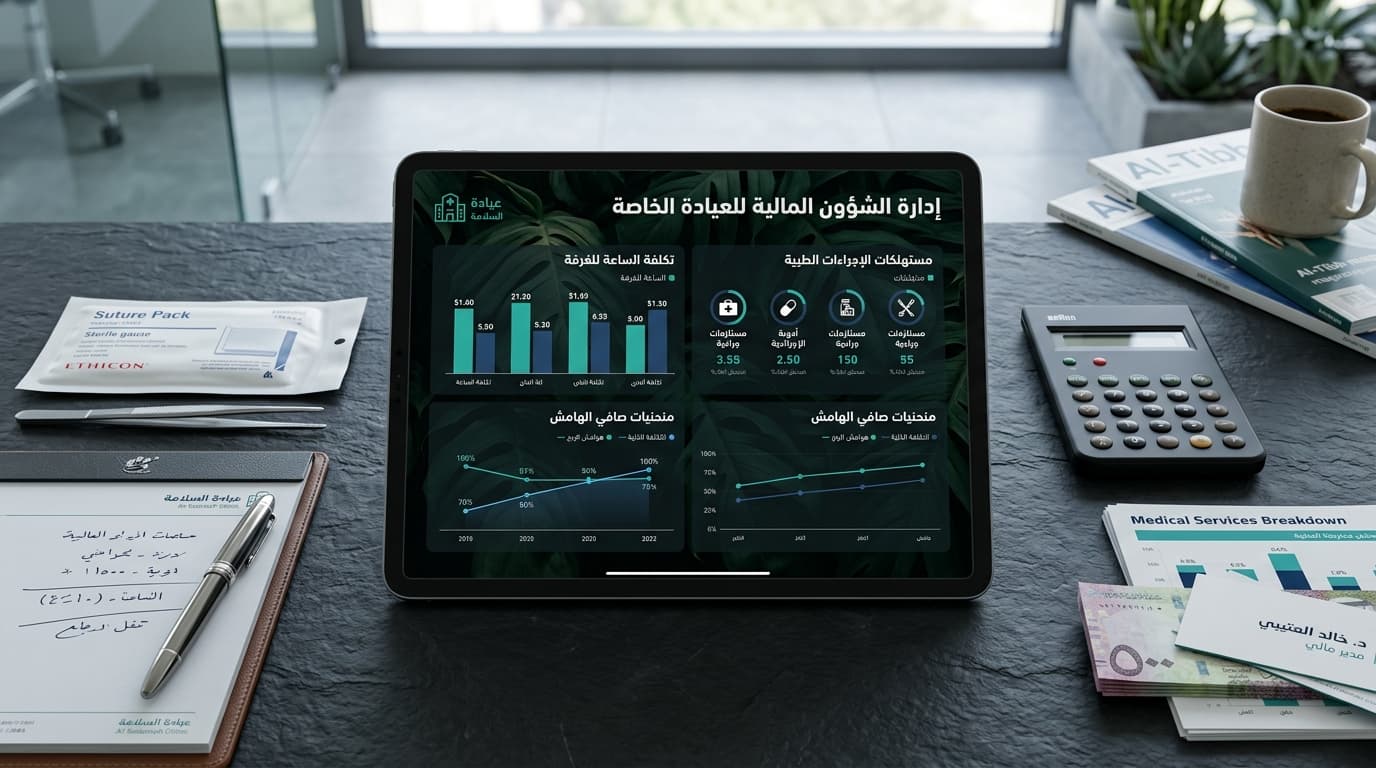
- Financial Performance: Analyze revenue streams, expenses, and profitability by service or physician to identify areas for financial optimization.
- Patient Demographics: Understand your patient base better to tailor services and marketing efforts more effectively.
- Predictive Analytics: Use data to forecast patient demand, optimize staffing, and manage inventory more efficiently.
Consider the benefits of integrating various technologies:
| Feature | Manual System | Integrated Digital System (e.g., Tabeeb Plus) |
|---|---|---|
| Appointment Scheduling | Phone calls, paper diaries; prone to errors and double bookings. | Online booking, automated reminders (SMS/WhatsApp), real-time availability, reduced no-shows. |
| Patient Records | Paper charts; storage issues, difficult to access, security risks, illegibility. | EMR; secure, accessible, searchable, standardized, improved data accuracy. |
| Billing & Payments | Manual invoicing, cash/POS, reconciliation errors, slow claim processing. | Automated billing, integrated payment gateways, instant receipts, faster insurance claims. |
| Patient Communication | Phone calls, limited follow-ups, slow information dissemination. | Automated SMS/WhatsApp, patient portals, telehealth, targeted health campaigns. |
| Operational Efficiency | Labor-intensive, high administrative burden, limited data insights. | Streamlined |
Building a High-Performing Team and Culture
The success of any clinic ultimately rests on the shoulders of its people. Investing in your team and fostering a positive work culture is paramount for patient care and Practice Growth.
Recruitment and Training
Hiring the right individuals and equipping them with the necessary skills is a continuous process.
- Skill-Based Hiring: Look for candidates who not only possess the required medical or administrative skills but also demonstrate empathy, professionalism, and a patient-centric approach.
- Cultural Fit: Recruit individuals who align with your clinic's values and vision. A cohesive team contributes significantly to a positive patient experience.
- Continuous Training: Provide regular training on new medical procedures, customer service best practices, and the effective use of technology like EMR and
appointment scheduling software. - Compliance Training: Ensure all staff are thoroughly trained on patient privacy regulations and ethical guidelines specific to Egypt.
Fostering a Positive Work Environment
A supportive and engaging work environment reduces staff turnover and enhances productivity.
- Open Communication: Encourage open dialogue between management and staff, allowing for feedback and suggestions for improvement in clinic workflow and patient care.
- Recognition and Rewards: Acknowledge and reward staff contributions to motivate them and reinforce positive behaviors.
- Team Building: Organize team-building activities to foster camaraderie and a sense of shared purpose.
- Work-Life Balance: Promote a healthy work-life balance to prevent burnout, which is particularly prevalent in healthcare settings.
Leadership and Management
Effective leadership is crucial for guiding the team and steering the clinic toward its goals.
- Visionary Leadership: Communicate a clear vision for the clinic's future, inspiring staff to work towards common objectives.
- Empowerment: Empower staff to take ownership of their roles and contribute to problem-solving, fostering a sense of responsibility and engagement.
- Conflict Resolution: Develop clear processes for addressing and resolving workplace conflicts fairly and promptly.
- Performance Management: Implement regular performance reviews to provide constructive feedback and identify opportunities for professional development.
Frequently Asked Questions (FAQ)
What are the most critical initial steps for starting a clinic in Egypt?
The most critical initial steps include securing all necessary licenses from the Egyptian Ministry of Health, registering your business legally, and meticulously planning your clinic's physical layout and services to meet regulatory standards. Consulting a legal expert specializing in Egyptian healthcare law is highly recommended.
How can I effectively reduce patient wait times in my Egyptian clinic?
To effectively reduce patient wait times, implement robust
What role does technology play in modern medical clinic management in Egypt?
Technology plays a pivotal role in modern medical clinic management by enhancing clinic operational efficiency, improving patient care, and streamlining administrative tasks. Key technologies include Electronic Medical Records (EMR), online appointment booking systems, telehealth platforms, and automated billing software like Tabeeb Plus.
What are some effective marketing strategies for clinic growth in the Egyptian market?
Effective marketing strategies for Practice Growth in Egypt include developing a strong online presence (website, social media), local SEO, building partnerships with local businesses or community groups, encouraging patient referrals, and highlighting specialized services relevant to the local population.
How important is staff training for a successful clinic in Egypt?
Staff training is extremely important. Well-trained staff ensure high-quality patient care, efficient operations, and compliance with regulations. Continuous training on new medical procedures, customer service, and the effective use of clinic management software contributes significantly to a positive patient experience and overall clinic success.
What are common challenges faced by clinics in Egypt and how to overcome them?
Common challenges include navigating complex regulations, managing patient wait times, ensuring financial sustainability, and attracting skilled staff. Overcoming these involves meticulous compliance planning, leveraging technology for clinic operational efficiency, implementing strong financial management and marketing strategies, and investing in continuous staff development.
How can I ensure patient data security and privacy in my clinic?
Ensuring patient data security and privacy involves implementing a secure EMR system with strong encryption, regular staff training on data protection protocols, controlling access to sensitive information, and adhering to any local data privacy laws issued by the Egyptian government. Regular security audits are also crucial.
Conclusion
Running a successful clinic in Egypt requires a multifaceted approach that extends beyond medical expertise. It demands a keen understanding of local regulations, a commitment to operational excellence, sound financial management, strategic adoption of technology, and the cultivation of a dedicated, high-performing team. By focusing on streamlined clinic workflow, leveraging advanced appointment scheduling software, and continuously striving to reduce patient wait times, clinics can significantly enhance patient satisfaction and drive sustainable Practice Growth.
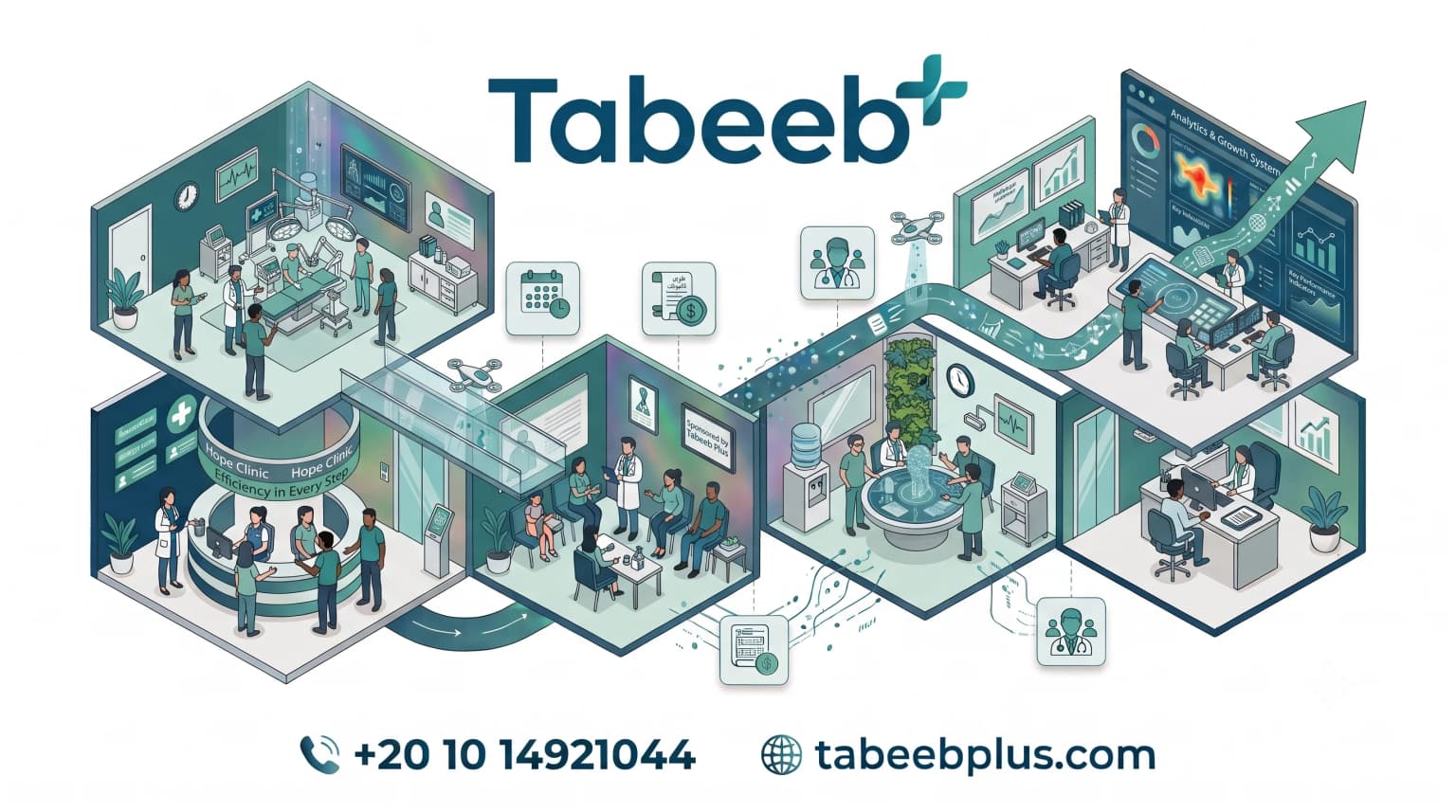
Embracing digital transformation is no longer optional but essential for achieving optimal clinic operational efficiency in today's competitive healthcare landscape. A comprehensive cloud-based practice management system can be the cornerstone of your clinic's success, integrating all aspects of your operations from patient registration to billing and EMR. Ready to transform your clinic's operations and elevate patient care? Discover how Tabeeb Plus can empower your practice to thrive in Egypt's dynamic healthcare market.