Egypt is on the cusp of a transformative era in healthcare delivery, marked by the phased rollout of its Universal Health Insurance System (UHIS). This ambitious initiative aims to provide comprehensive, high-quality healthcare services to all Egyptian citizens, fundamentally reshaping the landscape for private and public healthcare providers alike. For clinics across the nation, understanding and navigating the requirements for UHIS participation, particularly the crucial process of Egypt Universal Health Insurance registration, is paramount. Central to this journey is achieving accreditation from the General Authority for Healthcare Accreditation and Regulation (GAHAR). This detailed guide will illuminate the essential GAHAR accreditation criteria clinics must meet, offering insights into the accreditation process and how technology can be a powerful ally in this reform.
Table of Contents
- Understanding Egypt's Universal Health Insurance System (UHIS)
- The Critical Role of GAHAR Accreditation for Clinics
- Key GAHAR Accreditation Criteria for Clinics
- The GAHAR Accreditation Process: A Step-by-Step Guide for Clinics
- Leveraging Technology for GAHAR Compliance and UHIS Integration
- Frequently Asked Questions (FAQ)
Understanding Egypt's Universal Health Insurance System (UHIS)
The Universal Health Insurance System (UHIS) represents a monumental stride in the ongoing Egyptian healthcare reform EMR and broader healthcare landscape. Launched with the vision of ensuring equitable access to quality healthcare for every citizen, UHIS is designed to replace the fragmented and often inadequate existing insurance schemes. Its core objectives include comprehensive coverage, encompassing primary care, specialist consultations, diagnostic tests, surgeries, and rehabilitation services, all while upholding stringent quality standards. This ambitious system is being implemented in phases across governorates, with Port Said, Ismailia, Suez, Luxor, and Aswan being among the pioneers.
For private clinics, UHIS presents both a significant challenge and an unparalleled opportunity. Participation means access to a vastly expanded patient base, as millions of Egyptians will become insured beneficiaries. It also promises a more structured and predictable payment mechanism, reducing reliance on out-of-pocket payments and improving financial stability for providers. However, this participation is contingent upon meeting rigorous standards set by GAHAR, ensuring that only facilities capable of delivering high-quality, patient-centered care are integrated into the system. The UHIS is managed by the Universal Health Insurance Authority (UHIA), which oversees the financial and operational aspects, while GAHAR focuses solely on quality assurance and accreditation.
The Critical Role of GAHAR Accreditation for Clinics
The General Authority for Healthcare Accreditation and Regulation (GAHAR) stands as the cornerstone of quality assurance within Egypt's new healthcare paradigm. Established under Law No. 2 of 2018, GAHAR is an independent body tasked with setting and enforcing national healthcare quality and safety standards. Its mandate is clear: to ensure that all healthcare facilities, including private clinics, participating in the Universal Health Insurance System deliver services that meet internationally recognized benchmarks for patient safety, effectiveness, patient-centeredness, timeliness, efficiency, and equity. Without GAHAR accreditation, clinics cannot officially register or contract with the UHIS, making it an indispensable step for any clinic aspiring to participate in the new system.
GAHAR's role extends beyond mere compliance; it's about fostering a culture of continuous quality improvement across the Egyptian healthcare sector. The accreditation process is designed to be comprehensive, evaluating every facet of a clinic's operations, from clinical protocols and infrastructure to staff competencies and patient experience. By achieving GAHAR accreditation, clinics not only gain eligibility for UHIS but also signal their commitment to excellence, enhancing their reputation and patient trust. This commitment to healthcare compliance standards Egypt-wide is integral to the success and sustainability of the entire Universal Health Insurance System.
Key GAHAR Accreditation Criteria for Clinics
Navigating the GAHAR accreditation criteria clinics must adhere to can seem daunting, but it is a structured process designed to elevate healthcare quality. GAHAR standards are comprehensive, covering multiple domains crucial for safe and effective patient care. Clinics must demonstrate robust compliance across these areas to secure their place within the UHIS. Understanding these core requirements is the first step towards successful accreditation.
Patient Safety & Quality of Care
- Infection Prevention and Control (IPC): Clinics must have detailed, implemented protocols for hand hygiene, sterilization, disinfection, waste management, and personal protective equipment (PPE) use to minimize healthcare-associated infections.
- Medication Management: Safe procurement, storage, prescription, administration, and disposal of medications, including proper labeling and expiry date monitoring.
- Patient Identification: Strict adherence to protocols for accurately identifying patients before any procedure, medication administration, or treatment.
- Emergency Preparedness: Protocols and training for handling medical emergencies, including availability of emergency equipment and trained staff.
- Clinical Pathways and Protocols: Evidence-based guidelines for common conditions, ensuring consistent and high-quality care delivery.
Facility Management & Environment of Care
- Infrastructure Standards: The physical environment must be clean, safe, accessible, and well-maintained. This includes adequate lighting, ventilation, and sanitation facilities.
- Equipment Management: Regular maintenance, calibration, and safety checks for all medical equipment to ensure functionality and patient safety.
- Waste Management: Proper segregation, storage, and disposal of medical and general waste in accordance with environmental and health regulations.
- Fire Safety: Functional fire alarms, extinguishers, and clear evacuation plans, with staff trained in fire safety procedures.
Human Resources Management
- Staff Qualifications and Licensing: All medical and administrative staff must possess the necessary qualifications, licenses, and certifications for their roles.
- Continuous Professional Development: Programs for ongoing training, skill enhancement, and competency assessment for all staff members.
- Performance Evaluation: Regular performance reviews and feedback mechanisms to ensure staff adhere to clinical and ethical standards.
Information Management & Technology
- Electronic Medical Records (EMR): Implementation of a reliable EMR system is critical. This supports the broader Egyptian healthcare reform EMR goals by ensuring accurate, complete, and readily accessible patient records.
- Data Security and Privacy: Robust measures to protect patient confidentiality and data integrity, complying with national and international data protection standards.
- Interoperability: Capability of the EMR system to exchange information with other healthcare systems, including the UHIS portal, to facilitate seamless patient care and claims processing.
Leadership & Governance
- Policies and Procedures: Documented, up-to-date policies and procedures covering all aspects of clinic operations, from patient admission to discharge.
- Quality Improvement Programs: Active programs for monitoring, evaluating, and improving the quality of services and patient outcomes.
- Ethical Practices: Adherence to ethical guidelines and patient rights, including informed consent and grievance mechanisms.
To provide a clearer perspective, here's a comparison highlighting key GAHAR domains and their operational implications for clinics:
| GAHAR Accreditation Domain | Key Focus Area | Operational Impact for Clinics |
|---|---|---|
| Patient Safety & Quality | Infection control, medication safety, clinical protocols | Requires strict adherence to guidelines, staff training, robust incident reporting. |
| Facility & Environment | Physical plant, equipment, waste management | Mandates regular maintenance, safety checks, proper disposal systems. |
| Human Resources | Staff qualifications, training, performance | Necessitates credentialing, continuous education, clear job descriptions, evaluation. |
| Information Management | EMR, data security, patient records | Demands secure, comprehensive EMRs, data privacy protocols, efficient record-keeping. |
| Leadership & Governance | Policies, quality improvement, ethics | Requires clear organizational structure, documented policies, ongoing quality audits. |
The GAHAR Accreditation Process: A Step-by-Step Guide for Clinics
Successfully navigating the GAHAR accreditation process is a critical milestone for any clinic aiming for Egypt social health insurance signup. While the specific details might evolve, the general steps remain consistent, guiding clinics through a structured path toward compliance and recognition.
- Initial Self-Assessment and Preparation: Clinics should begin by conducting a thorough internal review against GAHAR standards. This involves identifying gaps in current practices, infrastructure, and documentation. This phase is crucial for developing an action plan to address deficiencies.
- Application Submission: Once a clinic feels prepared, it submits a formal application to GAHAR. This typically includes detailed information about the facility, its services, staff qualifications, and existing policies. This step marks the formal initiation of the accreditation journey.
- Documentation Review: GAHAR will scrutinize all submitted documents, including licenses, staff credentials, policy manuals, infection control protocols, and patient safety guidelines. Clinics must ensure all documentation is accurate, complete, and up-to-date.
- On-site Survey/Inspection: This is a pivotal stage where GAHAR assessors visit the clinic to verify compliance with standards in practice. They will observe operations, interview staff, review patient records, inspect the facility, and assess equipment. This hands-on evaluation ensures that documented policies are actually implemented.
- Corrective Action Plan (CAP): If deficiencies are identified during the on-site survey, GAHAR will issue a report detailing the areas requiring improvement. The clinic must then develop and implement a Corrective Action Plan (CAP) within a specified timeframe, demonstrating how it will address each non-compliance point.
- Accreditation Decision: Upon satisfactory review of the CAP and any subsequent re-evaluations, GAHAR makes an accreditation decision. This can range from full accreditation to provisional accreditation or, in cases of significant non-compliance, denial.
- Ongoing Monitoring and Re-accreditation: GAHAR accreditation is not a one-time event. Clinics are subject to periodic unannounced surveys and must undergo re-accreditation cycles (typically every 3-5 years) to ensure continuous adherence to quality standards. This ongoing oversight reinforces the commitment to sustained excellence in healthcare compliance standards Egypt-wide.
Engaging in this process requires dedicated resources, clear leadership, and a commitment from all staff members to embrace a culture of quality and patient safety.
Leveraging Technology for GAHAR Compliance and UHIS Integration
In the era of digital transformation, technology is not just an advantage; it's a necessity for clinics aiming for GAHAR accreditation and seamless integration into the UHIS. A robust, cloud-based practice management system like Tabeeb Plus can significantly streamline the path to compliance and enhance operational efficiency.
Tabeeb Plus offers a comprehensive suite of features designed to meet and exceed the stringent GAHAR accreditation criteria clinics face, particularly in the domain of information management. Its Electronic Medical Records (EMR) system is central to addressing the requirements for accurate, complete, and secure patient data. With Tabeeb Plus, clinics can maintain detailed patient histories, track treatments, manage prescriptions, and ensure data privacy, all crucial aspects of GAHAR compliance. This robust EMR system is a cornerstone of the broader Egyptian healthcare reform EMR initiatives, facilitating better patient outcomes and operational transparency.
Beyond EMR, Tabeeb Plus empowers clinics with:
- Efficient Appointment Management: Streamlined scheduling reduces wait times, improves patient flow, and optimizes resource utilization, contributing to a better patient experience and operational efficiency.
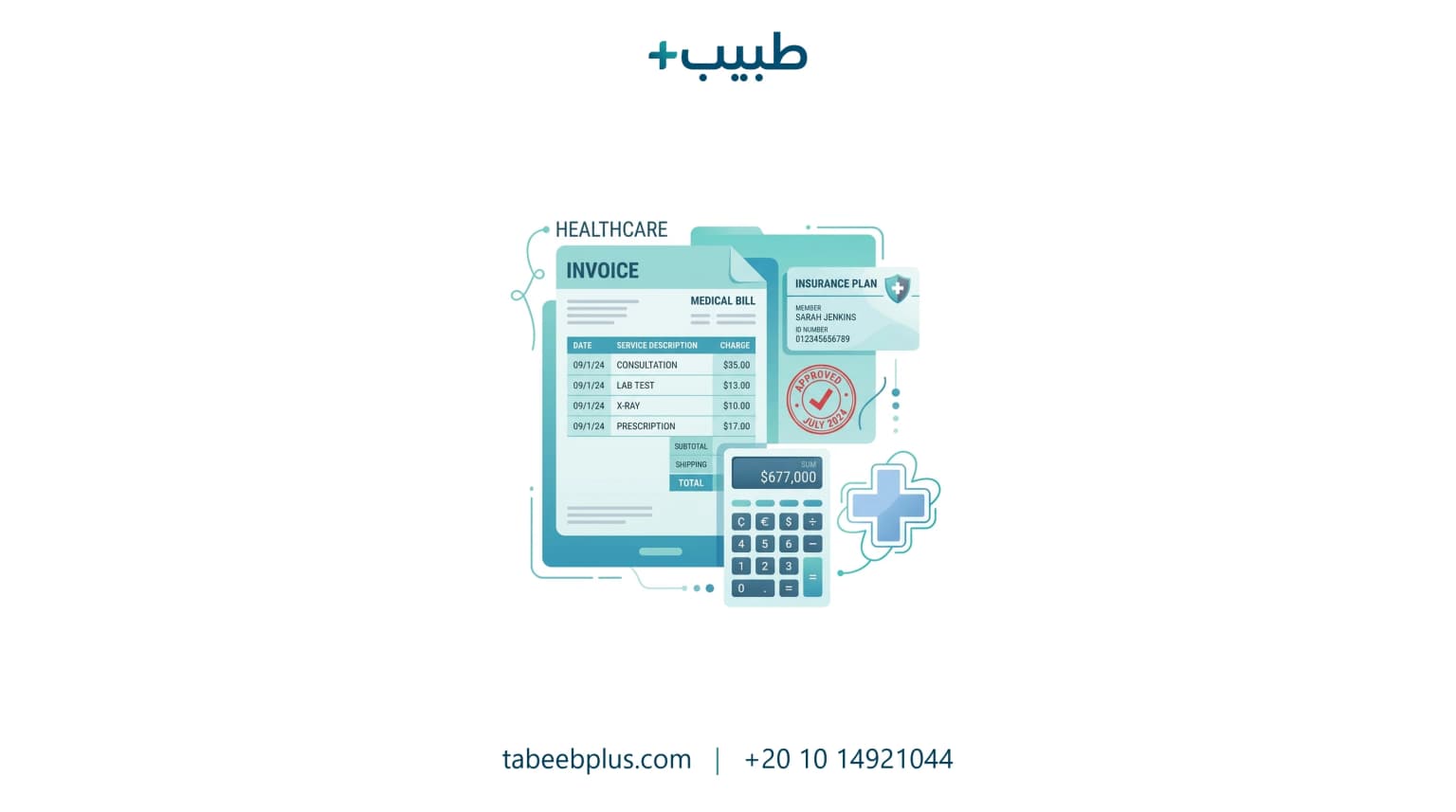
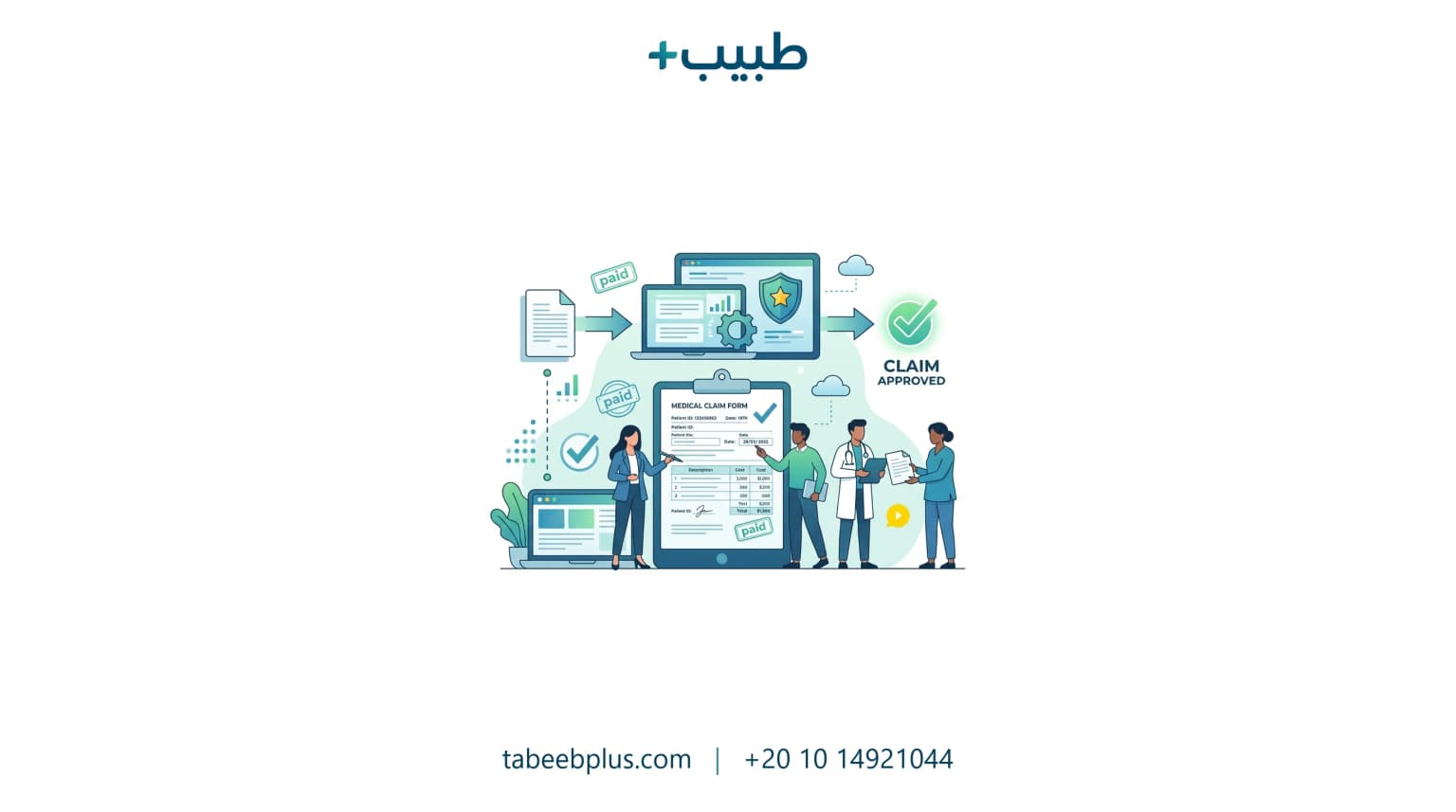
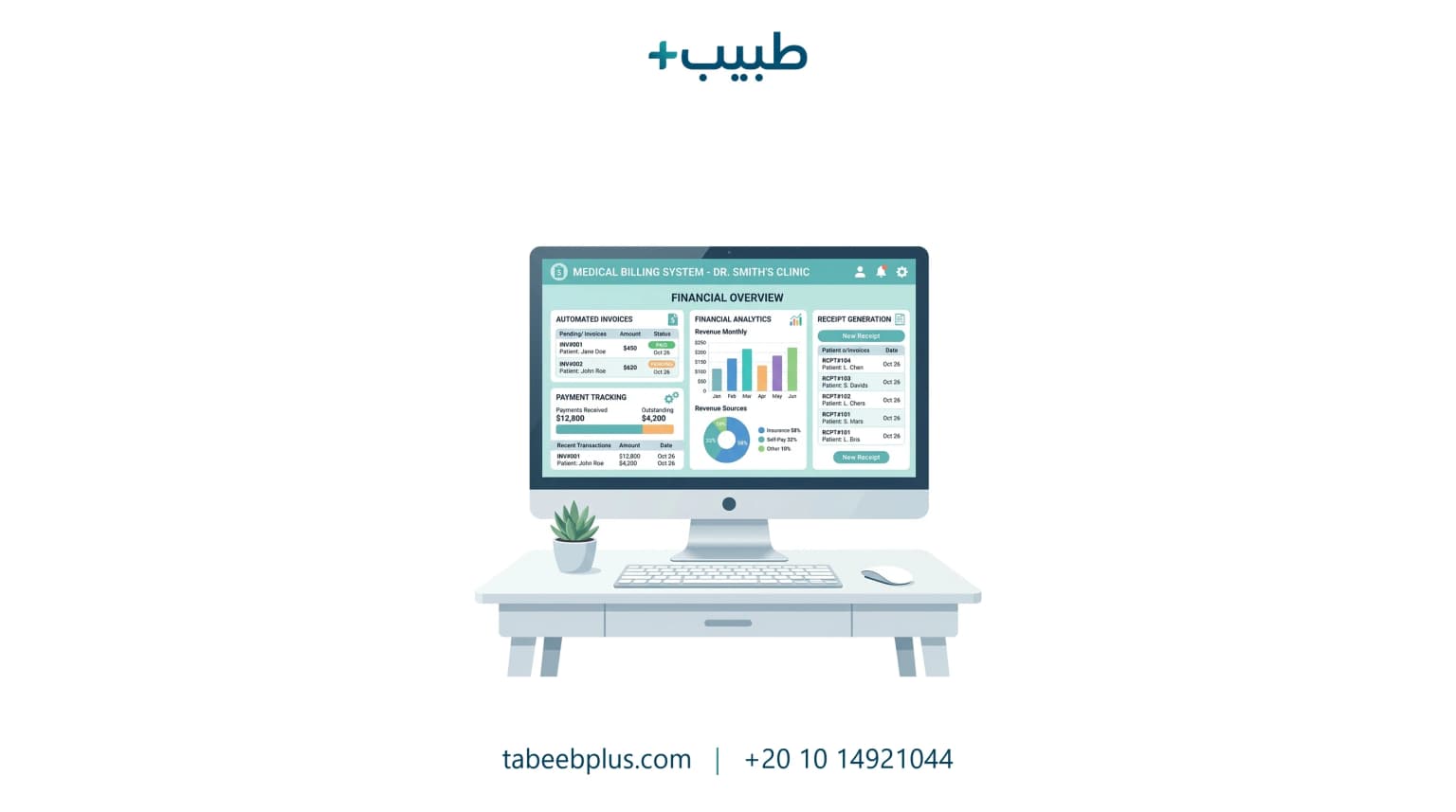
- Simplified Medical Billing: The system automates billing processes, ensuring accurate claims submission to UHIS and other payers, reducing errors, and accelerating revenue cycles. This is vital for the financial health of clinics participating in the new insurance scheme.
- Enhanced Patient Communication: Tools like WhatsApp integrations enable seamless and secure communication with patients for appointment reminders, follow-ups, and health education, improving patient engagement and satisfaction.
- Reporting and Analytics: Tabeeb Plus provides insightful reports on clinic performance, patient outcomes, and compliance metrics. These data-driven insights are invaluable for continuous quality improvement programs, a key component of GAHAR standards.
- Security and Accessibility: As a cloud-based solution, Tabeeb Plus ensures that patient data is securely stored, backed up, and accessible to authorized personnel from anywhere, anytime, while adhering to the highest standards of data protection and privacy, a critical aspect of healthcare compliance standards Egypt mandates.
By integrating such a powerful system, clinics can not only meet GAHAR requirements more efficiently but also enhance their overall operational effectiveness, patient care quality, and financial stability within the new Universal Health Insurance System.
Frequently Asked Questions (FAQ)
Q1: What is the primary benefit for clinics joining UHIS?
The primary benefit for clinics joining the Universal Health Insurance System (UHIS) is access to a significantly expanded and insured patient base. This ensures a steady flow of patients and, critically, guarantees timely and predictable payments for services rendered, reducing financial uncertainties often associated with out-of-pocket payments or fragmented insurance schemes. It also positions clinics at the forefront of Egypt's healthcare modernization.
Q2: How long does GAHAR accreditation typically take?
The duration of the GAHAR accreditation process can vary significantly depending on the clinic's readiness, the complexity of its services, and its ability to quickly address any identified deficiencies. Typically, from initial application to final accreditation decision, the process can range from 6 to 18 months. Thorough preparation and proactive compliance measures can significantly shorten this timeline.
Q3: Can a clinic operate in Egypt without GAHAR accreditation?
Yes, a clinic can still operate in Egypt without GAHAR accreditation, but it cannot participate in the Universal Health Insurance System (UHIS). GAHAR accreditation is a mandatory prerequisite for any healthcare provider wishing to contract with UHIS and serve its insured beneficiaries. Clinics operating outside UHIS would continue to serve patients through private payments or other legacy insurance programs.
Q4: What role does an EMR play in GAHAR compliance?
An Electronic Medical Records (EMR) system plays a crucial role in GAHAR compliance by ensuring accurate, complete, and readily accessible patient information. GAHAR standards emphasize robust information management, data security, and the ability to track patient care. An EMR system like Tabeeb Plus helps clinics meet these requirements by centralizing patient data, streamlining record-keeping, and facilitating reporting for quality improvement and audit purposes.
Q5: Are there different levels of GAHAR accreditation for clinics?
GAHAR primarily offers a single, comprehensive accreditation for clinics, ensuring adherence to a universal set of quality and safety standards. However, the outcome of the accreditation process can result in full accreditation, provisional accreditation (requiring further improvements), or denial. The focus is on meeting a defined baseline of excellence rather than tiered levels of accreditation for the same facility type.
Q6: What happens if a clinic fails its GAHAR inspection?
If a clinic fails its GAHAR inspection, it will typically receive a detailed report outlining the areas of non-compliance. The clinic will then be required to submit and implement a Corrective Action Plan (CAP) within a specified timeframe. GAHAR may conduct follow-up visits to verify the implementation of corrective actions. Failure to adequately address deficiencies can lead to delays in accreditation or, in severe cases, denial of accreditation.
Q7: How often do clinics need to renew GAHAR accreditation?
GAHAR accreditation is not permanent. Clinics are typically required to undergo a re-accreditation process every three to five years. This periodic review ensures that clinics maintain their commitment to quality and safety standards over time and continuously adapt to evolving best practices in healthcare. Regular monitoring and unannounced visits may also occur between re-accreditation cycles.
Q8: What resources are available to help clinics prepare for GAHAR?
Clinics can access various resources to prepare for GAHAR accreditation. These include official GAHAR guidelines and standards documents (often available on the GAHAR website), training programs, and workshops offered by healthcare consulting firms. Leveraging technology solutions like Tabeeb Plus can also significantly aid in compliance. Additionally, clinics can consider engaging with experienced consultants who specialize in GAHAR readiness to guide them through the process. For official information and standards, clinics should refer directly to the GAHAR official website.
The journey to GAHAR accreditation and successful Egypt Universal Health Insurance registration is a testament to a clinic's dedication to providing superior patient care within Egypt's evolving healthcare landscape. While the path demands diligence and adherence to rigorous standards, the rewards of participating in the Universal Health Insurance System are significant, promising a future of sustainable growth and enhanced service delivery. Embracing modern technology is not merely an option but a strategic imperative to navigate this transformation efficiently. A robust cloud-based practice management system is your clinic's most powerful tool, streamlining operations, ensuring compliance, and empowering your team to focus on what matters most: your patients.
To discover how Tabeeb Plus can be your trusted partner in achieving GAHAR accreditation, optimizing your clinic's operations, and seamlessly integrating into Egypt's Universal Health Insurance System, we invite you to explore our comprehensive solutions. Experience firsthand how our intuitive EMR, efficient appointments, simplified billing, and powerful WhatsApp integrations can transform your practice. Reach out to our expert team today to learn more.