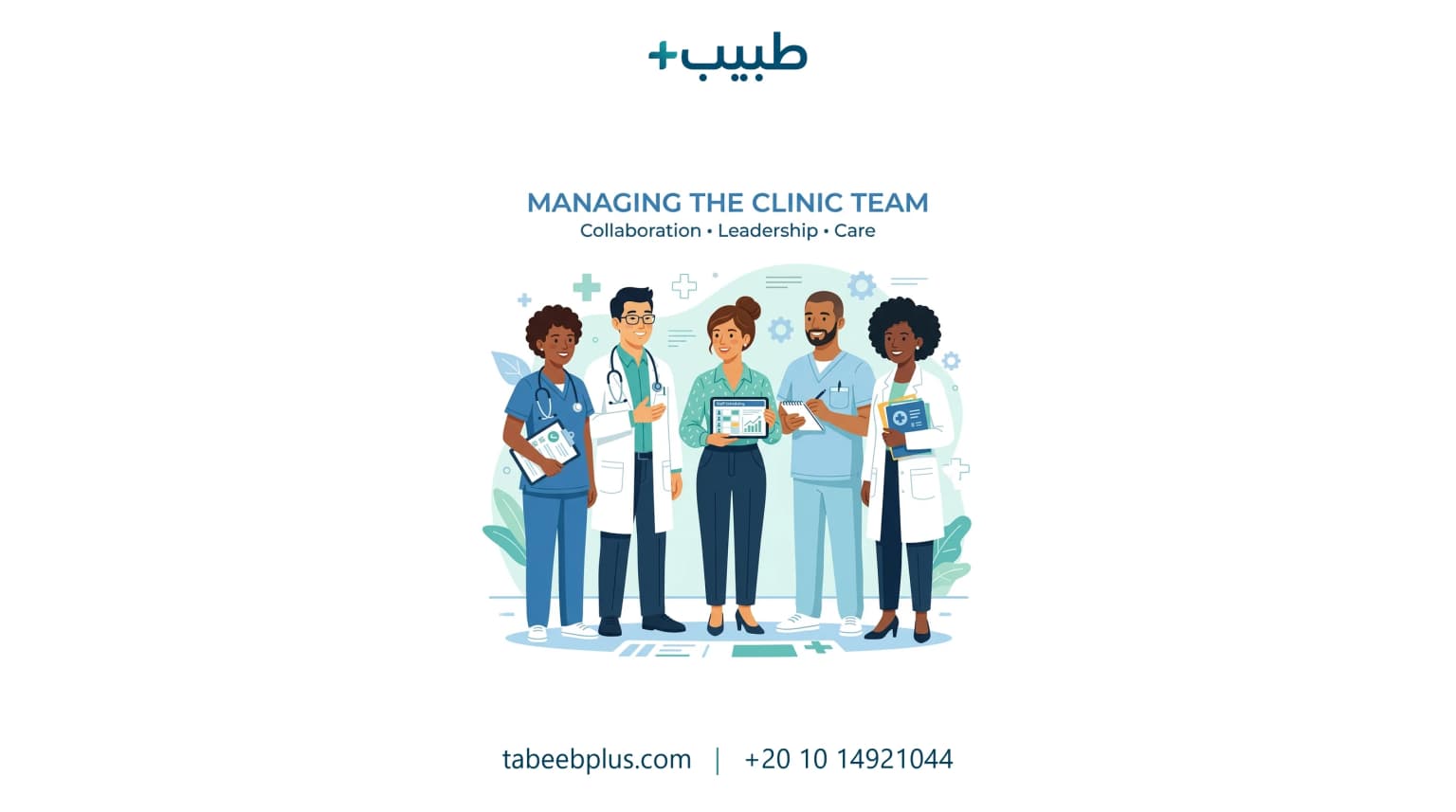
In the dynamic and often unpredictable landscape of private healthcare, operational resilience is not merely a desirable trait—it is an absolute necessity. Clinics frequently grapple with the challenges of staff turnover, unexpected absences, and the ever-present need to maintain high standards of patient care amidst fluctuating demands. This is precisely where the strategic implementation of cross-training clinical staff and administrative personnel emerges as a powerful solution. By equipping team members with a broader skill set beyond their primary roles, clinics can ensure seamless operations, enhance team cohesion, and significantly bolster their capacity to adapt to unforeseen circumstances. Tabeeb Plus (طبيب+), your trusted partner in cloud-based practice management, champions this forward-thinking approach, providing the technological framework necessary to support such comprehensive staff development and optimize clinic efficiency.
Table of Contents
- The Imperative for Cross-Training in Modern Private Clinics
- Unlocking the Multifaceted Benefits of a Robust Cross-Training Program
- Designing and Implementing an Effective Cross-Training Framework
- Navigating Challenges and Sustaining Cross-Training Success
- The Pivotal Role of Technology in Facilitating Cross-Training and Resilience
- Frequently Asked Questions (FAQ)
The Imperative for Cross-Training in Modern Private Clinics
Private medical clinics operate within a complex ecosystem, constantly balancing patient care, financial viability, and regulatory compliance. The traditional model, where staff members are rigidly confined to specific, siloed duties, is increasingly proving inadequate in addressing the multifaceted pressures of contemporary healthcare. The need for enhanced medical practice resilience has never been more evident, driven by several key factors:
Addressing Staff Shortages and Unexpected Absences
Healthcare professionals, like those in any sector, face personal emergencies, illnesses, vacations, and even career transitions. When a critical staff member, be it a front-desk receptionist, a medical assistant, or a nurse, is unexpectedly absent, the ripple effect can be immediate and detrimental. Appointment schedules can fall into disarray, patient wait times can surge, and administrative tasks can pile up, leading to a breakdown in operational flow. Cross-training mitigates this risk by ensuring that multiple team members possess the competencies to step into various roles, maintaining essential functions even when primary staff are unavailable. This proactive approach prevents service disruptions and preserves the patient experience.
Enhancing Patient Experience and Continuity of Care
Patients seek consistency and efficiency. When staff are well-versed in different aspects of clinic operations, they can better anticipate patient needs, answer a broader range of questions, and guide patients through their healthcare journey more effectively. For instance, a clinical assistant who understands billing procedures can provide initial clarity on insurance queries, or an administrative staff member familiar with EMR navigation can assist with basic patient record retrieval, reducing transfers and wait times. This seamless interaction fosters trust and contributes significantly to patient satisfaction and the overall quality of care.
Navigating Regulatory Compliance and Evolving Healthcare Standards
The regulatory landscape for healthcare providers is constantly shifting, encompassing everything from HIPAA compliance to new billing codes and quality reporting requirements. A team that is cross-trained in various aspects of documentation, data handling, and operational protocols is better equipped to adapt to these changes. For example, administrative staff trained in clinical data entry can ensure compliance with evolving EMR standards, while clinical staff with administrative knowledge can better understand the implications of proper documentation for billing and auditing. This collective knowledge base reduces the risk of non-compliance and strengthens the clinic's adherence to best practices.
Integrating Technology and Streamlining Workflows
Modern clinics rely heavily on technology, from electronic medical records (EMR) to online appointment scheduling and patient communication platforms. Effective utilization of these tools, such as the comprehensive features offered by Tabeeb Plus, requires a certain level of technological literacy across the team. Cross-training can involve familiarizing both clinical and administrative staff with the core functionalities of the practice management system. This not only enhances individual proficiency but also fosters a more integrated workflow, where data flows smoothly between clinical and administrative processes, improving overall practice operations management.
Unlocking the Multifaceted Benefits of a Robust Cross-Training Program
The advantages of implementing a comprehensive clinic staff training program that emphasizes cross-training extend far beyond merely filling gaps during absences. They permeate every facet of clinic operations, leading to a more efficient, resilient, and positive environment for both staff and patients. These are the tangible clinic staff cross-training benefits that private practices can expect to realize:
Enhanced Operational Continuity and Reduced Downtime
The most immediate and apparent benefit is the ability to maintain operations smoothly, even when faced with unforeseen circumstances. Whether it's a sudden illness, a planned vacation, or high patient volume, a cross-trained team can quickly reallocate tasks and responsibilities without significant disruption. This drastically reduces downtime, prevents appointment backlogs, and ensures that critical patient care and administrative functions continue uninterrupted. Imagine a scenario where your primary billing specialist is out; with cross-training, a front-desk coordinator or even a medical assistant could handle urgent billing inquiries or basic claims processing, preventing revenue cycle delays.
Improved Efficiency, Productivity, and Workflow Optimization
When staff members understand the broader context of clinic operations and the interdependencies between different roles, they can perform their primary duties more effectively. This holistic understanding leads to more proactive problem-solving, reduced redundancies, and streamlined workflows. For instance, a medical assistant who understands the administrative process of patient intake can better prepare patients for their appointments, ensuring all necessary forms and information are gathered upfront, thus saving time for the front desk and the physician. This synergistic approach optimizes resource utilization and boosts overall productivity.
Increased Staff Satisfaction, Engagement, and Retention
Investing in staff development through cross-training demonstrates a commitment to their professional growth. This can significantly boost morale, job satisfaction, and engagement. Employees feel valued when they are given opportunities to learn new skills and expand their responsibilities. It breaks the monotony of repetitive tasks, provides new challenges, and can even open pathways for career advancement within the clinic. Empowered and engaged staff are less likely to seek opportunities elsewhere, leading to higher retention rates and reducing the costly cycle of recruitment and training for new hires.
Better Patient Care, Safety, and Communication
A cross-trained team is a more knowledgeable and communicative team. When staff members understand the entire patient journey, from scheduling an appointment to follow-up care, they can provide more comprehensive and empathetic support. They can answer patient questions more accurately, anticipate potential issues, and ensure that patient information is handled consistently across different touchpoints. This leads to fewer errors, improved patient safety, and a more cohesive communication strategy, both internally and externally. For example, a nurse cross-trained in front-desk duties can better triage urgent calls, ensuring patients receive appropriate and timely attention.
Cost Savings and Resource Optimization
While there's an initial investment in time and resources for cross-training, the long-term cost savings are substantial. Reduced overtime pay due to better coverage, lower recruitment costs from improved retention, and fewer errors requiring rework all contribute to the bottom line. Furthermore, by having a more versatile workforce, clinics can optimize their staffing levels, potentially avoiding the need to hire additional specialized personnel for peak times or specific tasks. This strategic allocation of human resources enhances financial efficiency.
To illustrate the stark contrast, consider the operational impact of a traditional, siloed clinic model versus one that embraces comprehensive cross-training:
| Operational Aspect | Traditional Clinic Model (Siloed Staff) | Cross-Trained Clinic Model |
|---|---|---|
| Staff Absences/Shortages | Significant disruption, backlog of tasks, increased stress, potential patient dissatisfaction. | Minimal disruption, tasks reallocated efficiently, maintained patient flow, reduced stress. |
| Operational Efficiency | Bottlenecks at specific roles, redundant tasks, slower workflows, potential for errors. | Smoother workflows, reduced bottlenecks, proactive problem-solving, higher overall productivity. |
| Patient Experience | Inconsistent information, longer wait times, frustration due to hand-offs, potential for miscommunication. | Seamless interactions, consistent information, shorter wait times, improved patient satisfaction. |
| Staff Morale & Engagement | Monotony, feeling undervalued, limited growth opportunities, higher turnover risk. | Increased job satisfaction, sense of value, professional growth, lower turnover risk. |
| Adaptability to Change | Slow to adapt, resistance to new processes, difficulty integrating new technologies. | Agile response to new regulations/tech, easier adoption of new workflows, continuous improvement. |
| Cost Implications | Higher overtime, frequent recruitment costs, potential revenue loss from inefficiencies. | Reduced overtime, lower recruitment costs, optimized resource allocation, improved revenue cycle. |
Designing and Implementing an Effective Cross-Training Framework
Successful cross-training doesn't happen by accident; it requires a structured, thoughtful approach. Clinic owners and managers must develop a clear strategy that aligns with their operational goals and staff capabilities. This involves careful planning, clear communication, and leveraging the right tools.
1. Identifying Key Roles and Essential Skills
Begin by conducting a thorough audit of all existing staff roles and responsibilities within your clinic. Document the core duties, required skills, and critical knowledge for each position, both clinical and administrative. Then, identify "bottleneck" roles—positions that, if left vacant, would severely impact operations. Prioritize cross-training for these critical functions first. Consider which skills are transferable and where the greatest need for redundancy lies. For example, administrative tasks like patient registration, appointment scheduling, and basic billing inquiries are often excellent candidates for cross-training across various staff members.
2. Developing a Structured Training Curriculum
Once key roles and skills are identified, create a detailed curriculum for each cross-training module. This should outline learning objectives, specific tasks to be mastered, and the expected proficiency level. The curriculum might include:
- Didactic Learning: Manuals, online courses, webinars covering theoretical knowledge (e.g., HIPAA regulations, basic medical terminology, software functionalities).
- Shadowing Opportunities: Allowing trainees to observe experienced staff performing their duties.
- Hands-on Practice: Supervised practice of new tasks, perhaps initially in a simulated environment or during less busy periods.
- Mentorship Programs: Pairing trainees with experienced mentors who can provide guidance and feedback.
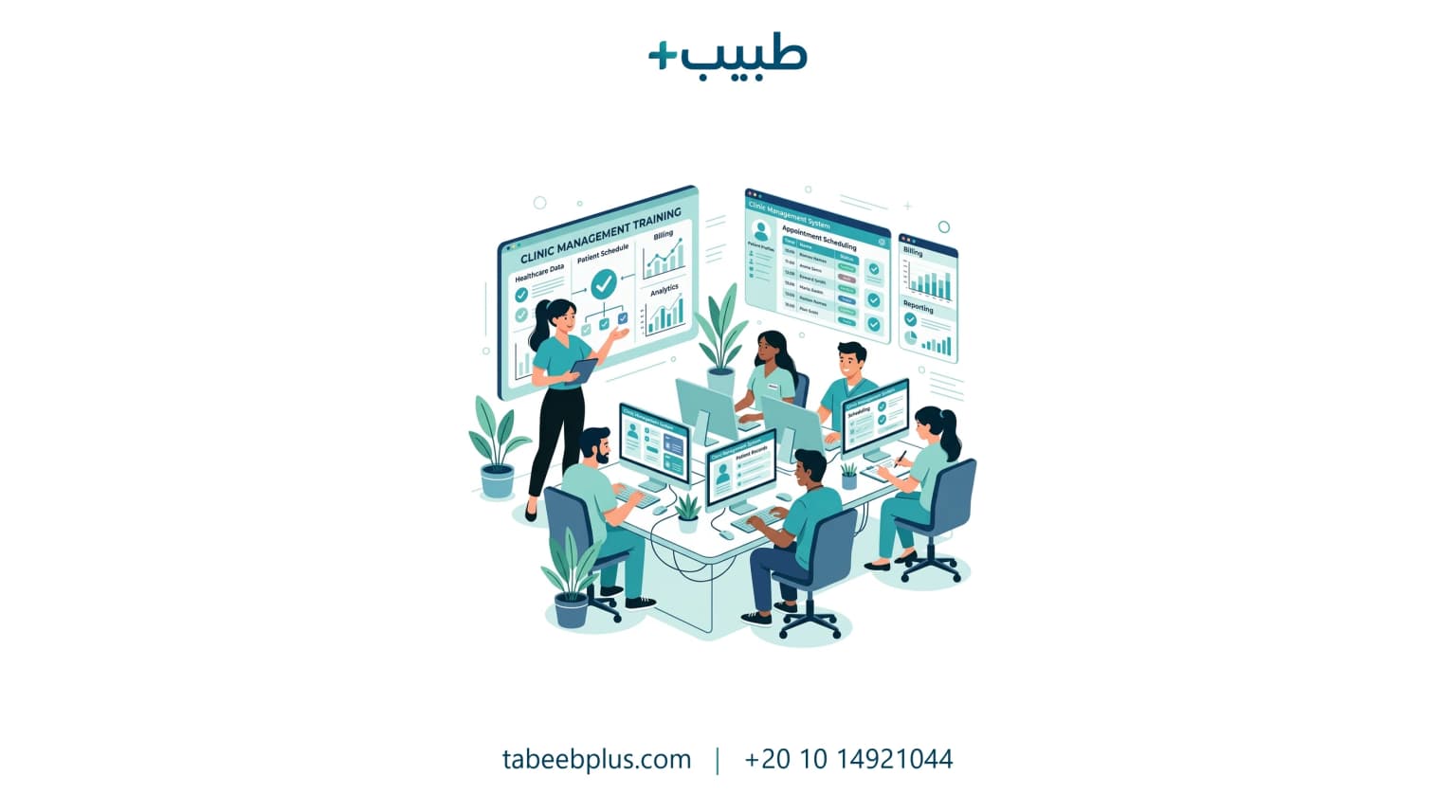
Leverage your practice management system, like Tabeeb Plus, to provide consistent training on its features. For instance, training on seamless appointment scheduling or efficient EMR navigation can be standardized and easily accessible.
3. Implementing Practical Training Methodologies
Effective cross-training moves beyond theoretical knowledge to practical application. Here are some methodologies:
- On-the-Job Training (OJT): The most common method, where employees learn by doing under direct supervision. This is particularly effective for tasks like patient intake, vital sign collection, or using specific clinic equipment.
- Rotation Programs: Allowing staff to spend dedicated periods in different departments or roles to gain firsthand experience. This can be scheduled during slower periods to minimize disruption.
- Role-Playing and Simulations: Especially useful for customer service scenarios, handling difficult patient interactions, or practicing emergency protocols.
- Microlearning Modules: Breaking down complex topics into small, digestible units that can be completed quickly, fitting into busy schedules.
4. Integrating Technology for Enhanced Training and Management
Modern practice management software is indispensable for supporting cross-training efforts. Tabeeb Plus offers features that can streamline this process:
- Centralized Documentation: Store all training materials, protocols, and standard operating procedures (SOPs) within the system, making them easily accessible to all staff.
- Task Management: Utilize task assignment features to track training progress and delegate specific learning activities.
- Performance Tracking: Monitor staff proficiency in new skills, identifying areas where additional training or support might be needed.
- Integrated Communication: Use internal messaging or WhatsApp integrations to facilitate communication between trainers and trainees, allowing for quick questions and feedback.
By digitizing training resources and tracking, clinics can ensure consistency, reduce administrative burden, and provide a flexible learning environment.
Navigating Challenges and Sustaining Cross-Training Success
While the benefits of cross-training are compelling, implementing and sustaining such a program is not without its challenges. Proactive planning and a commitment to continuous improvement are vital for long-term success.
Addressing Time and Resource Allocation
One of the most significant hurdles is finding the time and resources for training amidst daily clinical demands. Clinic managers must intentionally schedule training sessions, even if it means adjusting patient schedules or allocating dedicated "training hours." It's crucial to view this as an investment, not an expense. Consider:
- Staggered Training: Train a few staff members at a time to avoid overwhelming the clinic.
- Utilizing Downtime: Leverage slower periods in the clinic for learning activities.
- External Resources: Supplement internal training with online courses or workshops when appropriate.
Overcoming Resistance to Change
Staff members may exhibit resistance for various reasons: fear of increased workload, anxiety about learning new skills, or comfort with their established routines. To mitigate this:
- Communicate Benefits Clearly: Explain how cross-training benefits them personally (skill development, career growth) and the clinic as a whole (reduced stress during absences).
- Involve Staff in Planning: Solicit input on training needs and methods to foster a sense of ownership.
- Start Small: Begin with voluntary participation or pilot programs to demonstrate success before rolling out broadly.
- Provide Support: Ensure adequate supervision, mentorship, and resources are available to ease the learning process.
Maintaining Skill Proficiency Over Time
Skills can atrophy if not regularly used. To ensure staff retain their cross-trained abilities:
- Regular Refresher Training: Schedule periodic refreshers or short competency assessments.
- Rotation of Duties: Periodically rotate staff into their secondary roles, even for short durations, to keep skills sharp.
- "Buddy System": Encourage peer-to-peer support and knowledge sharing.
- Scenario-Based Drills: Conduct occasional drills or simulations to practice critical cross-trained tasks, especially for emergency procedures or rare occurrences.
Continuous Evaluation and Adaptation
A cross-training program should not be a static initiative. It requires ongoing evaluation and adaptation based on feedback and evolving clinic needs. Regularly assess:
- Training Effectiveness: Are staff members truly proficient in their new roles? What are the gaps?
- Operational Impact: Has cross-training improved efficiency, reduced errors, or enhanced patient satisfaction?
- Staff Feedback: What are employees' experiences with the training? What improvements can be made?
Use this feedback to refine your curriculum, adjust methodologies, and ensure the program remains relevant and impactful. Regularly review your practice operations management strategies to see how cross-training integrates and improves them. For guidance on best practices in healthcare workforce management, resources like the World Health Organization (WHO) often provide valuable frameworks and insights on building robust health systems and staff capabilities globally: WHO Health Workforce.
The Pivotal Role of Technology in Facilitating Cross-Training and Resilience
In today's digital age, technology is not just an enabler but a cornerstone of effective cross-training and building operational resilience. A robust practice management system like Tabeeb Plus is instrumental in streamlining the entire process, from skill development to daily operations.
Centralized Information and Knowledge Hub
Tabeeb Plus serves as a central repository for all critical clinic information. This includes patient records via its comprehensive EMR system, operational protocols, training manuals, and FAQs. When staff are cross-training, having instant, secure access to standardized procedures and patient data ensures consistency and reduces the learning curve. They can quickly reference how to handle specific patient queries, billing procedures, or clinical documentation requirements, regardless of their primary role.
Simplified Scheduling and Resource Management
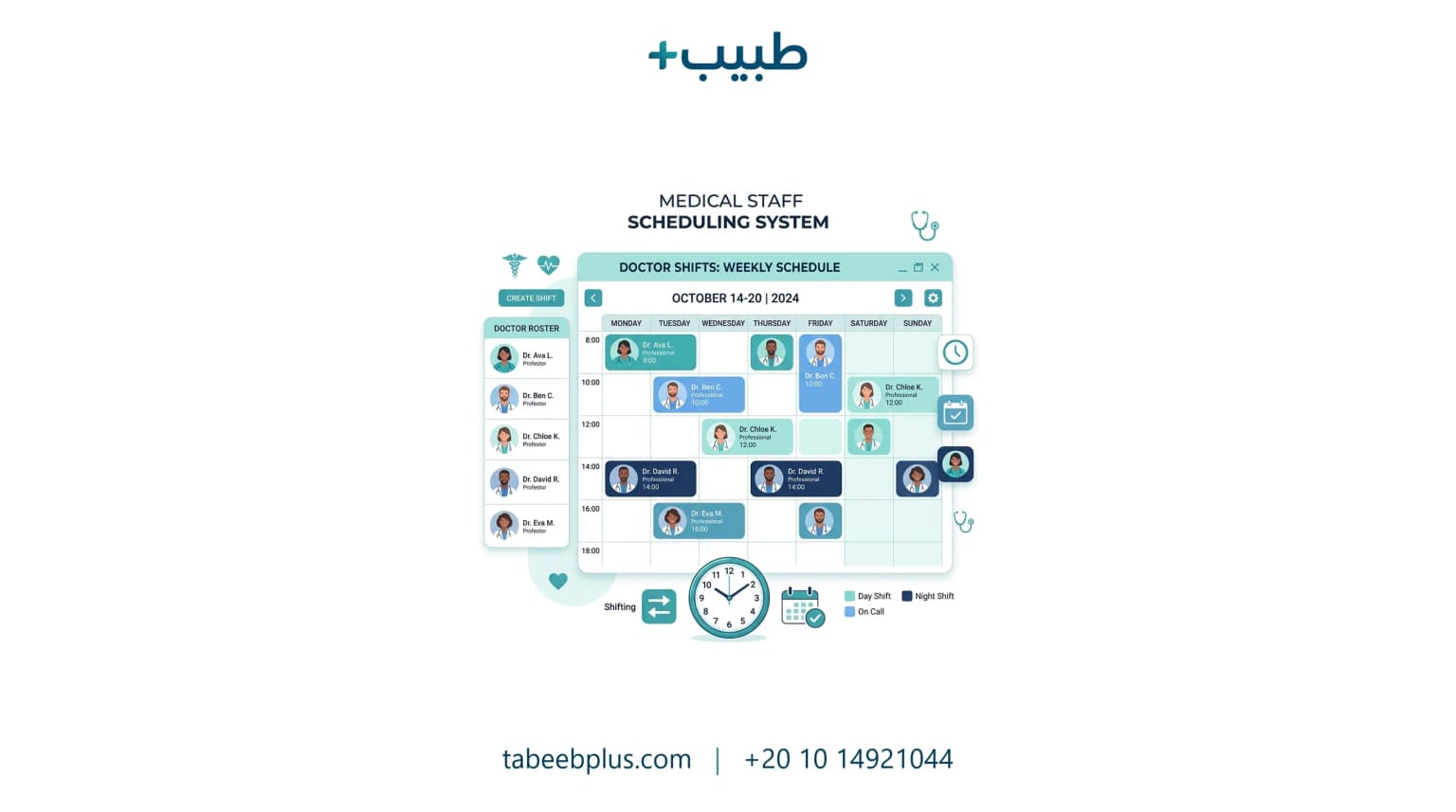
Effective cross-training requires flexible scheduling to accommodate training sessions and subsequent role rotations. Tabeeb Plus's advanced appointment scheduling features allow managers to easily adjust staff assignments, block out training times, and track individual availability. This ensures that training can occur without compromising patient care or creating scheduling conflicts. Furthermore, the system can help identify peak times and allocate cross-trained staff strategically to manage patient flow efficiently, directly impacting practice operations management.
Integrated EMR and Billing Systems for Holistic Understanding
A key aspect of cross-training in a medical setting is understanding the interconnectedness of clinical and administrative tasks. Tabeeb Plus integrates EMR and billing functionalities seamlessly. This allows clinical staff to understand how their documentation impacts billing and administrative staff to grasp the clinical context of patient records. Training on a unified system provides a holistic view of the patient journey and revenue cycle, fostering greater accuracy and reducing errors across departments. For instance, a medical assistant cross-trained in basic billing can ensure that procedure codes are accurately entered at the point of care, minimizing claim denials.
Enhanced Communication and Collaboration Tools
Effective cross-training relies on clear communication, both during the learning phase and in day-to-day operations. Tabeeb Plus facilitates this through integrated communication features, including secure internal messaging and WhatsApp integrations. These tools enable quick consultations between staff, allow trainers to provide real-time feedback, and ensure that crucial information is disseminated efficiently across the team. This collaborative environment supports continuous learning and rapid problem-solving, which is essential when staff are performing unfamiliar tasks.
Data Analytics for Performance Monitoring
Tabeeb Plus provides robust reporting and analytics capabilities. Clinic managers can track various metrics related to operational efficiency, patient flow, and staff performance. This data can be invaluable for evaluating the effectiveness of cross-training initiatives. For example, by monitoring appointment wait times, billing accuracy, or patient feedback, managers can identify areas where cross-training has had a positive impact and pinpoint areas that require further attention or refinement. This data-driven approach ensures that cross-training efforts are continuously optimized for maximum benefit.
Frequently Asked Questions (FAQ)
What is cross-training in a medical clinic?
Cross-training in a medical clinic is the process of teaching employees skills and responsibilities beyond their primary job functions. For instance, a medical assistant might be trained to handle basic front-desk duties like patient registration and scheduling, or an administrative staff member might learn how to assist with patient intake or manage basic EMR data entry. The goal is to create a versatile workforce capable of performing multiple roles, enhancing operational flexibility and resilience.
Why is cross-training essential for private clinics today?
Cross-training is crucial for private clinics because it builds operational resilience. It ensures continuity of care during staff absences, reduces bottlenecks, improves overall efficiency, and enhances patient satisfaction. In an environment prone to unexpected staff shortages and evolving healthcare demands, a cross-trained team can adapt quickly, maintain service quality, and reduce the financial impact of disruptions.
What are the main benefits of cross-training clinical staff?
The main benefits include enhanced operational continuity, improved efficiency and productivity, increased staff morale and retention, better patient care and safety, and significant cost savings. It empowers staff with new skills, makes them feel more valued, and creates a more cohesive and adaptable team capable of handling diverse challenges.
How can Tabeeb Plus support a clinic's cross-training efforts?
Tabeeb Plus provides a centralized platform for managing patient records (EMR), appointments, and billing, which is ideal for cross-training. It offers a consistent interface for all staff to learn and use, simplifying the training process. Features like centralized documentation, task management, integrated communication (including WhatsApp), and performance analytics help clinics track progress, manage resources, and ensure training effectiveness across various roles and functionalities.
What are some common challenges in implementing cross-training, and how can they be addressed?
Common challenges include finding time and resources for training, overcoming staff resistance to change, and maintaining skill proficiency over time. These can be addressed by strategic scheduling, clear communication of benefits, involving staff in the planning process, providing adequate support and mentorship, and implementing regular refresher training or duty rotations to keep skills sharp. Leveraging technology for standardized training materials and tracking progress also helps.
Should administrative staff also be cross-trained in clinical tasks?
Yes, to an appropriate and safe extent. While administrative staff typically won't perform complex medical procedures, cross-training them in basic clinical support tasks (e.g., taking vitals, preparing exam rooms, assisting with patient intake, understanding basic medical terminology) can significantly improve patient flow and allow clinical staff to focus on higher-level care. This also helps administrative staff better understand the patient journey and clinical context of their work, leading to more informed and empathetic interactions. However, strict adherence to scope of practice and proper certification is always paramount.
How long does it typically take to cross-train an employee?
The duration of cross-training varies significantly depending on the complexity of the new role and the existing skills of the employee. Basic administrative tasks might take a few days to a few weeks of focused training, while more involved clinical support roles could require several weeks or even months of structured learning and supervised practice. It's an ongoing process that often involves initial intensive training followed by continuous learning and practice.
Embracing cross-training is a strategic investment in the future of your private clinic. It's about building a team that is not only skilled but also agile, adaptable, and deeply interconnected. By fostering a culture of continuous learning and leveraging powerful technological platforms like Tabeeb Plus, clinics can transform potential vulnerabilities into sources of strength, ensuring uninterrupted, high-quality patient care and sustainable operational success.
Ready to empower your team and elevate your clinic's operational resilience? Discover how Tabeeb Plus can streamline your workflows, support your staff development initiatives, and enhance every aspect of your practice management.