Effective medical clinic management is the backbone of any successful healthcare practice, ensuring not only operational efficiency but also superior patient care and sustainable growth. In an increasingly complex healthcare landscape, clinic owners and managers face myriad challenges, from regulatory compliance and staff retention to technological integration and patient satisfaction. This comprehensive guide aims to demystify the intricacies of running a medical clinic, offering actionable insights and best practices from initial planning to daily operations and strategic expansion. Whether you're establishing a new clinic or seeking to optimize an existing one, understanding the fundamentals of modern clinic management is paramount to thriving.
Table of Contents
- Strategic Planning & Setup: Laying the Foundation
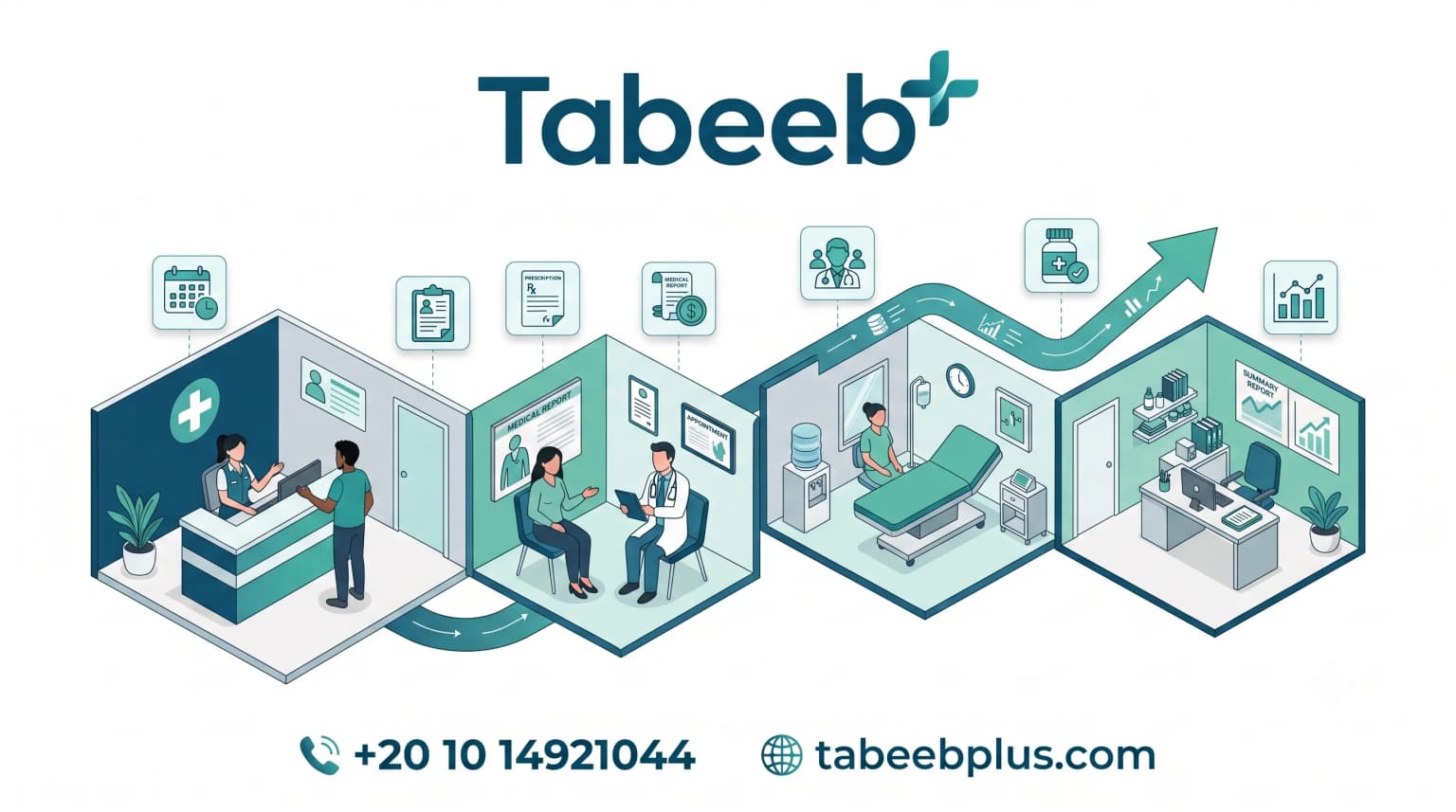
- Optimizing Patient Flow & Clinical Operations
- Financial Management & Revenue Growth Strategies
- Building & Empowering Your Team: The Human Element
- Embracing Technology & Future-Proofing Your Practice
- Frequently Asked Questions (FAQ)
Strategic Planning & Setup: Laying the Foundation
The journey to successful medical clinic management begins long before the first patient walks through the door. Meticulous planning and strategic setup are critical for establishing a robust and compliant practice.
Legal & Regulatory Compliance
Navigating the regulatory landscape is perhaps one of the most challenging aspects of setting up a medical clinic. This includes obtaining necessary licenses, certifications, and adhering to local and international healthcare laws. For instance, understanding patient data privacy regulations, such as HIPAA in the United States or GDPR in Europe, is crucial for protecting sensitive information. Clinics must also comply with quality standards and safety protocols set by health authorities. Regular audits and staff training are essential to maintain compliance and avoid costly penalties. For comprehensive guidelines on patient safety and quality of care, refer to resources from organizations like the World Health Organization (WHO).
Facility Planning & Layout
The physical environment of your clinic significantly impacts patient experience and operational efficiency. A well-designed layout should facilitate smooth patient flow, optimize staff movement, and create a welcoming atmosphere. Consider factors such as:
- Waiting Areas: Comfortable, spacious, and equipped with amenities.
- Consultation Rooms: Private, well-lit, and ergonomically designed for both patients and clinicians.
- Treatment Areas: Equipped with necessary medical devices and supplies, ensuring easy access for staff.
- Administrative Zones: Efficiently laid out for reception, billing, and record-keeping.
- Accessibility: Compliance with accessibility standards for patients with disabilities.
Technology Infrastructure
Modern medical clinic management is inseparable from advanced technology. Investing in the right infrastructure from the outset can save time, reduce errors, and enhance patient care. Key technologies include:
- Practice Management System (PMS): Essential for managing appointments, patient demographics, billing, and reporting.
- Electronic Medical Records (EMR) System: A cornerstone for digital patient charts, prescription management, and clinical documentation. A robust EMR system like Tabeeb Plus provides secure, accessible patient data at your fingertips.
- Communication Systems: Secure internal messaging, patient portals, and integrated phone/VoIP systems.
- Network Security: Robust firewalls, data encryption, and regular backups to protect sensitive information.
Staffing Strategy & Roles
Your team is your greatest asset. A clear staffing strategy defines the roles and responsibilities needed for effective medical clinic management. This includes:
- Physicians/Specialists: Core medical providers.
- Nurses/Medical Assistants: Clinical support, patient intake, minor procedures.
- Administrative Staff: Reception, scheduling, billing, and patient relations.
- Clinic Manager: Oversees daily operations, staff, and ensures smooth functioning.
Careful recruitment, thorough background checks, and clear job descriptions are vital for building a competent and cohesive team.
Optimizing Patient Flow & Clinical Operations
Efficient patient flow and streamlined clinical operations are critical for enhancing patient satisfaction, reducing wait times, and improving overall clinic operational efficiency.
Appointment Management & Scheduling
Poor appointment scheduling can lead to long patient wait times, staff burnout, and lost revenue. Implementing an effective appointment scheduling software is paramount. Key features to look for include:
- Online Booking: Allows patients to schedule appointments at their convenience, reducing administrative burden.
- Automated Reminders: SMS, email, or even WhatsApp integrations significantly reduce no-shows.
- Resource Management: Optimizes the use of consultation rooms, equipment, and staff.
- Templates & Recurring Appointments: Simplifies scheduling for follow-ups and routine visits.
By leveraging such tools, clinics can significantly reduce patient wait times and improve patient experience.
Patient Intake & Workflow Optimization
The patient intake process sets the tone for their entire visit. Streamlining this process enhances efficiency and reduces frustration:
- Digital Registration: Allow patients to complete forms online before their visit.
- Efficient Check-in/Check-out: Use kiosks or dedicated staff to expedite the process.
- Clear Signage & Guidance: Help patients navigate the clinic easily.
Optimizing the entire clinic workflow, from arrival to departure, minimizes bottlenecks and maximizes productivity.
Clinical Workflow & Documentation
Within the examination rooms and treatment areas, an efficient clinical workflow ensures that providers can focus on patient care. This involves:
- Standardized Protocols: For common procedures, examinations, and emergency responses.
- EMR Integration: Seamless access to patient history, current medications, and lab results via the EMR system. This reduces manual charting and potential errors.
- Lab & Imaging Integration: Direct ordering and receipt of results within the EMR, streamlining diagnostic processes.
- Prescription Management: E-prescribing capabilities linked to pharmacies for convenience and safety.
Financial Management & Revenue Growth Strategies
Sound financial management is crucial for the sustainability and Practice Growth of any medical clinic. It encompasses everything from accurate billing to strategic revenue generation.
Billing & Revenue Cycle Management (RCM)
Effective RCM is at the heart of financial success. It involves managing the entire process from patient registration and appointment scheduling to claim submission, payment posting, and follow-up. Key components include:
- Accurate Coding: Using correct CPT, ICD-10, and HCPCS codes to ensure maximum reimbursement.
- Claim Submission: Timely and accurate electronic claims submission.
- Denial Management: Proactive identification and appeal of denied claims.
- Payment Posting & Reconciliation: Accurately recording payments and balancing accounts.
- Patient Collections: Clear policies for co-pays, deductibles, and outstanding balances.
A robust billing system, like that offered by Tabeeb Plus, automates many of these processes, reducing errors and accelerating cash flow.
Inventory & Procurement
Managing medical supplies, pharmaceuticals, and equipment efficiently is vital to control costs and ensure availability. This includes:
- Supplier Management: Negotiating favorable terms with vendors.
- Inventory Tracking: Using software to monitor stock levels, expiration dates, and reorder points.
- Waste Reduction: Implementing strategies to minimize spoilage and obsolescence.
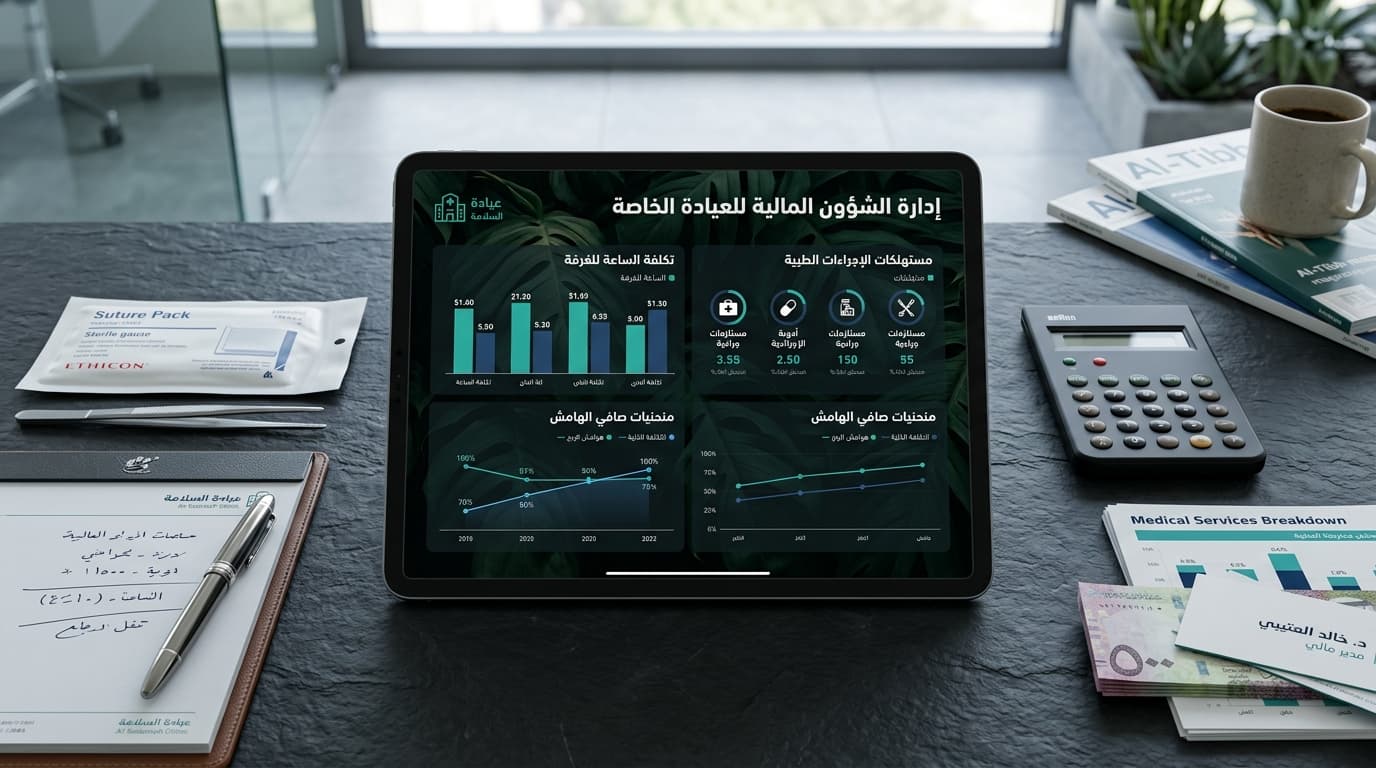
Financial Reporting & Analytics
Regularly analyzing financial data provides insights into the clinic's performance and areas for improvement. Key reports include:
- Revenue Reports: Tracking income from various services and payers.
- Accounts Receivable (AR) Aging: Identifying outstanding balances and potential collection issues.
- Expense Reports: Monitoring operational costs.
- Profitability Analysis: Assessing the profitability of different services or procedures.
These insights inform strategic decisions for Practice Growth and operational adjustments.
Building & Empowering Your Team: The Human Element
The success of any medical clinic management strategy heavily relies on its staff. Investing in your team fosters a positive work environment, reduces turnover, and ultimately enhances patient care.
Recruitment & Onboarding
Attracting and retaining top talent begins with a well-defined recruitment process. This involves:
- Clear Job Descriptions: Outlining responsibilities and qualifications.
- Thorough Interview Process: Assessing both skills and cultural fit.
- Comprehensive Onboarding: Integrating new hires into the clinic's culture, systems, and protocols.
Effective Staff Management starts with a strong foundation.
Training & Professional Development
Continuous learning is essential in healthcare. Provide opportunities for staff to enhance their skills, stay updated on medical advancements, and understand new technologies. This could include:
- Regular Clinical Training: For nurses and medical assistants.
- Software Training: Ensuring proficiency with EMR, PMS, and other systems.
- Customer Service Training: Enhancing patient interaction skills for all staff.
- Compliance Training: Keeping staff informed about regulatory changes.
Performance Management & Retention
Regular performance reviews, constructive feedback, and recognition programs are vital for motivating staff and addressing areas for improvement. Strategies for retention include:
- Competitive Compensation & Benefits: Attractive salary packages and health benefits.
- Positive Work Culture: Fostering teamwork, respect, and open communication.
- Work-Life Balance Initiatives: Flexible scheduling where possible, wellness programs.
- Career Advancement Opportunities: Pathways for professional growth within the clinic.
Team Communication & Culture
Open and effective communication is the bedrock of a high-performing team. Regular staff meetings, clear communication channels, and a culture of transparency help prevent misunderstandings and foster collaboration. Encourage feedback and create an environment where staff feel valued and heard.
Embracing Technology & Future-Proofing Your Practice
The healthcare industry is constantly evolving, with technology driving many of the changes. Adopting innovative solutions is crucial for modern medical clinic management and ensuring long-term success.
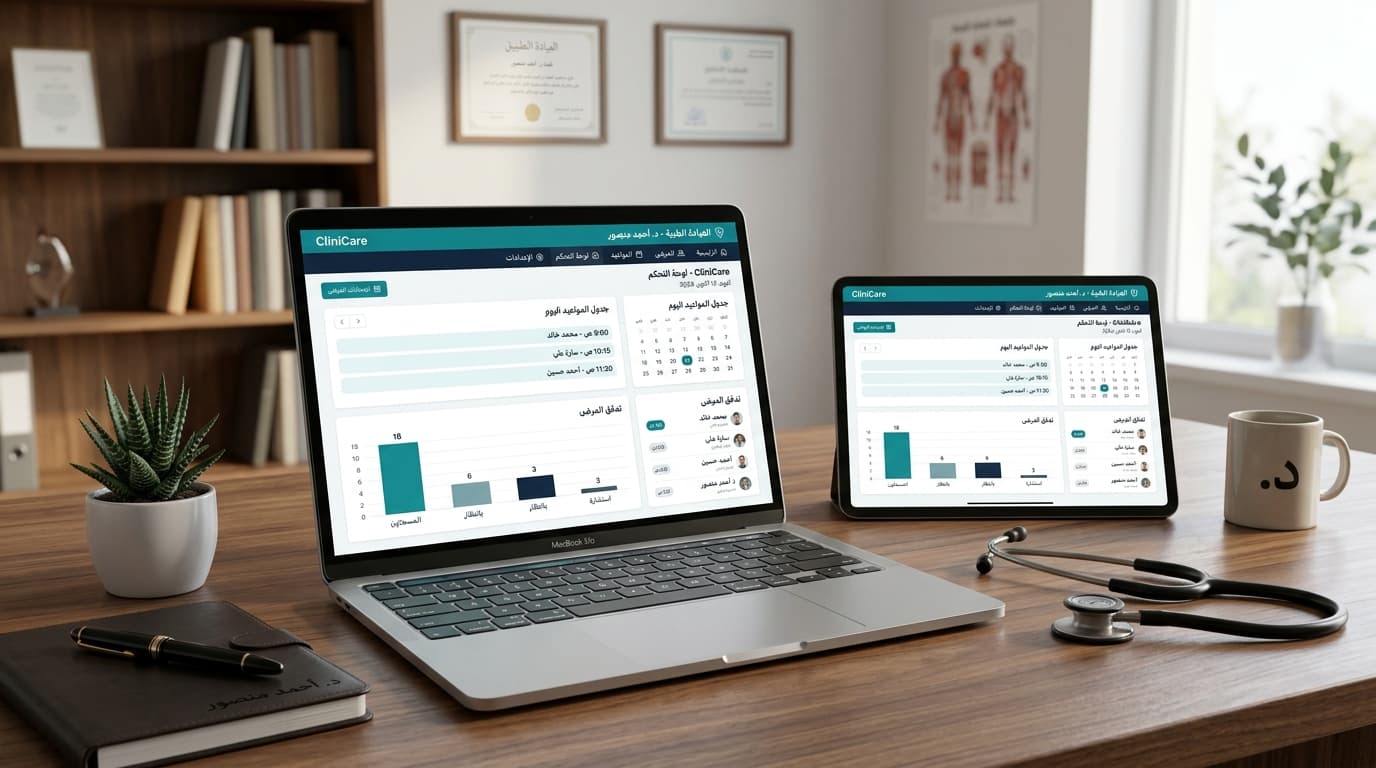
Leveraging Advanced Practice Management Systems
A comprehensive cloud-based practice management system is no longer a luxury but a necessity. It centralizes operations, streamlines workflows, and provides invaluable data for decision-making. Consider the benefits of integrating a system that offers:
- Integrated EMR/EHR: For seamless patient data management.
- Advanced Scheduling: With patient portals and automated reminders.
- Robust Billing & RCM: To optimize revenue.
- Patient Communication Tools: Including secure messaging and WhatsApp integrations.
- Reporting & Analytics: For insights into performance and Practice Growth.
Telehealth & Remote Care Integration
The rise of telehealth has transformed healthcare delivery, offering convenience for patients and expanded reach for clinics. Integrating telehealth capabilities allows clinics to:
- Offer Virtual Consultations: For follow-ups, chronic disease management, and minor ailments.
- Expand Patient Reach: Serve patients in remote areas or those with mobility issues.
- Improve Accessibility: Reduce barriers to care.
Data Analytics for Informed Decision-Making
Harnessing the power of data is key to strategic medical clinic management. Analytics can provide insights into:
- Patient Demographics & Trends: Understanding your patient base.
- Operational Bottlenecks: Identifying areas where efficiency can be improved.
- Financial Performance: Pinpointing profitable services and cost centers.
- Marketing Effectiveness: Evaluating the ROI of marketing campaigns.
This data-driven approach supports continuous improvement and strategic planning.
Comparison: Traditional vs. Modern Clinic Management
To highlight the advantages of embracing modern, technology-driven approaches, consider the stark differences between traditional and contemporary medical clinic management practices:
| Feature | Traditional Clinic Management | Modern Clinic Management (e.g., Tabeeb Plus) |
|---|---|---|
| Appointment Scheduling | Manual ledger/calendar, phone calls, high no-show rate. | Online patient portal, automated reminders (SMS/WhatsApp), reduced no-shows, optimized schedules. |
| Patient Records | Paper charts, physical storage, difficult retrieval, security risks. | Electronic Medical Records (EMR), cloud-based, secure, instant access, data backup. |
| Billing & Invoicing | Manual claim submission, paper invoices, high error rate, slow reimbursement. | Automated billing system, electronic claim submission, real-time eligibility checks, faster RCM. |
| Patient Communication | Phone calls, letters, limited engagement. | Secure patient portal, messaging, telehealth, automated recalls, WhatsApp integration. |
| Operational Efficiency | Manual processes, bottlenecks, long wait times, high administrative burden. | Streamlined workflows, reduced patient wait times, automated tasks, data-driven insights. |
| Data Analytics | Little to no data analysis, decisions based on intuition. | Comprehensive reports, performance dashboards, informed strategic planning, Practice Growth insights. |
| Accessibility & Mobility | Tied to physical office. | Cloud-based access from anywhere, telehealth capabilities. |
Frequently Asked Questions (FAQ)
What is the most critical aspect of effective medical clinic management?
While many aspects are crucial, patient safety and quality of care stand out. This encompasses everything from clinical protocols and staff training to maintaining accurate records and ensuring a sterile environment. Operational efficiency and financial stability are secondary to providing excellent patient outcomes.
How can I reduce patient wait times in my clinic?
Reducing patient wait times can be achieved through several strategies: implementing an efficient appointment scheduling software with automated reminders, optimizing clinic workflow to minimize bottlenecks at check-in/check-out, standardizing clinical processes, and accurately estimating appointment durations. Utilizing patient portals for pre-registration also helps.
What role does technology play in modern medical clinic management?
Technology is central to modern medical clinic management. It streamlines operations through EMR systems, improves patient engagement via online portals and automated communications, optimizes billing and revenue cycle management, and provides valuable data for strategic decision-making. Tools like Tabeeb Plus integrate these functionalities into one cohesive platform.
How can I improve my clinic's financial health?
Improving financial health involves meticulous billing and revenue cycle management, ensuring accurate coding and timely claim submission, proactive denial management, and efficient patient collections. Additionally, regularly analyzing financial reports, managing inventory effectively, and exploring new service offerings can contribute significantly.
What are the biggest challenges in staff management for medical clinics?
Key challenges in Staff Management include recruitment and retention of qualified personnel, managing staff burnout, fostering effective team communication, ensuring continuous training and professional development, and navigating complex HR regulations. Creating a positive work culture and providing growth opportunities are vital for overcoming these challenges.
Is a cloud-based EMR/PMS system secure for patient data?
Reputable cloud-based EMR/PMS systems, like Tabeeb Plus, employ robust security measures including end-to-end encryption, multi-factor authentication, regular data backups, and adherence to strict data privacy regulations (e.g., HIPAA, GDPR). They often offer a higher level of security than on-premise systems, which can be vulnerable to local hardware failures or security breaches if not meticulously maintained.
How can I effectively market my medical clinic for growth?
Effective clinic marketing involves a multi-faceted approach. This includes building a strong online presence (website, social media, local SEO), engaging in patient referral programs, offering high-quality patient experiences that encourage word-of-mouth, and potentially leveraging targeted digital advertising. Understanding your patient demographics and tailoring your outreach efforts accordingly is key for Practice Growth.
Mastering medical clinic management is a continuous journey that demands adaptability, strategic foresight, and a commitment to excellence. From establishing a solid foundation with meticulous planning and regulatory adherence to optimizing daily operations with advanced technology and empowering your staff, every aspect contributes to the clinic's overall success. By focusing on efficient patient flow, robust financial practices, and a culture of continuous improvement, clinics can not only survive but thrive in the competitive healthcare landscape. Embracing innovative solutions, particularly integrated practice management systems, is no longer optional but essential for enhancing patient care, boosting operational efficiency, and securing sustainable Practice Growth. Take the proactive step towards transforming your clinic's management and delivering unparalleled patient experiences.