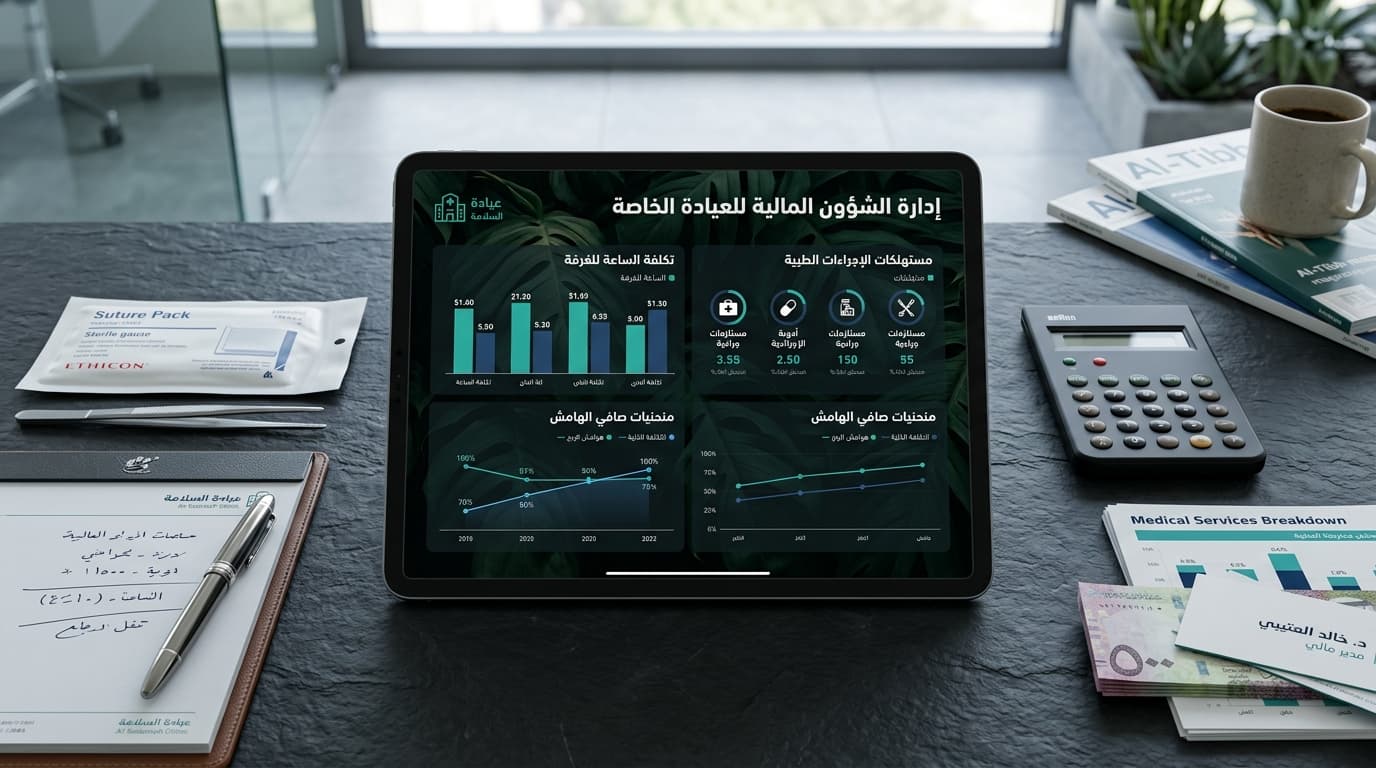
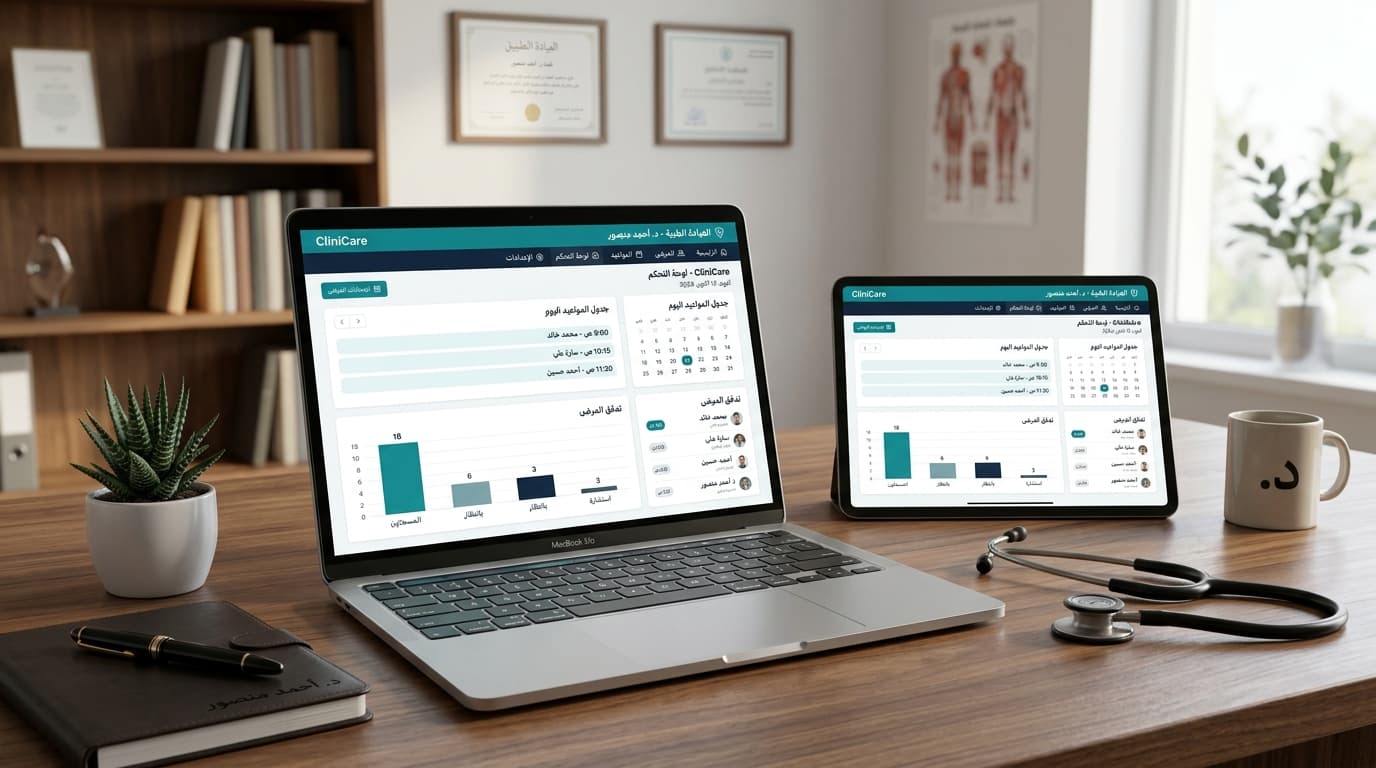
The intricate ecosystem of healthcare demands precision, empathy, and above all, exceptional organization. For any medical practice, effective medical clinic management is the bedrock of success, impacting everything from patient satisfaction to financial viability. Yet, even the most dedicated clinic managers can fall prey to common pitfalls that erode efficiency, increase operational costs, and ultimately compromise patient care. Understanding these prevalent mistakes is the first step towards building a resilient, patient-centric, and profitable practice. This article delves into the top management errors observed in clinics today and provides actionable strategies to avoid them, ensuring your practice thrives in a competitive healthcare landscape.
Table of Contents
- Inefficient Patient Flow & Appointment Scheduling
- Neglecting Digital Transformation & Data Management
- Financial Mismanagement & Billing Inaccuracies
- Suboptimal Patient Communication & Engagement
- Staff Management & Compliance Oversights
- Frequently Asked Questions (FAQs)
- Conclusion: Paving the Way for Clinic Excellence
Inefficient Patient Flow & Appointment Scheduling
The patient journey often begins and ends with appointments and movement within the clinic. Bottlenecks and inefficiencies in this critical area can quickly lead to frustration for both patients and staff, directly impacting your clinic's reputation and operational efficiency.
Mistake 1: Relying on Manual Appointment Scheduling and Overbooking
Many clinics, especially smaller ones, continue to use manual methods like paper diaries or basic spreadsheets for Appointments Management. While seemingly simple, this approach is ripe for errors. Double bookings, missed appointments, and inefficient time slot allocation are common occurrences. This not only leads to patient dissatisfaction due to extended waiting times but also results in lost revenue from no-shows and underutilized practitioner time.
How to Avoid It:
- Implement Advanced Appointment Scheduling Software: Invest in a robust appointment scheduling software that automates the booking process, sends automated reminders, and allows for online patient self-scheduling. This significantly reduces human error and administrative burden.
- Optimize Scheduling Logic: Configure your system to account for different appointment types (e.g., follow-ups, new patient consultations, procedures) and their respective time requirements. This ensures a more realistic and efficient schedule.
Mistake 2: Long Patient Wait Times and Poor Triage
Patients value their time, and excessive wait times are a major complaint across healthcare facilities. This issue often stems from a lack of clear clinic workflow optimization and inadequate patient triage processes. Patients might be seen out of order, or critical cases might not be prioritized effectively, leading to suboptimal care and heightened patient anxiety.
How to Avoid It:
- Streamline Patient Check-in/Check-out: Implement digital check-in kiosks or online forms to expedite the process.
- Enhance Triage Protocols: Train front-desk staff to perform basic triage, identifying urgent cases that need immediate attention.
- Analyze Patient Flow: Regularly review patient arrival, consultation, and departure times to identify bottlenecks. Tools like Reports & Analytics can provide valuable insights into reduce patient wait times and improve overall clinic operational efficiency.
- Communicate Proactively: If delays are unavoidable, inform patients promptly and provide an estimated waiting time.
Neglecting Digital Transformation & Data Management
In an increasingly digital world, clinics that lag in technology adoption not only fall behind competitors but also risk compromising patient data security and the quality of care.
Mistake 3: Outdated Record Keeping and Paper Charts
The reliance on paper-based patient records is perhaps one of the most significant drawbacks in modern medical clinic management. Paper charts are prone to loss, damage, and misfiling. They are difficult to share securely, hinder quick access to patient history, and can lead to legibility issues, increasing the risk of medical errors. Furthermore, retrieving specific data for audits or research becomes a monumental task.
How to Avoid It:
- Adopt an Electronic Medical Records (EMR) System: Transitioning to a comprehensive EMR system is paramount. An EMR centralizes patient data, improves accessibility, enhances security, and allows for seamless information sharing among authorized personnel.
- Digitize Existing Records: Develop a strategic plan to scan and integrate historical paper records into your EMR system.
Mistake 4: Ignoring Data and Analytics
Many clinics collect vast amounts of operational and patient data but fail to leverage it effectively. Ignoring Reports & Analytics means missing crucial insights into practice performance, patient demographics, common diagnoses, and financial trends. This leads to reactive decision-making rather than proactive strategic planning.
How to Avoid It:
- Utilize EMR and Practice Management System Capabilities: Modern systems offer robust reporting features. Regularly generate reports on patient demographics, appointment no-show rates, service utilization, and revenue streams.
- Focus on Key Performance Indicators (KPIs): Define and track KPIs relevant to your clinic's goals, such as patient satisfaction scores, average wait times, revenue per patient visit, and staff productivity.
- Regular Data Review Meetings: Schedule regular meetings with your team to review data, identify trends, and brainstorm solutions for areas needing improvement. This fosters a culture of continuous improvement in clinic operational efficiency.
Financial Mismanagement & Billing Inaccuracies
The financial health of a clinic is as crucial as its clinical excellence. Mistakes in billing, coding, and financial oversight can lead to significant revenue loss and administrative headaches.
Mistake 5: Inefficient Billing Processes and Claim Denials
Complex healthcare billing and coding regulations mean that errors are common. Incorrect coding, missed deadlines, and insufficient documentation lead to claim denials, delayed payments, and increased administrative costs. Manual billing processes are particularly susceptible to these issues, creating a drain on resources and cash flow.
How to Avoid It:
- Implement Automated Billing Software: Invest in a billing system that integrates with your EMR, automates claims submission, tracks payment statuses, and flags potential coding errors.
- Regular Staff Training: Ensure your billing staff are continuously updated on the latest coding guidelines (e.g., ICD-10, CPT) and insurance policies.
- Pre-authorization & Eligibility Checks: Automate or streamline the process of verifying patient insurance eligibility and obtaining pre-authorizations before services are rendered.
Mistake 6: Lack of Transparent Financial Reporting
Without clear, regular financial reports, clinic managers operate in the dark regarding their practice's profitability, expenses, and cash flow. This lack of transparency makes it impossible to identify financial leakage, make informed budgeting decisions, or plan for future investments.
How to Avoid It:
- Utilize Practice Management Software for Financial Tracking: Leverage your practice management system's financial modules to generate detailed reports on revenue, expenses, accounts receivable, and profitability.
- Regular Financial Reviews: Conduct monthly or quarterly financial reviews with key stakeholders. Compare actual performance against budgets and identify variances.
- Implement Clear Payment Policies: Communicate patient payment responsibilities upfront and offer various payment options to improve collections.
Suboptimal Patient Communication & Engagement
Patient experience extends beyond the examination room. Effective communication and engagement are vital for building trust, ensuring adherence to treatment plans, and fostering loyalty.
Mistake 7: Poor Communication Channels and Lack of Accessibility
Patients often struggle to reach their clinic, get timely responses to queries, or receive important health information. Relying solely on phone calls or outdated communication methods can lead to missed appointments, confusion, and a perception of poor patient service. In today's fast-paced world, patients expect convenience and accessibility.
How to Avoid It:
- Implement Multi-channel Communication: Offer various ways for patients to communicate, including secure patient portals, email, and instant messaging services like WhatsApp integrations for non-urgent queries and reminders.
- Automated Reminders: Utilize your appointment system to send automated reminders via SMS or email, reducing no-shows and ensuring patients are prepared for their visits.
- Clear Communication Protocols: Establish clear guidelines for staff on how to respond to patient inquiries promptly and professionally.
Mistake 8: Neglecting Patient Feedback
Many clinics fail to actively solicit and act upon patient feedback. This oversight means missing valuable opportunities to understand patient needs, identify areas for improvement, and address concerns before they escalate. Ignoring feedback can lead to a disconnect between the services offered and patient expectations.
How to Avoid It:
- Implement Patient Satisfaction Surveys: Regularly distribute anonymous surveys (online or paper-based) to gather feedback on various aspects of the patient experience.
- Utilize Online Reviews: Monitor and respond professionally to online reviews on platforms like Google, specialized healthcare directories, and social media.
- Create a Feedback Loop: Establish a clear process for reviewing feedback, identifying actionable insights, and communicating changes made based on patient input.
Staff Management & Compliance Oversights
The human element is central to any clinic's success. How staff are managed, trained, and supported, along with adherence to regulatory standards, directly impacts service quality and clinic reputation.
Mistake 9: Inadequate Staff Training and Burnout
Under-trained staff can lead to inefficiencies, errors, and a poor patient experience. Equally detrimental is staff burnout, which often results from excessive workload, lack of support, and poor work-life balance. Burnout decreases productivity, increases turnover, and negatively impacts team morale and patient interactions.
How to Avoid It:
- Continuous Professional Development: Invest in regular training programs for all staff, covering clinical skills, administrative processes, customer service, and new technology adoption.
- Foster a Supportive Work Environment: Promote open communication, recognize achievements, and provide opportunities for professional growth.
- Monitor Workload and Promote Work-Life Balance: Use clinic workflow tools to distribute tasks fairly and identify staff who might be overloaded. Encourage breaks and discourage excessive overtime.
Mistake 10: Overlooking Regulatory Compliance and Data Security
Healthcare is a heavily regulated industry. Failing to comply with standards such as HIPAA (Health Insurance Portability and Accountability Act) for patient data privacy and security can result in hefty fines, legal repercussions, and severe damage to a clinic's reputation. Many clinics underestimate the complexity and importance of these regulations.
How to Avoid It:
- Conduct Regular Compliance Audits: Periodically review your clinic's practices against relevant healthcare regulations and guidelines.
- Implement Robust Data Security Measures: Ensure all digital systems, especially your EMR and practice management software, have strong encryption, access controls, and regular backup protocols. Train staff on data privacy best practices. For comprehensive guidance on patient data protection, refer to resources from organizations like HHS on HIPAA compliance.
- Develop a Data Breach Response Plan: Have a clear plan in place for how to respond in the event of a data breach, including notification protocols.
Comparison: Manual vs. Automated Clinic Management
Understanding the stark differences between traditional manual approaches and modern automated systems can highlight the advantages of digital transformation in medical clinic management.
| Feature | Manual Clinic Management | Automated Clinic Management (with Tabeeb Plus) |
|---|---|---|
| Appointment Scheduling | Paper diaries, spreadsheets; prone to double bookings, missed appointments. | Online scheduling, automated reminders, reduced no-shows, optimized practitioner time. |
| Patient Records | Paper charts; difficult to access, prone to loss, security risks, illegibility. | EMR system; secure, accessible, searchable, enhanced data integrity. |
| Billing & Invoicing | Manual coding, paper invoices; high error rate, delayed payments, more claim denials. | Integrated billing system; automated claims, accurate coding, faster reimbursements, transparent financial tracking. |
| Patient Communication | Phone calls, letters; limited reach, slow response times, high staff burden. | Patient portals, SMS, email, WhatsApp integrations; instant communication, improved engagement, automated updates. |
| Reporting & Analytics | Manual data compilation, basic insights, time-consuming. | Real-time dashboards, comprehensive Reports & Analytics, data-driven decision making, improved clinic operational efficiency. |
| Overall Efficiency | High administrative burden, slower patient flow, increased operational costs. | Streamlined clinic workflow, reduced administrative tasks, lower overheads, enhanced patient experience. |
Frequently Asked Questions (FAQs)
What is the biggest challenge in medical clinic management today?
One of the biggest challenges is balancing high-quality patient care with operational efficiency and financial sustainability. This often involves navigating complex regulations, managing staff, adopting new technologies, and meeting evolving patient expectations.
How can technology help reduce patient wait times?
Technology like advtabeebplus.com/eebplus.com/appointments">appointment scheduling software, digital check-in systems, and integrated EMR allows for better scheduling, streamlined patient intake, and quick access to patient information, all contributing to a smoother patient flow and significantly shorter wait times.
Why are patient feedback and communication so important?
Patient feedback provides invaluable insights into areas where your clinic excels and where improvements are needed, directly impacting patient satisfaction and loyalty. Effective communication builds trust, ensures patients are informed about their care, and helps reduce no-shows and misunderstandings.
What are the key benefits of using an EMR system?
An EMR system centralizes patient records, improves data accuracy, enhances communication among healthcare providers, reduces the risk of medical errors, and strengthens data security. It also facilitates easier access to patient history and streamlines billing processes.
How often should a clinic review its financial performance?
Clinics should review their financial performance at least monthly. Regular financial Reports & Analytics help identify trends, manage cash flow, monitor expenses, and ensure the practice remains financially healthy. Quarterly and annual reviews are also crucial for strategic planning.
What role does staff training play in clinic operational efficiency?
Well-trained staff are more competent, productive, and confident in their roles. This directly translates to improved clinic operational efficiency, fewer errors, better patient interactions, and higher job satisfaction. Continuous training ensures staff are up-to-date with best practices and new technologies.
How can a clinic ensure HIPAA compliance?
Ensuring HIPAA compliance involves implementing robust data security measures (encryption, access controls), regular staff training on privacy protocols, conducting risk assessments, and having a clear data breach response plan. Partnering with a reputable EMR/practice management provider that is HIPAA-compliant is also essential.
Conclusion: Paving the Way for Clinic Excellence
Navigating the complexities of medical clinic management requires vigilance, adaptability, and a commitment to continuous improvement. By proactively addressing common mistakes related to patient flow, digital adoption, financial oversight, communication, and staff management, clinics can significantly enhance their operational efficiency, improve patient satisfaction, and foster a thriving practice environment. Embracing modern technology and data-driven decision-making is no longer an option but a necessity for success in today's healthcare landscape. Equip your practice with the tools it needs to excel and avoid these common pitfalls.
Discover how Tabeeb Plus can transform your practice, streamline operations, and elevate patient care. Experience the ultimate cloud-based practice management system designed for the modern clinic.