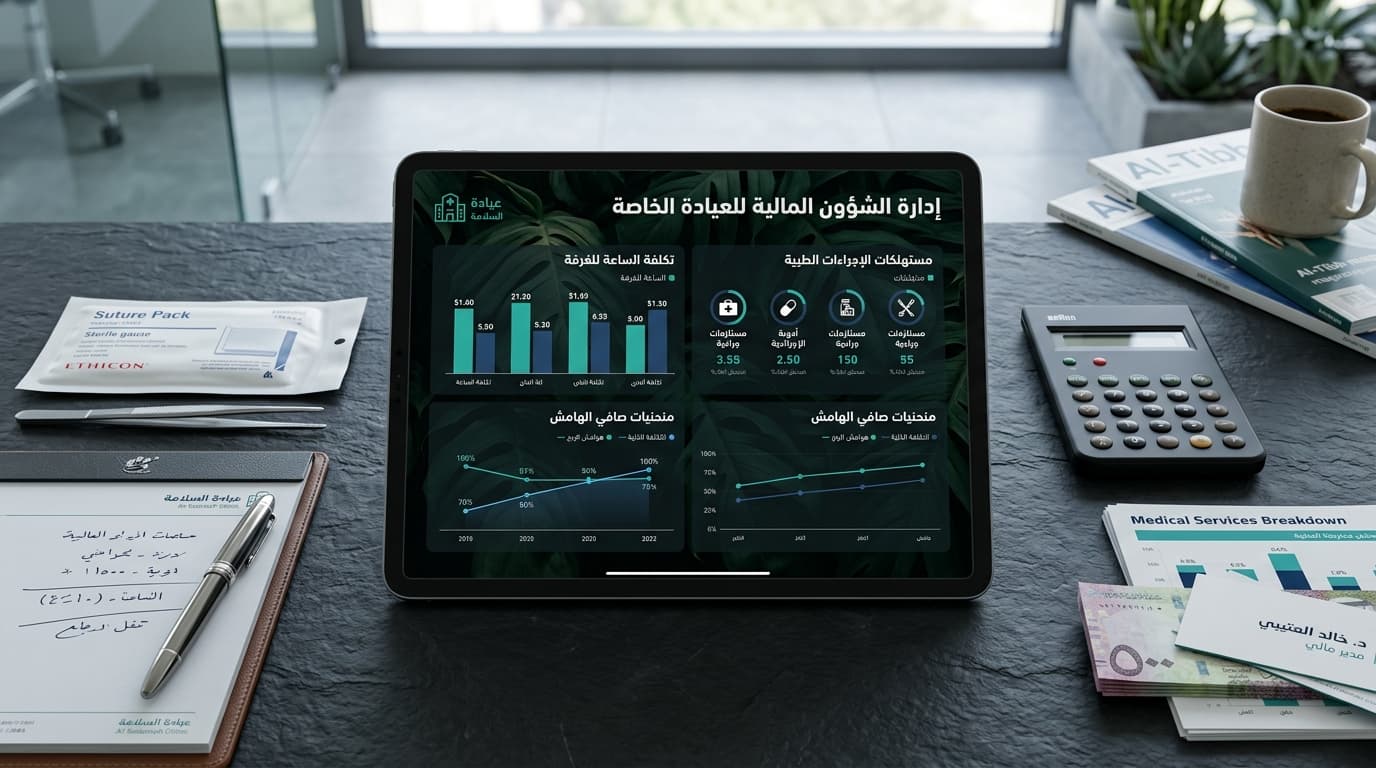
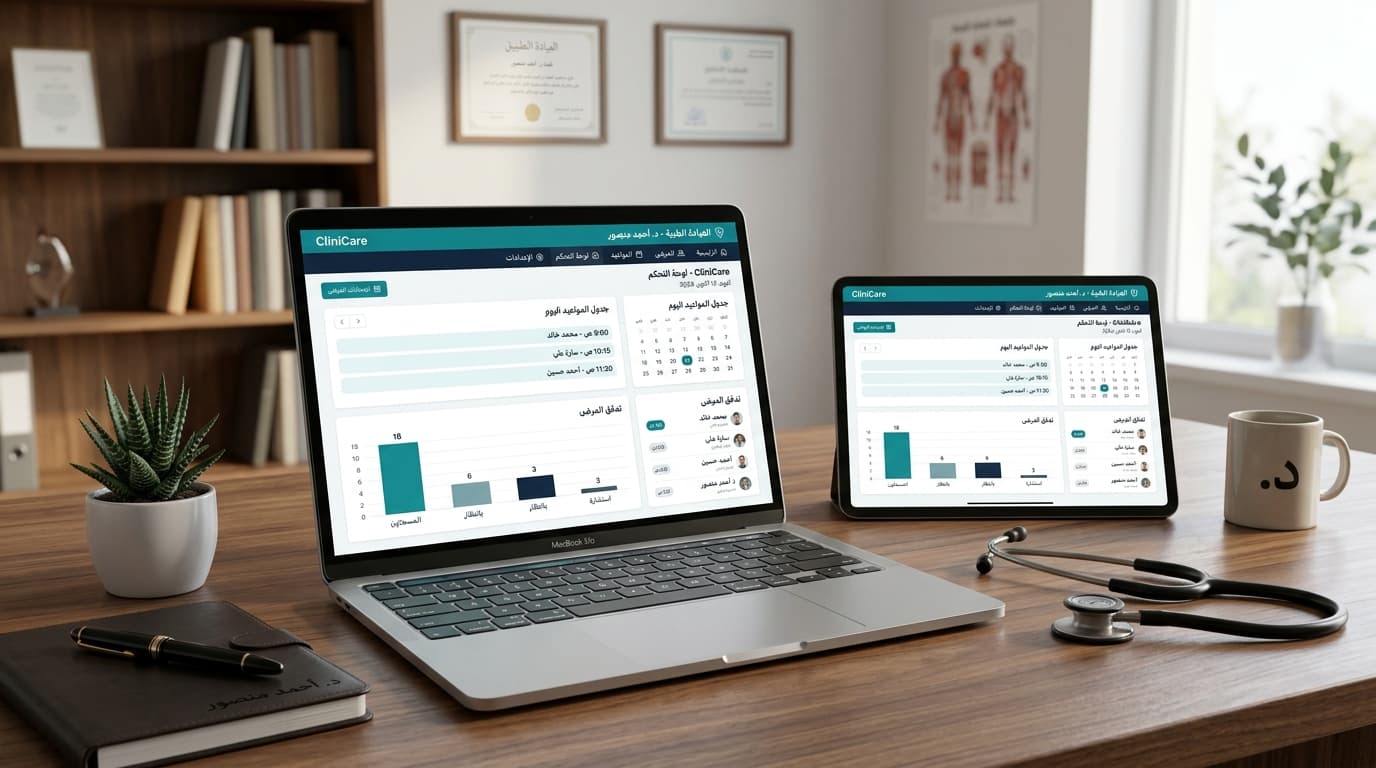
Running a successful medical practice in today's fast-paced healthcare landscape requires more than clinical excellence; it demands administrative agility. To achieve this, modern clinics rely on a robust clinic management software to coordinate patient care, scheduling, and billing. However, a software platform that operates in isolation can create data silos, forcing administrative staff to manually copy and paste information between different systems. This manual data entry increases the risk of human error, slows down patient check-outs, and delays diagnostic workflows.
The solution lies in seamless digital connectivity. By leveraging modern application programming interfaces (APIs) and third-party integrations, clinics can transform their management platform into a unified operational hub. This comprehensive guide explores how clinic software integrations and APIs connect electronic medical records (EMR) with laboratory networks, billing gateways, and regional insurance systems to build a highly efficient, error-free healthcare ecosystem.
Table of Contents
- 1. The Architecture of Connectivity: Understanding Clinic Software Integrations and APIs
- 2. Streamlining Financial Workflows: How to Integrate Billing and Payment Gateways
- 3. Bridging Clinical and Diagnostic Gaps: EMR Laboratory System Sync
- 4. Navigating Insurance Verification and Regional Claims Engines
- 5. The Pillars of Healthcare Interoperability and Security Standards
- 6. Comparison Matrix: Legacy Silos vs. API-Enabled Ecosystems
- 7. Strategic Implementation: Transitioning to an Integrated Clinic Environment
- 8. Frequently Asked Questions (FAQs)
1. The Architecture of Connectivity: Understanding Clinic Software Integrations and APIs
In medical informatics, an Application Programming Interface (API) acts as a secure digital bridge that allows different software applications to communicate and share data in real-time. When a clinic utilizes a modern clinic software integrations API, it eliminates the need for manual data synchronization. Instead of export-import routines, databases update instantly across all connected platforms.
The Shift from Monolithic to Modular Systems
Historically, medical practices relied on monolithic desktop programs that tried to handle every task internally. These systems were slow to adapt, difficult to update, and expensive to customize. Today, the industry has shifted toward modular, cloud-native systems. Through secure medical API connectivity, clinics can select the best specialized tools for invoicing, diagnostic imaging, and patient communication, linking them directly to their primary clinical database.
How APIs Facilitate Real-Time Data Flows
When a patient books an appointment online, checks in at the reception desk, or receives a prescription, a series of API calls occur behind the scenes. For instance, a RESTful API payload containing JSON data might instantly update the patient's record, alert the nursing staff, and prepare an invoice. This real-time data flow reduces administrative delays, allowing clinical staff to focus entirely on patient care rather than data entry.
2. Streamlining Financial Workflows: How to Integrate Billing and Payment Gateways
Managing cash flow, patient co-pays, and outstanding balances is one of the most complex aspects of running a medical practice. When clinics integrate billing payment gateway solutions directly into their administrative dashboard, they simplify the entire financial lifecycle for both staff and patients.
Eliminating Manual Reconciliation Errors
In a non-integrated setup, a receptionist must manually type the invoice amount into a physical point-of-sale (POS) card terminal, wait for the transaction to clear, and then manually mark the invoice as "Paid" in the system. This process is highly prone to errors, such as typos in payment amounts or forgotten status updates, which complicate end-of-day reconciliation. An integrated billing system automating this workflow ensures that the moment a card is tapped, the corresponding invoice is instantly updated and closed within the database.
Supporting Regional Payment Methods
For medical practices operating in Egypt, Saudi Arabia, and the UAE, offering localized payment methods is essential for patient satisfaction. Modern integrations support a wide variety of payment gateways, including:
- Mada: The national payment network of Saudi Arabia, crucial for local debit card processing.
- Fawry: Egypt’s leading electronic payment network, allowing patients to pay bills via local kiosks and digital wallets.
- Apple Pay and Google Pay: Widely used across the UAE and KSA for contactless, secure mobile payments.
- Online Payment Links: Automatically generated via API and sent to patients via SMS or WhatsApp, allowing them to settle balances prior to their appointment scheduling.
3. Bridging Clinical and Diagnostic Gaps: EMR Laboratory System Sync
Diagnostic testing is a critical component of clinical decision-making. However, ordering tests and retrieving results manually via email, paper forms, or external portals is slow and increases the risk of diagnostic delays. Implementing an EMR laboratory system sync creates a bidirectional data pathway that connects the clinician's workspace directly with internal or external laboratory information systems (LIS).
"A seamless laboratory integration ensures that clinical decisions are guided by real-time, accurate diagnostic data, eliminating the delays and transcription errors associated with manual paperwork."
The Bidirectional Workflow Explained
A bidirectional laboratory integration operates through a highly structured three-step process:
- The Order: The physician selects the required diagnostic tests (such as a complete blood count or lipid profile) directly within the patient’s electronic chart. The integration packages this order with the patient's unique demographic details and transmits it securely to the laboratory.
- The Processing: The laboratory receives the digital order, scans the corresponding barcode on the sample tube, and processes the test. Because the patient data is pre-populated, there is zero risk of mislabeling or matching the sample to the wrong record.
- The Result: Once the lab technicians validate the test results, the LIS transmits the structured data back to the clinic's software. The results are automatically populated into the patient's EMR, highlighting abnormal values and alerting the ordering physician immediately.
By standardizing these transactions using internationally recognized codes, such as LOINC (Logical Observation Identifiers Names and Codes) and SNOMED CT, clinics ensure that lab results are structured, searchable, and easy to interpret across different clinical settings.
4. Navigating Insurance Verification and Regional Claims Engines
In the Middle East, the healthcare sector is heavily reliant on insurance systems, which are governed by strict regulatory frameworks. Managing pre-authorizations, verifying patient eligibility, and submitting claims manually can easily overwhelm a clinic’s administrative staff. API integrations solve this challenge by connecting the clinic's software directly to national health insurance gateways.
Real-Time Eligibility Verification
Instead of calling insurance providers or logging into multiple external web portals, front-desk staff can verify a patient's insurance status in seconds. An API query sent directly from the registration screen checks the patient's national ID or insurance card number against the payer's database, returning real-time details regarding co-pays, deductibles, and covered services.
Integrating with Regional Regulatory Gateways
Governments across the Arab world have introduced centralized digital health platforms to standardize insurance transactions and clinical data sharing. Modern clinic software must integrate with these platforms to remain compliant:
- NPHIES (Saudi Arabia): The National Platform for Health and Information Exchange Services in KSA. Integrated systems communicate directly with NPHIES to process real-time eligibility checks, pre-authorizations, and claims submissions, drastically reducing rejection rates.
- Malaffi (Abu Dhabi) & Nabidh (Dubai): Centralized health information exchanges in the UAE. These platforms require clinics to securely upload clinical data to build a unified longitudinal record for every patient in the emirate.
- Dhaman (Kuwait) & Egyptian Universal Health Insurance (UHIS): Evolving national frameworks designed to digitize public and private healthcare interactions, requiring robust API connectivity for seamless participation.
5. The Pillars of Healthcare Interoperability and Security Standards
As clinics open their digital borders to external systems, safeguarding patient privacy and maintaining data security is of utmost importance. Achieving true healthcare interoperability requires a careful balance between open data exchange and strict compliance with local and international security standards.
Standardized Data Sharing Protocols
To ensure that different healthcare systems can understand each other, integrations rely on standardized protocols. The global benchmark for this exchange is the HL7 FHIR (Fast Healthcare Interoperability Resources) standard. FHIR uses modern, lightweight web technologies (like JSON and HTTP-based RESTful APIs) to make sharing clinical data as simple and secure as online banking.
Compliance and Regional Data Residency Laws
When transmitting medical and financial data across networks, clinics must comply with strict legal frameworks:
- HIPAA Compliance: The Health Insurance Portability and Accountability Act sets the global standard for protecting sensitive patient data, requiring secure access controls, audit logs, and data encryption.
- Local Data Residency Regulations: Many countries in the Gulf region, particularly Saudi Arabia (under the National Data Management Office - NDMO) and the UAE (under Health Data Law Federal Decree-Law No. 2 of 2019), strictly prohibit the storage or transmission of patient health information outside national borders. Therefore, clinic software must utilize locally hosted cloud servers (such as AWS or Microsoft Azure data centers located within KSA or the UAE) to process API transactions.
- End-to-End Encryption: All data transmitted via APIs must be encrypted using advanced protocols (such as TLS 1.3 for data in transit and AES-256 for data at rest) to prevent unauthorized interception.
6. Comparison Matrix: Legacy Silos vs. API-Enabled Ecosystems
To understand the operational and financial impact of upgrading to an integrated, API-driven platform, consider the following comparison between legacy systems and modern, connected clinic software:
| Operational Metric | Legacy Siloed Systems | Basic API Integrations | Advanced Cloud-Native APIs (TabeebPlus) |
|---|---|---|---|
| Data Sync Speed | Manual batch exports or paper-based transfers. Delayed by hours or days. | Scheduled daily or hourly sync. Moderate latency. | Instantaneous, real-time bidirectional data synchronization. |
| Billing & Payments | Manual entry on POS terminals. High risk of reconciliation discrepancies. | Separate payment link generator. Manual ledger updates required. | Fully integrated billing gateways (Mada, Fawry, Apple Pay) with automated reconciliation. |
| Lab Order Workflow | Paper forms sent with patients. Results scanned and uploaded as static PDFs. | One-way digital orders. Results must still be manually attached to charts. | Bidirectional EMR-laboratory sync with automated alerts and structured, searchable data. |
| Insurance Processing | Manual portals, phone verifications, and paper claim submissions. High rejection rates. | Semi-automated portal uploads. Batch processing of claims. | Real-time integration with regulatory engines (NPHIES, Malaffi, Nabidh) at the point of care. |
| Patient Experience | Long wait times at reception. Disconnected patient communications. | Basic SMS reminders. No online payment or self-service portals. | Seamless patient journeys with online booking, digital check-in, and instant mobile payments. |
7. Strategic Implementation: Transitioning to an Integrated Clinic Environment
Upgrading your medical practice to an API-enabled environment requires a structured implementation plan to minimize disruption to daily clinical workflows.
Step 1: Conduct an Operational Audit
Identify the bottlenecks in your current workflows. Document how much time your staff spends manually entering payment details, chasing laboratory results, or checking insurance eligibility. This audit will help you prioritize which integrations will deliver the highest return on investment.
Step 2: Choose an API-First Clinic Management Software
Ensure that your core software platform is built with an open, secure, and well-documented API framework. A platform like TabeebPlus is designed specifically to connect with regional payment gateways, diagnostic laboratories, and government insurance networks, making the integration process smooth and straightforward.
Step 3: Coordinate with External Partners
Reach out to your preferred laboratory networks, local banks, and payment providers to obtain their API documentation and credentials. Your software provider's technical team will use these credentials to establish secure connections between your clinic database and external servers.
Step 4: Conduct Rigorous Testing
Before launching your new integrations, run comprehensive tests in a secure sandbox environment. Verify that test lab orders are received correctly, mock payments clear successfully, and insurance eligibility checks return accurate data without errors.
Step 5: Train Your Staff
Provide hands-on training for your clinical and administrative teams. Ensure that receptionists understand how to use the integrated payment flows, and that physicians know how to order tests and review results directly within the EMR. Highlight how these automated workflows save time and reduce daily administrative stress.
8. Frequently Asked Questions (FAQs)
What is a clinic software API, and why does my medical practice need it?
An Application Programming Interface (API) is a secure digital bridge that allows your clinic management software to communicate and exchange data with external systems in real-time. Your practice needs it to automate tedious administrative tasks, such as syncing laboratory results, processing electronic payments, and verifying insurance eligibility, which eliminates manual data entry errors and speeds up daily workflows.
How does integrating a billing payment gateway improve my clinic's revenue cycle?
Integrating a billing payment gateway connects your invoicing system directly with card terminals and online payment networks (such as Mada, Fawry, and Apple Pay). When a patient pays, the invoice is automatically updated and closed in your database. This eliminates manual ledger reconciliation errors, reduces patient wait times at checkout, and makes it easy to collect outstanding balances via secure SMS or WhatsApp payment links.
Can modern clinic software integrate with regulatory insurance platforms like NPHIES in Saudi Arabia?
Yes. Advanced cloud-native clinic management systems are built to interface directly with regional regulatory gateways like NPHIES in KSA, as well as Malaffi and Nabidh in the UAE. These integrations allow your staff to run real-time eligibility checks, submit prior-authorization requests, and process insurance claims instantly, significantly reducing claim rejections and administrative delays.
What is the difference between HL7 and FHIR in healthcare interoperability?
HL7 (Health Level Seven) is an older, traditional standard for exchanging clinical data, which often requires complex, custom-built interfaces. FHIR (Fast Healthcare Interoperability Resources) is the modern successor to HL7. It uses lightweight, web-based technologies (like JSON and RESTful APIs) to make sharing medical data faster, more secure, and highly scalable across different platforms.
How does EMR laboratory system sync protect patient safety?
By creating a bidirectional digital connection, the EMR laboratory system sync ensures that lab orders are transmitted directly from the physician's screen to the lab without manual paperwork. This eliminates transcription errors, prevents sample mislabeling, and automatically delivers structured results directly into the correct patient's digital chart, alerting the doctor immediately to any abnormal values.
Are cloud-based clinic integrations secure and compliant with Middle Eastern data laws?
Yes, provided you choose a reputable, compliant software partner. To protect patient privacy and comply with strict data residency laws in the UAE and Saudi Arabia, modern systems utilize end-to-end encryption (AES-256) and host all clinical data on secure, local cloud servers located within national borders, ensuring full compliance with local health authorities and data protection regulations.
Transform Your Practice with TabeebPlus
Managing a modern medical practice should not mean wrestling with disconnected software systems and endless paperwork. By choosing an advanced, cloud-native clinic management software built for seamless integration, you can unify your clinical, financial, and diagnostic workflows into a single, highly efficient dashboard. TabeebPlus provides the robust API connectivity, regional payment integrations, and compliance-ready architecture needed to elevate your clinic's operational performance and deliver an exceptional patient experience across the Arab world.
Ready to eliminate administrative bottlenecks and connect your clinic to a wider digital healthcare ecosystem? Reach out to our team today to explore our customizable integration options and see how we can streamline your practice workflows.