
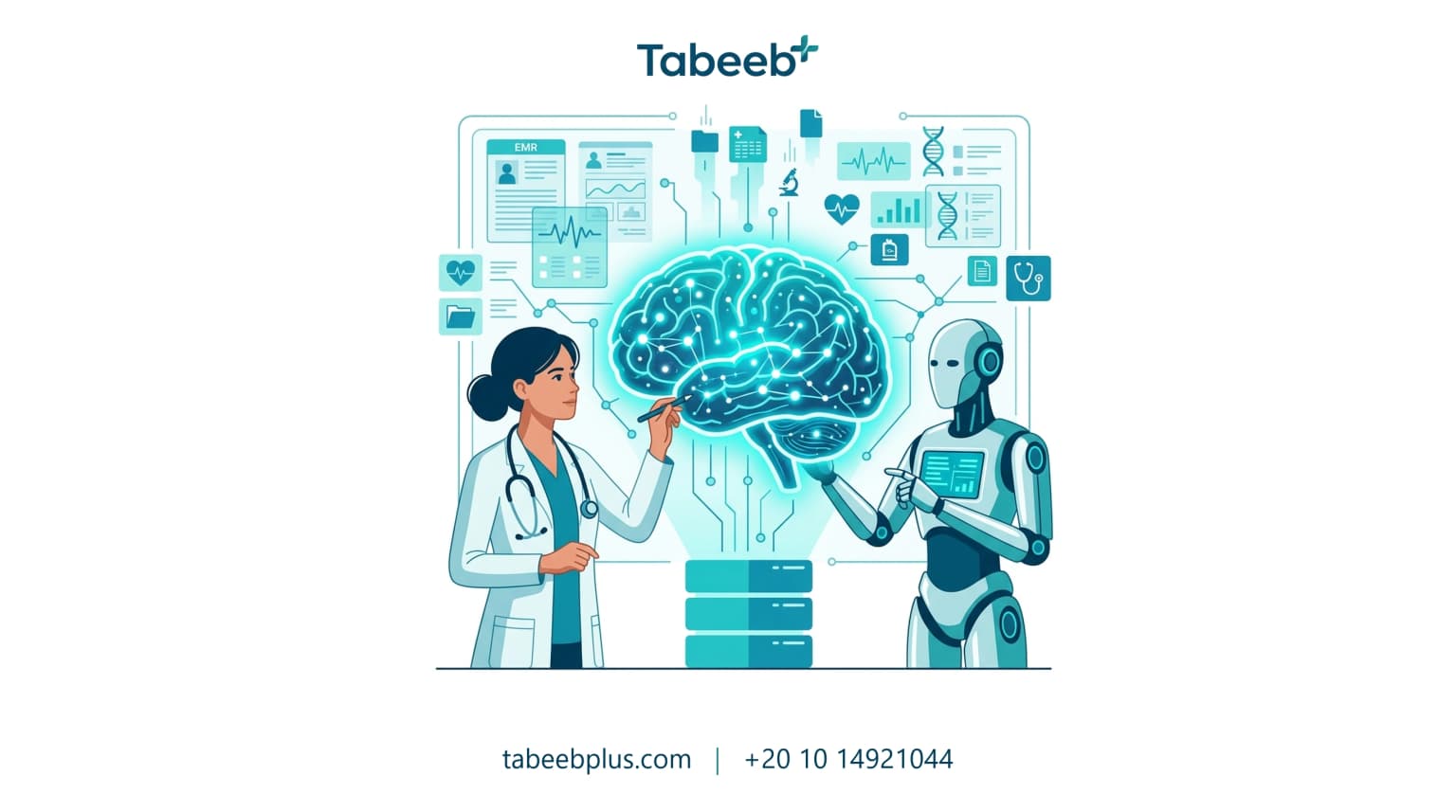
Introduction to Artificial Intelligence in the Medical Field
In modern healthcare, implementing medical technology is recognized as a cornerstone for delivering high-quality medical services while ensuring seamless operational workflows. Transitioning from paper-based operations to digital health technology is no longer optional but a strategic imperative to scale and succeed in today's highly competitive medical marketplace.
This comprehensive guide details the practical steps and strategic benefits of adopting medical technology within your medical practice, clinic, or hospital environment.
Table of Contents
1. The Strategic Importance of medical technology
At the center of clinical success is the overall patient journey. Incorporating a reliable medical technology strategy helps medical practitioners reduce administrative friction, dramatically decrease wait times, and guarantee that clinical records are accessible instantly from any connected device.
Industry data reveals that healthcare facilities deploying customized medical technology solutions experience a 40% boost in patient satisfaction, saving doctors an average of 15 hours per week on mundane documentation. These saved hours translate directly into more focused consultations, improved diagnostic accuracy, and better healthcare outcomes overall.
Additionally, integration of tools like AI in healthcare, healthcare automation, digital health solutions empowers medical administrators to optimize appointment books, resolve double-booking conflicts, and eliminate scheduling bottlenecks, ensuring that resources are fully utilized.
Industry data reveals that healthcare facilities deploying customized medical technology solutions experience a 40% boost in patient satisfaction, saving doctors an average of 15 hours per week on mundane documentation. These saved hours translate directly into more focused consultations, improved diagnostic accuracy, and better healthcare outcomes overall.
Additionally, integration of tools like AI in healthcare, healthcare automation, digital health solutions empowers medical administrators to optimize appointment books, resolve double-booking conflicts, and eliminate scheduling bottlenecks, ensuring that resources are fully utilized.
Industry data reveals that healthcare facilities deploying customized medical technology solutions experience a 40% boost in patient satisfaction, saving doctors an average of 15 hours per week on mundane documentation. These saved hours translate directly into more focused consultations, improved diagnostic accuracy, and better healthcare outcomes overall.
Additionally, integration of tools like AI in healthcare, healthcare automation, digital health solutions empowers medical administrators to optimize appointment books, resolve double-booking conflicts, and eliminate scheduling bottlenecks, ensuring that resources are fully utilized.
Industry data reveals that healthcare facilities deploying customized medical technology solutions experience a 40% boost in patient satisfaction, saving doctors an average of 15 hours per week on mundane documentation. These saved hours translate directly into more focused consultations, improved diagnostic accuracy, and better healthcare outcomes overall.
Additionally, integration of tools like AI in healthcare, healthcare automation, digital health solutions empowers medical administrators to optimize appointment books, resolve double-booking conflicts, and eliminate scheduling bottlenecks, ensuring that resources are fully utilized.
Industry data reveals that healthcare facilities deploying customized medical technology solutions experience a 40% boost in patient satisfaction, saving doctors an average of 15 hours per week on mundane documentation. These saved hours translate directly into more focused consultations, improved diagnostic accuracy, and better healthcare outcomes overall.
Additionally, integration of tools like AI in healthcare, healthcare automation, digital health solutions empowers medical administrators to optimize appointment books, resolve double-booking conflicts, and eliminate scheduling bottlenecks, ensuring that resources are fully utilized.
Industry data reveals that healthcare facilities deploying customized medical technology solutions experience a 40% boost in patient satisfaction, saving doctors an average of 15 hours per week on mundane documentation. These saved hours translate directly into more focused consultations, improved diagnostic accuracy, and better healthcare outcomes overall.
Additionally, integration of tools like AI in healthcare, healthcare automation, digital health solutions empowers medical administrators to optimize appointment books, resolve double-booking conflicts, and eliminate scheduling bottlenecks, ensuring that resources are fully utilized.
Industry data reveals that healthcare facilities deploying customized medical technology solutions experience a 40% boost in patient satisfaction, saving doctors an average of 15 hours per week on mundane documentation. These saved hours translate directly into more focused consultations, improved diagnostic accuracy, and better healthcare outcomes overall.
Additionally, integration of tools like AI in healthcare, healthcare automation, digital health solutions empowers medical administrators to optimize appointment books, resolve double-booking conflicts, and eliminate scheduling bottlenecks, ensuring that resources are fully utilized.
Industry data reveals that healthcare facilities deploying customized medical technology solutions experience a 40% boost in patient satisfaction, saving doctors an average of 15 hours per week on mundane documentation. These saved hours translate directly into more focused consultations, improved diagnostic accuracy, and better healthcare outcomes overall.
Additionally, integration of tools like AI in healthcare, healthcare automation, digital health solutions empowers medical administrators to optimize appointment books, resolve double-booking conflicts, and eliminate scheduling bottlenecks, ensuring that resources are fully utilized.
2. Core Components of Modern Healthcare Software
A complete digital system integrates EMR database structures, robust security layers, and intuitive patient check-in systems. Implementing medical technology coordinates these elements into a unified platform, preventing data isolation.
Modern systems offer user-specific interfaces: doctors access comprehensive EMR records, diagnostics, and issue e-prescriptions, while receptionists manage schedules, billing, and guide patients to exam rooms.
Furthermore, automation features like healthcare automation, digital health solutions, medical software systems automatically push out reminders via SMS and WhatsApp, keeping patients engaged and minimizing last-minute cancellations.
Modern systems offer user-specific interfaces: doctors access comprehensive EMR records, diagnostics, and issue e-prescriptions, while receptionists manage schedules, billing, and guide patients to exam rooms.
Furthermore, automation features like healthcare automation, digital health solutions, medical software systems automatically push out reminders via SMS and WhatsApp, keeping patients engaged and minimizing last-minute cancellations.
Modern systems offer user-specific interfaces: doctors access comprehensive EMR records, diagnostics, and issue e-prescriptions, while receptionists manage schedules, billing, and guide patients to exam rooms.
Furthermore, automation features like healthcare automation, digital health solutions, medical software systems automatically push out reminders via SMS and WhatsApp, keeping patients engaged and minimizing last-minute cancellations.
Modern systems offer user-specific interfaces: doctors access comprehensive EMR records, diagnostics, and issue e-prescriptions, while receptionists manage schedules, billing, and guide patients to exam rooms.
Furthermore, automation features like healthcare automation, digital health solutions, medical software systems automatically push out reminders via SMS and WhatsApp, keeping patients engaged and minimizing last-minute cancellations.
Modern systems offer user-specific interfaces: doctors access comprehensive EMR records, diagnostics, and issue e-prescriptions, while receptionists manage schedules, billing, and guide patients to exam rooms.
Furthermore, automation features like healthcare automation, digital health solutions, medical software systems automatically push out reminders via SMS and WhatsApp, keeping patients engaged and minimizing last-minute cancellations.
Modern systems offer user-specific interfaces: doctors access comprehensive EMR records, diagnostics, and issue e-prescriptions, while receptionists manage schedules, billing, and guide patients to exam rooms.
Furthermore, automation features like healthcare automation, digital health solutions, medical software systems automatically push out reminders via SMS and WhatsApp, keeping patients engaged and minimizing last-minute cancellations.
3. Step-by-Step Guide to Deploying medical technology
Deploying digital infrastructure requires a phased roadmap to ensure data integrity, legal compliance, and smooth staff adaptation.
- Infrastructure Audit: Confirm network stability, speed, and tablet/workstation hardware adequacy to run secure cloud systems.
- Software Selection: Partner with an integrated, user-friendly provider supporting bilingual English/Arabic interfaces and HIPAA-level security like TabeebPlus (طبيب+).
- Staff Onboarding: Schedule structured hands-on sessions for doctors, nurses, and administrative staff to build familiarity and confidence.
- Data Migration: Move patient files from paper logs or legacy software to the secure cloud with end-to-end data encryption.
- Live Testing: Launch in phases, collecting feedback from the medical team and patients to refine settings and workflows.
Involving clinic staff in early planning phases helps build alignment and clearly demonstrates the day-to-day benefits of automated, cloud-based practice management.
Involving clinic staff in early planning phases helps build alignment and clearly demonstrates the day-to-day benefits of automated, cloud-based practice management.
Involving clinic staff in early planning phases helps build alignment and clearly demonstrates the day-to-day benefits of automated, cloud-based practice management.
Involving clinic staff in early planning phases helps build alignment and clearly demonstrates the day-to-day benefits of automated, cloud-based practice management.
4. Comparison: Paper-based vs. Cloud Management
The comparison table below details the performance improvements clinics experience when replacing legacy paper practices with an integrated digital solution:
| Operational Metric | Traditional Paper Management | Cloud Management (TabeebPlus) |
|---|---|---|
| Registration & Intake Time | 15 - 20 minutes | Under 3 minutes |
| Billing & Invoicing Errors | Frequent (exceeding 10%) | Virtually non-existent (under 1%) |
| Data Security & Compliance | Vulnerable to loss, fire, and theft | Military-grade encryption (AES-256) |
| Financial Reporting | Requires manual compilation for days | Instantaneous, real-time dashboards |
| Patient Reminders | Manual, expensive, and time-consuming | Fully automated via SMS & WhatsApp |
5. Overcoming Digital Transformation Hurdles
While switching to cloud software introduces initial tasks like hardware configuration and policy adjustments, opting for an intuitive platform like TabeebPlus guarantees smooth operations with ongoing, round-the-clock technical support.
Investing in digital health platforms is not an expense but a strategic move that delivers strong ROI, through reduced manual labor, zero double-bookings, and optimized inventory.
Investing in digital health platforms is not an expense but a strategic move that delivers strong ROI, through reduced manual labor, zero double-bookings, and optimized inventory.
Investing in digital health platforms is not an expense but a strategic move that delivers strong ROI, through reduced manual labor, zero double-bookings, and optimized inventory.
Investing in digital health platforms is not an expense but a strategic move that delivers strong ROI, through reduced manual labor, zero double-bookings, and optimized inventory.
6. Frequently Asked Questions about Medical Technology
What are the top benefits of medical technology?
It increases overall clinic efficiency by over 50%, reduces patient wait times, and secures health files with encryption.
Is the platform compliant with regional and global regulations?
Yes, TabeebPlus is built to comply with HIPAA guidelines and local regulations from ministries of health in Saudi Arabia, Egypt, and the UAE.
How does TabeebPlus help decrease patient no-shows?
By automatically sending out reminders and confirmations via WhatsApp, keeping patients informed and allowing easy rescheduling.
Can we access the practice management system on multiple devices?
Yes, TabeebPlus operates in the cloud, letting you log in securely from laptops, tablets, or smartphones anytime.
How long does it take to train our reception staff?
Due to its clean, modern interface, clinic staff can get trained and begin managing files and bookings within 48 hours.
Can TabeebPlus handle multiple clinic locations?
Absolutely. TabeebPlus centralizes multi-branch operations, giving you unified insights into bookings, inventories, and revenues.
Summary & Conclusion
Integrating medical technology into daily clinic operations is a decisive step towards building a patient-centric, efficient medical practice. TabeebPlus provides the perfect set of tools to elevate operations, support staff, and keep your patients coming back.
Ready to automate your bookings, EMR, and billing? Experience TabeebPlus first-hand today.
Request Your Free TabeebPlus Demo Today


