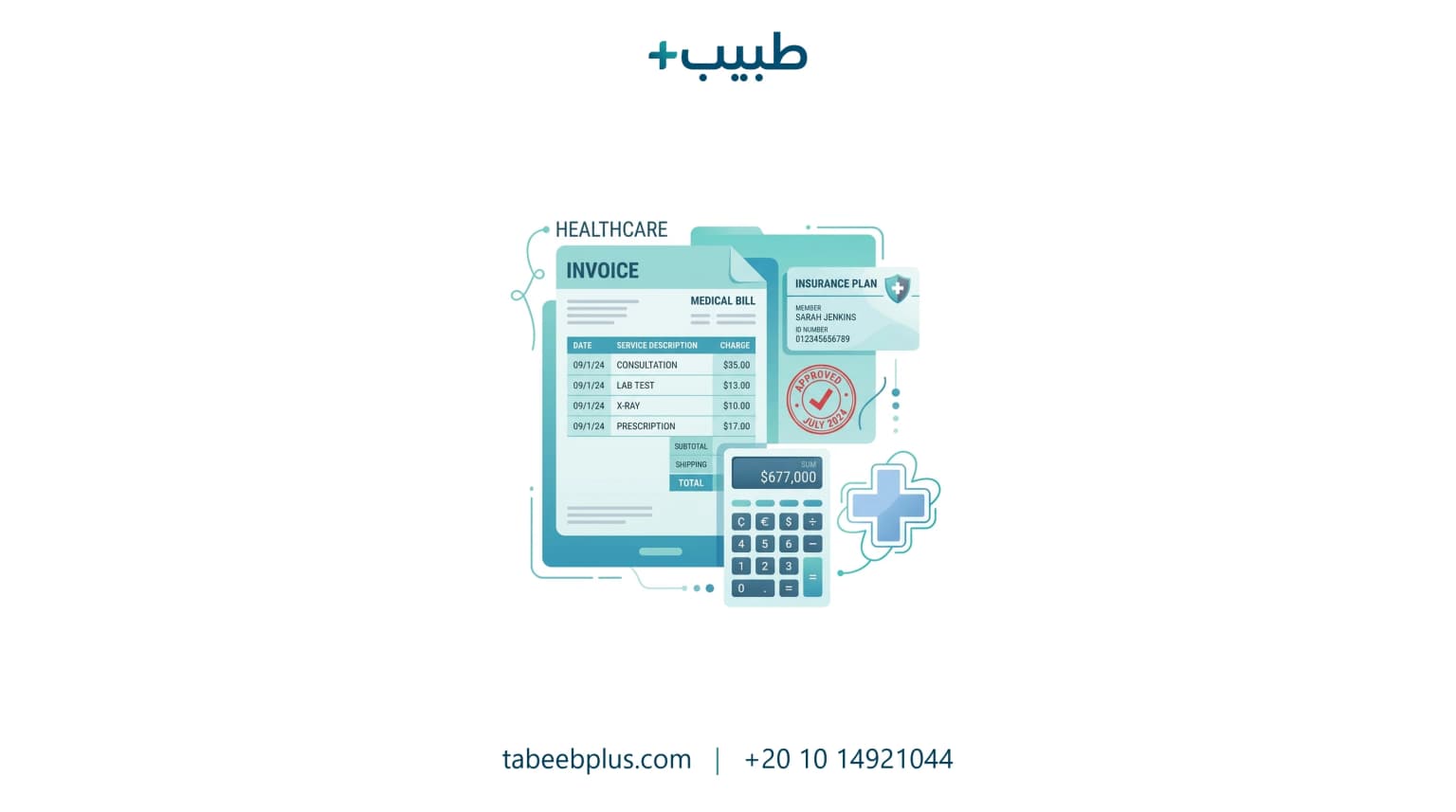
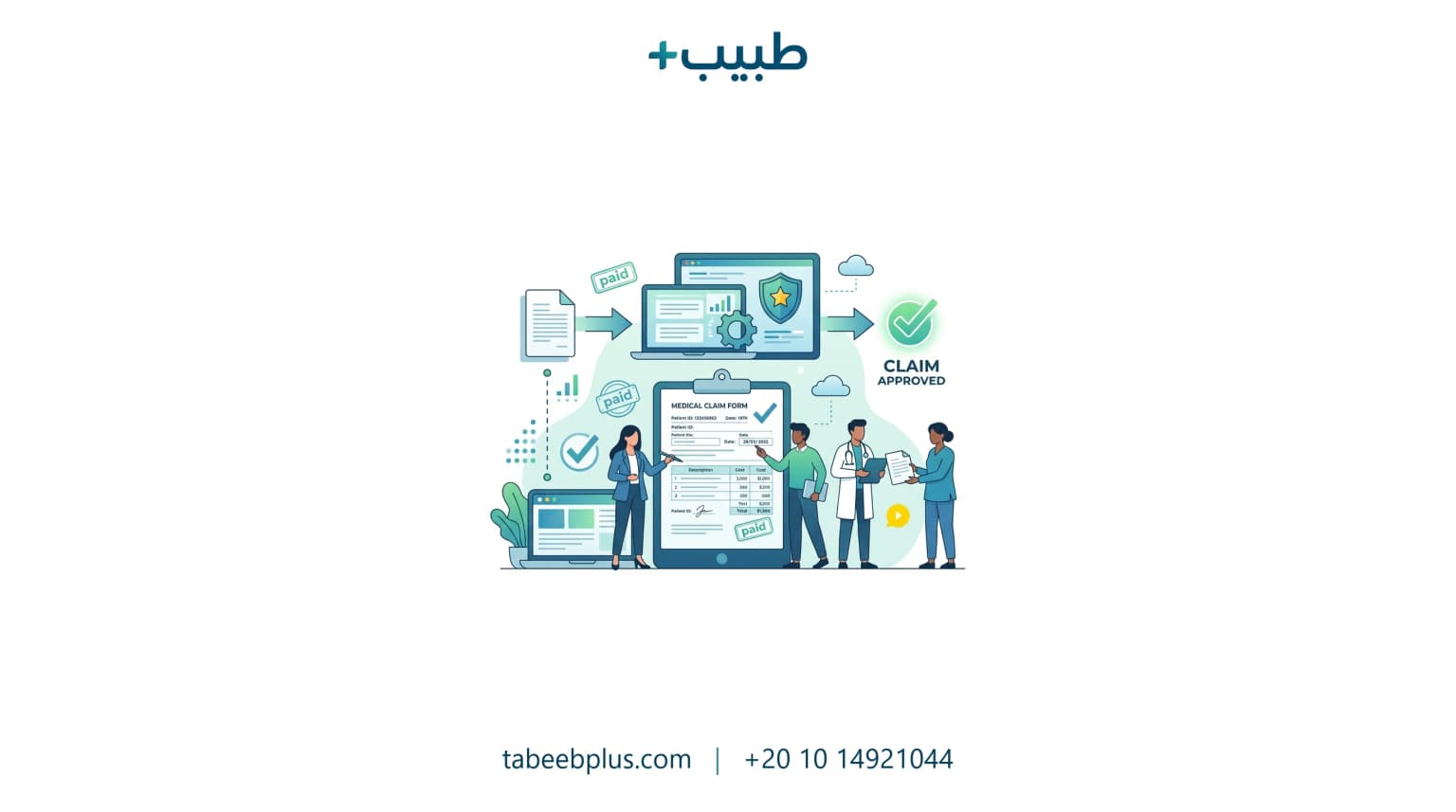
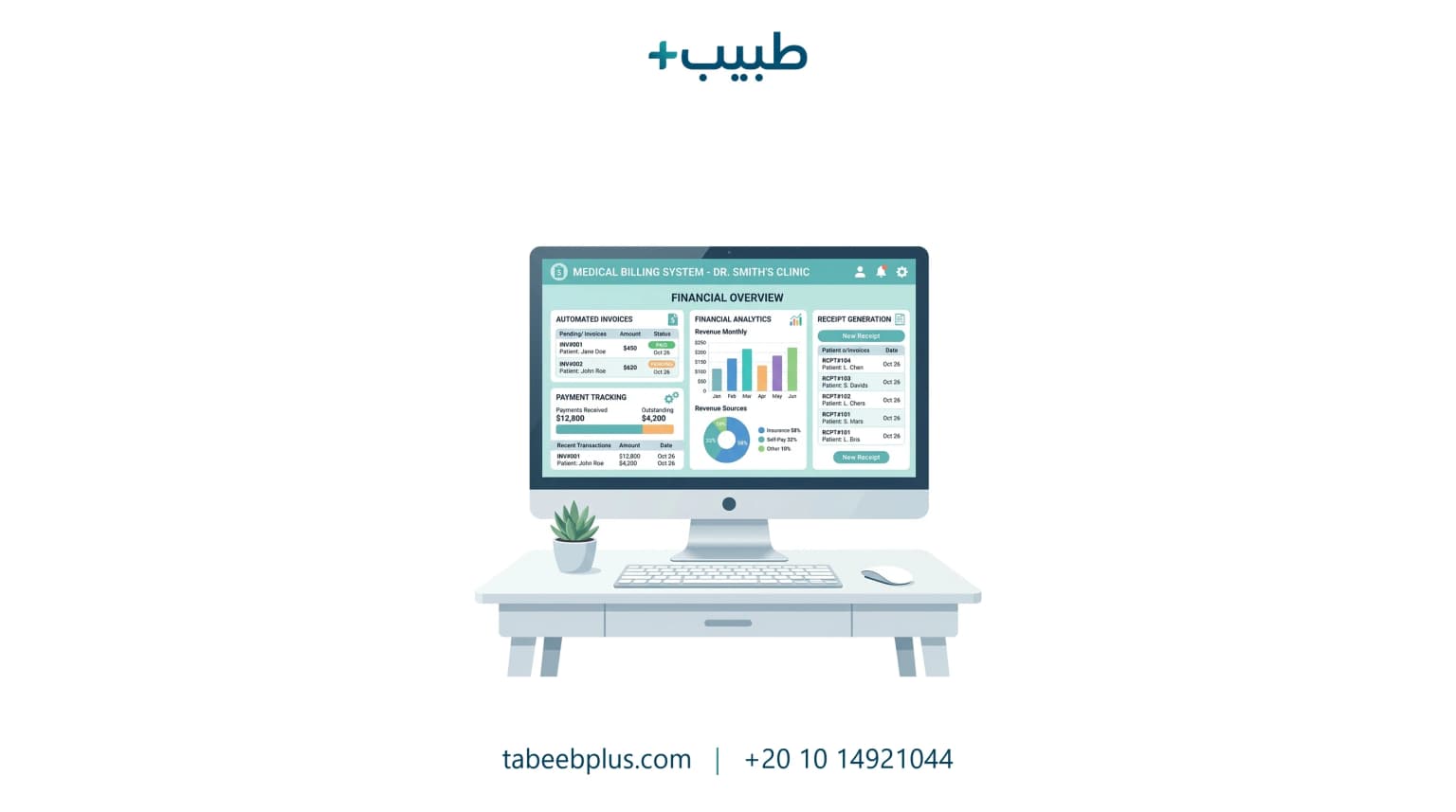
Navigating the complex landscape of tax regulations can be daunting for medical professionals, and recent digital transformations in Egypt have added new layers of complexity. For every medical practice, understanding and implementing the latest directives from the Egyptian Tax Authority (ETA) is not just a recommendation but a mandatory requirement. This comprehensive guide aims to demystify Egypt clinic e-invoicing compliance, outlining the essential tax rules and providing a clear roadmap for medical practices to ensure seamless integration and adherence to the electronic invoicing and e-receipt systems. Staying compliant is vital to avoid penalties and streamline your clinic's financial operations, securing its future in Egypt’s evolving digital economy.
Table of Contents
- Understanding Egypt's Digital Tax Transformation for Healthcare
- The E-Invoicing System: What Egyptian Doctors Need to Know
- The E-Receipt System: A New Era for Patient Transactions
- Practical Steps for Clinic Compliance and Seamless Integration
- Benefits of Early Adoption and Overcoming Common Challenges
- Frequently Asked Questions (FAQ)
Understanding Egypt's Digital Tax Transformation for Healthcare
Egypt has embarked on an ambitious journey to modernize its tax administration, a move spearheaded by the Egyptian Tax Authority (ETA) to enhance transparency, combat tax evasion, and streamline economic activities. This digital transformation directly impacts healthcare providers, including clinics, hospitals, and individual practitioners. The introduction of mandatory e-invoicing and e-receipt systems marks a significant shift from traditional paper-based methods to a fully digitized environment.
The Mandate Behind the Digital Shift
The primary driver behind these changes is the Egyptian government's strategic vision for digital transformation, aiming to integrate various sectors into a unified digital ecosystem. For the healthcare sector, this translates into a legal obligation to issue electronic invoices for B2B (Business-to-Business) transactions and electronic receipts for B2C (Business-to-Consumer) transactions. This mandate affects all entities registered with the ETA, including the vast network of medical clinics and individual practitioners across Egypt.
Why This Matters Specifically for Medical Practices
Medical practices, by their very nature, engage in thousands of transactions daily – from patient consultations and diagnostic tests to prescription dispensing and specialized treatments. Each of these transactions falls under the purview of either e-invoicing or e-receipt requirements. Non-compliance can lead to severe penalties, including hefty fines and potential suspension of tax registration, which could cripple a clinic's operations. Therefore, understanding the nuances of these regulations is paramount for all Egyptian tax authority doctors.
Legal Framework and Key Decrees
The foundation of Egypt's e-invoicing and e-receipt systems is built upon several presidential and ministerial decrees. Key among these are the directives issued by the Minister of Finance and the Head of the Egyptian Tax Authority, which detail the technical specifications, implementation timelines, and penalties for non-compliance. These decrees outline the phased rollout of the systems, initially targeting large corporations and gradually extending to smaller businesses and individual practitioners. Medical clinics were integrated into these phases, making it critical for them to stay abreast of the specific deadlines and requirements applicable to their operational scale and legal structure. These regulations aim to ensure comprehensive medical clinic tax compliance across the board.
The E-Invoicing System: What Egyptian Doctors Need to Know
The e-invoicing system is a cornerstone of Egypt's digital tax reform. It mandates that all registered taxpayers issue invoices electronically, which are then validated and stored by the ETA. For medical practices, this primarily applies to B2B transactions, such as invoicing insurance companies, corporate clients for employee health programs, or other medical facilities for referred services.
Definition and Scope for Clinics
An electronic invoice, in the Egyptian context, is a digitally signed document that contains specific data elements and is transmitted in a structured electronic format (typically XML or JSON) to the ETA's central system for validation. For clinics, this means any service provided to another business entity that requires a formal invoice must now be issued through the ETA's e-invoicing platform. This includes, but is not limited to, services billed to:
- Health insurance providers
- Corporate clients for occupational health services
- Other medical institutions for collaborative or referral services
- Suppliers for medical equipment or pharmaceuticals (as a recipient of e-invoices)
The scope is broad, ensuring that all business-related financial exchanges are transparent and trackable by the tax authority.
Mandatory Registration Process: Steps and Required Documents
The first critical step for any clinic is to complete the electronic invoice registration Egypt process. This involves several key stages:
- Digital Signature Acquisition: Clinics must obtain a valid digital signature certificate from an accredited service provider in Egypt. This signature authenticates the origin and integrity of the electronic invoices.
- ETA Portal Registration: Access the Egyptian Tax Authority's e-invoicing portal and register the clinic's tax profile. This typically requires the tax registration number, company details, and contact information.
- Obtaining an API Key and Client ID: For clinics planning to integrate their practice management system directly, the ETA portal will provide an API key and client ID, which are essential for secure communication between the clinic's system and the ETA platform.
- System Integration and Testing: Once registered, clinics need to integrate their billing system with the ETA's e-invoicing platform. This usually involves technical setup and testing to ensure invoices are generated, signed, and transmitted correctly according to ETA specifications.
- Issuing First E-Invoice: After successful testing, clinics can begin issuing official electronic invoices through the system.
Required documents generally include the clinic's tax card, commercial register (if applicable), national ID of the authorized signatory, and proof of digital signature acquisition.
Integration Methods: Direct API, ERP, Portal
Clinics have several options for integrating with the e-invoicing system:
- Direct API Integration: This is the most common and efficient method for clinics with a robust billing and practice management system (PMS) like Tabeeb Plus. It involves developing an interface that allows the PMS to automatically generate, sign, and transmit e-invoices to the ETA system. This method offers real-time processing and minimal manual intervention.
- ERP System Integration: Larger clinics or hospital groups that utilize Enterprise Resource Planning (ERP) systems can integrate their existing ERP with the ETA platform. This is similar to direct API integration but on a larger scale.
- ETA Portal: For smaller clinics with a low volume of B2B transactions, the ETA provides a web-based portal where invoices can be manually entered and issued. While simpler, this method is less efficient for clinics with frequent invoicing needs.
Technical Requirements and Digital Signature
Beyond registration, clinics must ensure they meet specific technical requirements. This includes having a stable internet connection, appropriate software (or a cloud-based solution like Tabeeb Plus), and the aforementioned digital signature. The digital signature is a cryptographic key that verifies the authenticity of the issuer and the integrity of the invoice content. It's a legal equivalent to a handwritten signature and seal, ensuring non-repudiation of the electronic document. Compliance with these Egyptian doctor tax regulations is crucial for operational continuity.
The E-Receipt System: A New Era for Patient Transactions
While e-invoicing primarily covers B2B transactions, the e-receipt system is designed for B2C (Business-to-Consumer) transactions. For medical clinics, this means almost every direct patient payment for medical services will require an electronic receipt.
Distinction Between E-Invoicing and E-Receipts
It's vital for clinics to understand the fundamental difference:
- E-Invoicing: For transactions where the recipient is another registered taxpayer (B2B), typically requiring a full tax invoice with detailed buyer information.
- E-Receipts: For transactions where the recipient is an end-consumer (B2C), typically a patient. These receipts are simpler but still carry legal weight and must be transmitted to the ETA.
When E-Receipts Are Mandatory for Medical Services
The mandate for e-receipts applies to virtually all services provided directly to patients where payment is received. This includes, but is not limited to:
- Consultation fees
- Procedure charges
- Diagnostic test fees (e.g., lab work, imaging)
- Therapy sessions
- Minor surgical fees
- Any other direct medical service where the patient is the end-payer.
The ETA has been rolling out the e-receipt system in phases, with specific deadlines for different sectors and business sizes. Clinics must ascertain their specific deadline and ensure they are fully prepared to comply by that date.
Process of Issuing E-Receipts
The process for issuing e-receipts is similar in principle to e-invoicing but typically involves a more streamlined data capture for consumer transactions:
- Transaction Completion: A patient completes a medical service and makes a payment.
- Receipt Generation: The clinic's practice management system (PMS) generates an electronic receipt containing essential details such as the clinic's tax ID, service description, amount, and date.
- Digital Signature (Optional for Receipts, but good practice): While not always strictly mandatory for e-receipts as it is for e-invoices, adding a digital signature enhances the security and authenticity of the receipt.
- Transmission to ETA: The e-receipt is transmitted to the ETA's e-receipt system for validation and recording. This usually happens in near real-time or in batches, depending on the integration method.
- Patient Confirmation: The patient may receive a copy of the e-receipt, often via email, SMS, or a printed QR code linking to the validated receipt.
Impact on Patient Billing and Record-Keeping
The e-receipt system significantly impacts how clinics handle patient billing and maintain records. It necessitates a robust billing system that can seamlessly generate and transmit these receipts. Manual record-keeping for patient transactions will become obsolete and non-compliant. Clinics will need to ensure their systems can accurately categorize services, calculate taxes (if applicable), and maintain a clear audit trail of all patient payments. This digital shift ultimately benefits both the clinic through improved efficiency and the patient through transparent and verifiable transaction records.
Practical Steps for Clinic Compliance and Seamless Integration
Achieving compliance with Egypt's e-invoicing and e-receipt mandates requires a structured approach. Clinics must move beyond understanding the regulations to actively implementing the necessary changes in their operational workflows.
Step-by-Step Guide for Clinics to Achieve Compliance
- Assess Your Current Systems: Evaluate your existing billing, patient management, and accounting software. Determine if they are capable of integration or if an upgrade/replacement is needed.
- Appoint a Compliance Officer: Designate a staff member responsible for overseeing the compliance process, including registration, integration, and ongoing adherence.
- Acquire Digital Signature: As discussed, this is a prerequisite for B2B e-invoicing and highly recommended for e-receipts.
- Register with ETA: Complete the online registration for both e-invoicing and e-receipt systems on the ETA portal. Obtain necessary API credentials.
- Choose an Integration Solution: Decide whether to use a direct API integration, an existing ERP, or the ETA's portal. For most clinics, a specialized practice management system offers the best balance of efficiency and ease of use.
- Integrate and Test: Work with your chosen software provider (like Tabeeb Plus) to integrate your system with the ETA. Conduct thorough testing to ensure all transaction types are correctly processed and transmitted.
- Train Your Staff: Educate all relevant staff members (receptionists, administrators, billing personnel) on the new procedures for issuing e-invoices and e-receipts.
- Maintain Records: Even with digital transmission, clinics must maintain their internal records of all issued e-invoices and e-receipts for audit purposes.
The Role of Practice Management Systems (PMS)
A modern, cloud-based practice management system is not just an advantage; it's almost a necessity for seamless compliance. A robust PMS can:
- Automate Invoice/Receipt Generation: Automatically create e-invoices and e-receipts based on services rendered and payments received.
- Facilitate Digital Signing: Integrate with digital signature providers to automatically sign documents.
- Enable Direct ETA Transmission: Utilize API integration to transmit documents directly to the ETA system without manual intervention.
- Ensure Data Accuracy: Reduce human error in data entry, ensuring compliance with ETA's data format requirements.
- Maintain Audit Trails: Keep a comprehensive, secure record of all transactions for easy retrieval during audits.
- Streamline Appointments and Patient Flow: By integrating billing with patient scheduling and EMR, a PMS ensures that every service is accounted for and correctly billed.
Choosing the Right Software Solution: Tabeeb Plus
Selecting the appropriate software is perhaps the most critical decision. Clinics need a solution that is not only compliant with ETA regulations but also enhances overall practice efficiency. Tabeeb Plus stands out as an ideal cloud-based practice management system, specifically designed for the needs of Egyptian medical practices. It offers:
- ETA Compliance Modules: Built-in features for e-invoicing and e-receipt generation and transmission, specifically tailored to Egyptian regulations.
- Comprehensive Practice Management: Beyond billing, Tabeeb Plus offers robust features for appointments scheduling, EMR, patient communication (including WhatsApp integrations), and reporting, centralizing all clinic operations.
- Ease of Use: An intuitive interface that minimizes the learning curve for staff, ensuring smooth adoption.
- Scalability: Suitable for single-doctor clinics to multi-specialty medical centers.
- Security: Cloud-based architecture ensures data security, backups, and accessibility from anywhere.
Data Security and Privacy Considerations
While digitizing operations offers many benefits, it also brings heightened responsibilities regarding data security and patient privacy. Clinics must ensure that their chosen software and internal processes comply with relevant data protection laws, safeguarding sensitive patient information. This includes:
- Encryption: Ensuring all data, especially during transmission to the ETA, is encrypted.
- Access Controls: Implementing strict user access controls within the PMS to prevent unauthorized data access.
- Regular Backups: Ensuring data is regularly backed up to prevent loss.
- Compliance with International Standards: While Egypt has its own regulations, adhering to global best practices for data security can offer an added layer of protection.
Comparison: Manual vs. Automated Compliance
To highlight the advantages of a modern PMS, consider the stark contrast between manual and automated compliance processes:
| Feature/Aspect | Manual Compliance Process | Automated Compliance Process (with PMS like Tabeeb Plus) |
|---|---|---|
| Invoice/Receipt Generation | Time-consuming manual data entry, prone to human error. | Automated generation from patient data and service codes, high accuracy. |
| Digital Signature | Requires manual application or separate software, adds steps. | Integrated directly into the generation process, automatic application. |
| Transmission to ETA | Manual upload via ETA portal, potential for delays and forgotten submissions. | Real-time or batch API transmission, secure and efficient. |
| Error Handling | Difficult to identify and correct errors, potential for non-compliance. | System validates data before submission, flags errors proactively. |
| Record Keeping | Physical archives, scattered digital files, difficult retrieval for audits. | Centralized digital archive, easy search and retrieval, comprehensive audit trail. |
| Staff Training | Extensive training needed for manual processes and portal usage. | Intuitive system reduces training time, focuses on workflow. |
| Penalties Risk | Higher risk due to errors, omissions, and missed deadlines. | Significantly lower risk due to automated compliance and validation. |
| Operational Efficiency | Low, diverts staff time from patient care. | High, streamlines administrative tasks, improves overall clinic flow. |
Benefits of Early Adoption and Overcoming Common Challenges
Embracing the e-invoicing and e-receipt systems early offers numerous strategic advantages for medical practices in Egypt, far beyond mere compliance.
Advantages of Proactive Compliance
- Streamlined Operations: Automation significantly reduces the time and effort spent on administrative tasks related to billing and invoicing, allowing staff to focus more on patient care.
- Reduced Errors: Digital systems minimize human error in data entry, calculation, and transmission, ensuring accuracy in tax reporting.
- Improved Transparency: A clear, digital audit trail enhances transparency in financial operations, beneficial for internal management and external audits.
- Avoidance of Penalties: Proactive compliance prevents the imposition of hefty fines and sanctions from the ETA, safeguarding the clinic's financial health and reputation.
- Faster Tax Refunds/Reconciliation: Accurate and timely submission of electronic documents can expedite processes like VAT refunds and simplify annual tax reconciliation.
- Enhanced Credibility: Operating with full transparency and compliance builds trust with patients, insurance providers, and regulatory bodies.
- Future-Proofing Your Practice: Aligning with digital government initiatives positions your clinic for future technological advancements and regulatory shifts.
Common Challenges and How Tabeeb Plus Addresses Them
While the benefits are clear, clinics may encounter challenges during the transition:
- Initial Setup Complexity: Registering with the ETA, acquiring digital signatures, and understanding technical specifications can be daunting.
- Tabeeb Plus Solution: Offers guided setup and dedicated support to navigate the registration and integration processes, simplifying technical complexities.
- Technical Expertise: Many clinics lack in-house IT expertise for system integration.
- Tabeeb Plus Solution: As a cloud-based platform, it requires minimal IT infrastructure from the clinic. The Tabeeb Plus team handles the technical integration with ETA, providing a ready-to-use compliant system.
- Staff Training: Adapting to new workflows and software can be a hurdle for staff.
- Tabeeb Plus Solution: Features an intuitive, user-friendly interface that reduces the learning curve. Comprehensive training resources and ongoing support ensure staff quickly become proficient.
- Cost of Implementation: Concerns about the financial investment in new software or upgrades.
- Tabeeb Plus Solution: Offers flexible subscription models, making advanced compliance accessible to clinics of all sizes, often proving more cost-effective than managing manual processes or fragmented systems.
- Data Security Concerns: Worries about patient data privacy in a digital system.
- Tabeeb Plus Solution: Prioritizes robust data encryption, secure cloud infrastructure, and adherence to best practices for data protection, ensuring patient confidentiality and data integrity.
Frequently Asked Questions (FAQ)
What is Egypt clinic e-invoicing compliance?
Egypt clinic e-invoicing compliance refers to the mandatory adherence of medical practices in Egypt to the electronic invoicing and e-receipt systems introduced by the Egyptian Tax Authority (ETA). This requires clinics to issue digitally signed electronic invoices for B2B transactions and electronic receipts for B2C patient transactions, transmitting them to the ETA for validation and record-keeping.
Are all Egyptian tax authority doctors required to use the e-invoicing and e-receipt systems?
Yes, eventually all registered taxpayers, including individual doctors and medical clinics, are mandated to comply. The rollout has been phased, but the ultimate goal is universal adoption across all sectors, including healthcare. It's crucial for Egyptian tax authority doctors to check the latest ETA announcements for their specific deadlines.
What is the first step for electronic invoice registration Egypt?
The very first step for electronic invoice registration Egypt is to obtain a valid digital signature certificate from an accredited provider. This digital signature is essential for authenticating your electronic documents before they are submitted to the ETA system.
What are the potential penalties for non-compliance with medical clinic tax compliance rules?
Non-compliance can lead to significant financial penalties, including fines for each non-compliant invoice or receipt. In severe cases or for repeated violations, the ETA can impose sanctions such as suspension of tax registration, which would severely impact a clinic's ability to operate legally. Ensuring proper medical clinic tax compliance is therefore critical.
How does the e-receipt system clinics Egypt differ from e-invoicing?
The e-receipt system clinics Egypt is specifically for Business-to-Consumer (B2C) transactions, meaning direct services to patients. E-invoicing, on the other hand, is for Business-to-Business (B2B) transactions, such as billing insurance companies or other corporate entities. While both are electronic and transmitted to the ETA, e-receipts typically require less detailed recipient information.
Can my existing practice management system handle these new Egyptian doctor tax regulations?
It depends on your current system. Older or generic systems may not have the specific integrations required for direct communication with the ETA's e-invoicing and e-receipt platforms. Modern, specialized practice management systems like Tabeeb Plus are designed with these Egyptian doctor tax regulations in mind, offering built-in compliance features and seamless integration capabilities.
Is a digital signature required for every e-receipt?
While a digital signature is strictly mandatory for e-invoices (B2B), its requirement for every e-receipt (B2C) can vary based on the specific ETA decrees and the integration method chosen. However, using a digital signature for e-receipts is generally recommended as it enhances the security and legal validity of the document, providing an extra layer of authenticity and non-repudiation.
How can Tabeeb Plus help my clinic achieve compliance?
Tabeeb Plus is a cloud-based practice management system specifically tailored for the Egyptian market. It offers integrated modules for e-invoicing and e-receipt compliance, automating the generation, digital signing, and transmission of documents to the ETA. It also provides comprehensive features for appointments, EMR, billing, and patient communication, streamlining your entire clinic operation while ensuring full regulatory adherence.
Navigating the evolving landscape of Egyptian tax regulations, particularly with the advent of e-invoicing and e-receipt systems, is a critical challenge for every medical practice. Proactive compliance is not merely about avoiding penalties; it's about embracing efficiency, transparency, and the future of healthcare administration in Egypt. By understanding the intricacies of these new rules and leveraging the right technological solutions, clinics can transform a regulatory burden into an operational advantage.
Tabeeb Plus offers a comprehensive, cloud-based solution designed to empower your medical practice with seamless compliance and unparalleled operational efficiency. From managing appointments and EMR to automating billing and ensuring adherence to ETA regulations, Tabeeb Plus streamlines every aspect of your clinic. Don't let tax compliance overwhelm your practice; instead, let it be an opportunity for growth and modernization. Discover how Tabeeb Plus can be your partner in achieving effortless compliance and optimizing your clinic's performance.
Ready to ensure your clinic is fully compliant and operating at its peak potential? Take the first step towards a more efficient and compliant practice today.