The landscape of healthcare is evolving rapidly, demanding more efficient, secure, and patient-centric approaches to practice administration. For any modern healthcare provider, effective medical clinic management is no longer just about patient care; it encompasses a complex web of appointments, electronic records, billing, and communication. Traditional, on-premise systems often struggle to keep pace with these demands, leading to operational bottlenecks and reduced productivity. This is where cloud clinic management software emerges as a transformative solution, offering a suite of features designed to revolutionize how clinics operate, enhance patient satisfaction, and significantly improve overall efficiency.
Cloud-based solutions leverage the power of the internet to host data and applications, making them accessible from anywhere, at any time. This fundamental shift from local servers to secure cloud environments brings unparalleled flexibility, scalability, and robust security protocols. By understanding the core features of such software, clinics can unlock their full potential, streamline complex processes, and dedicate more time to what truly matters: delivering exceptional patient care.
Table of Contents
- Streamlined Appointment Scheduling and Patient Management
- Robust Electronic Medical Records (EMR) Integration
- Optimized Billing and Financial Management
- Enhanced Communication and Collaboration Tools
- Scalability, Security, and Accessibility of Cloud Computing
- Advanced Reporting and Analytics for Data-Driven Decisions
- Frequently Asked Questions (FAQs)
- Conclusion: The Future of Clinic Management is Cloud-Based
Streamlined Appointment Scheduling and Patient Management
One of the most immediate and impactful benefits of cloud clinic management software is its ability to overhaul the entire appointment scheduling and patient management process. Outdated manual systems or cumbersome desktop applications are prone to errors, double bookings, and significant administrative overhead. Cloud-based solutions offer an intuitive, integrated approach that addresses these challenges directly, contributing significantly to improved clinic workflow and a better patient experience.
Online Appointment Booking and Patient Portals
Modern patients expect convenience, and the ability to book appointments online is a cornerstone of this expectation. Cloud software provides secure patient portals where individuals can schedule, reschedule, or cancel appointments independently, reducing the burden on front-desk staff. These portals also serve as a hub for patients to access their medical information, view lab results, and communicate securely with their providers. This self-service capability not only empowers patients but also helps to significantly reduce patient wait times both on the phone and in the waiting room.
Automated Reminders and Notifications
Missed appointments are a significant drain on clinic resources. Cloud-based appointment scheduling software automates the sending of reminders via SMS, email, or even WhatsApp, drastically reducing no-show rates. These reminders can be customized to include essential information like appointment time, date, location, and even pre-appointment instructions, ensuring patients arrive prepared. This automation frees up administrative staff to focus on more complex tasks, directly boosting clinic operational efficiency.
Centralized Calendar Management
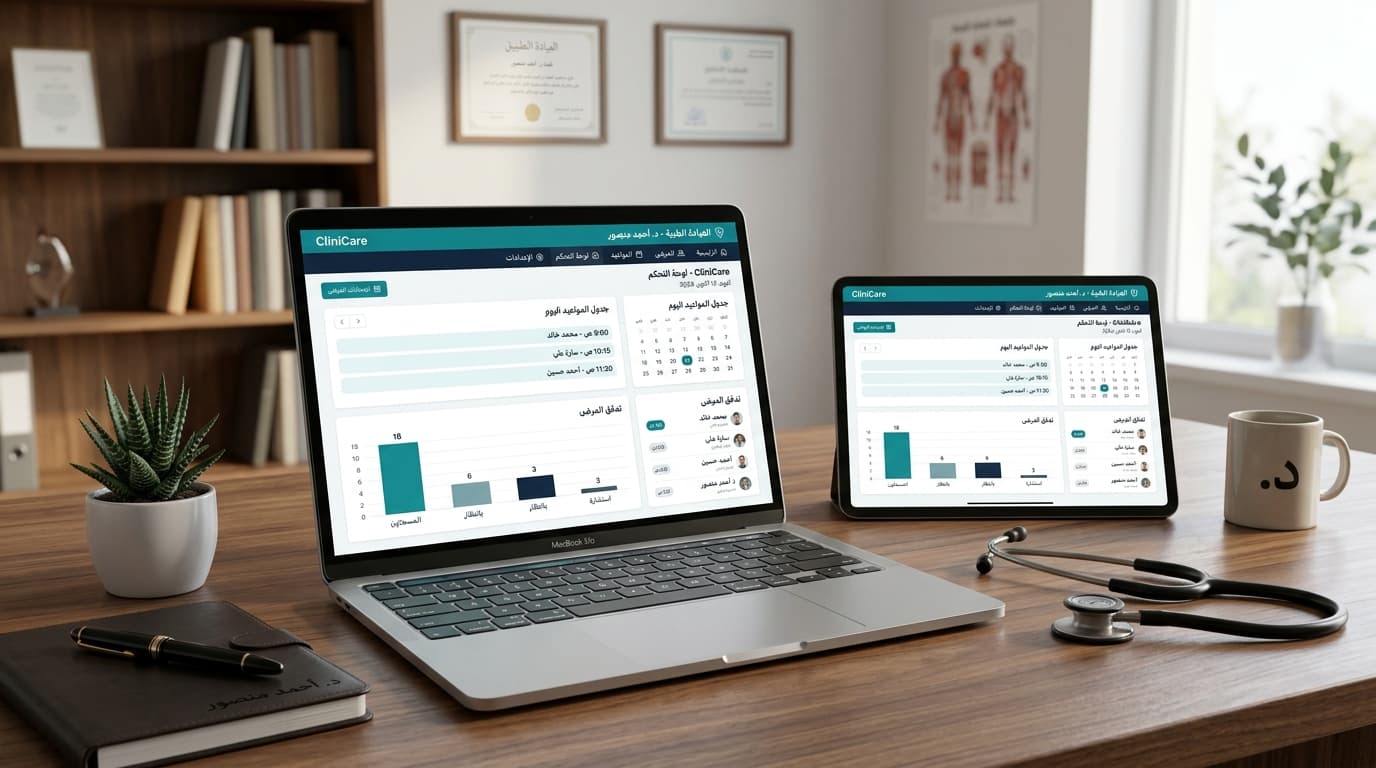
A unified, real-time calendar view is essential for effective resource allocation. Cloud clinic management software offers a centralized calendar that allows staff to view schedules across multiple providers, rooms, and even branches. This prevents conflicts, optimizes resource utilization, and facilitates quick adjustments to schedules. For clinics with multiple practitioners or specialized equipment, this feature is invaluable in orchestrating a smooth and efficient daily operation.
Robust Electronic Medical Records (EMR) Integration
At the heart of modern healthcare lies accurate, accessible patient data. Cloud clinic management software seamlessly integrates with Electronic Medical Records (EMR) systems, transforming how patient information is managed and utilized. This integration moves clinics beyond paper charts, offering a secure, digital repository for all patient health information.
Comprehensive Digital Patient Files
With a cloud-based EMR system, every piece of patient information—from demographics and medical history to diagnoses, medications, allergies, immunization status, and treatment plans—is digitized and stored securely. This ensures that a complete and up-to-date patient record is available to authorized personnel at the point of care, eliminating the need to search for physical files and reducing the risk of missing or misplaced information. This comprehensive view supports more informed clinical decisions.
Secure Access and Data Consistency
One of the primary advantages of cloud EMR is secure, authenticated access from any internet-enabled device. This means doctors can review patient histories from a consultation room, a satellite clinic, or even during an on-call emergency. Data consistency is maintained across all access points, ensuring that every team member is working with the most current information. Robust encryption and access controls protect sensitive patient data, adhering to strict privacy regulations like HIPAA in the US or similar guidelines internationally. For more information on data privacy in healthcare, refer to official guidelines such as those provided by the U.S. Department of Health & Human Services on HIPAA Security Rule.
E-Prescribing and Lab Integration
Cloud EMR systems often include e-prescribing capabilities, allowing clinicians to send prescriptions directly to pharmacies, reducing errors associated with handwritten scripts and improving patient safety. Furthermore, integration with diagnostic laboratories enables automatic reception of lab results directly into the patient's digital file. This streamlines the diagnostic process, facilitates quicker follow-ups, and improves overall clinic operational efficiency.
Optimized Billing and Financial Management
Managing the financial health of a clinic can be as complex as managing patient health. Cloud clinic management software simplifies intricate billing processes, insurance claims, and payment collections, ensuring financial stability and transparency.
Automated Insurance Claims Processing
Manual insurance claim submission is time-consuming and prone to errors that can lead to rejected claims and delayed payments. Cloud-based systems automate much of this process, from verifying patient eligibility to generating and submitting claims electronically. This not only accelerates the reimbursement cycle but also reduces the administrative workload associated with claim management, significantly improving clinic operational efficiency.
Efficient Payment Processing and Tracking
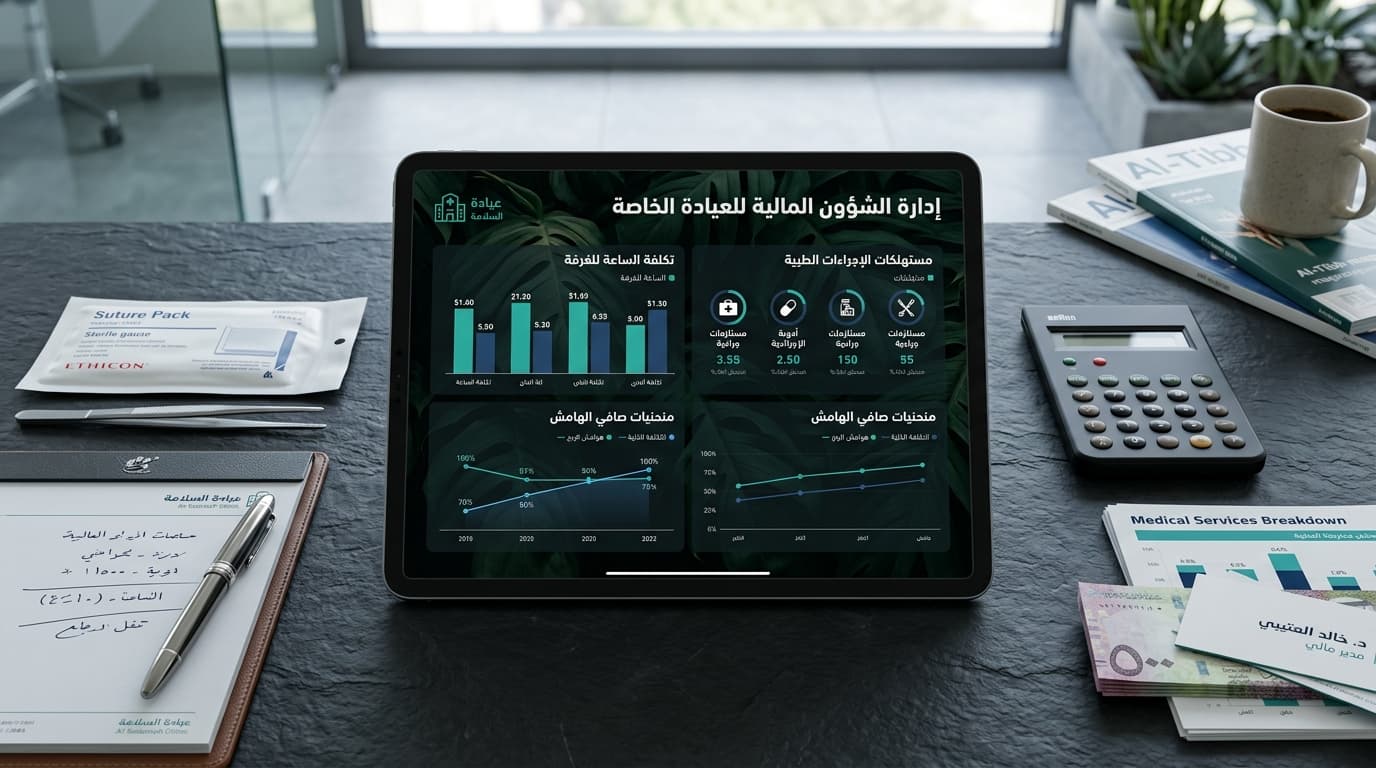
These systems offer integrated payment processing solutions, allowing clinics to accept various payment methods securely, including credit cards and online payments. They provide clear tracking of all transactions, outstanding balances, and payment plans. Detailed financial reports can be generated at the click of a button, offering insights into revenue streams, expenses, and overall financial performance. This transparency is crucial for strategic planning and maintaining a healthy bottom line.
For a seamless experience in managing your clinic's finances, explore the robust billing features offered by Tabeeb Plus.
Enhanced Communication and Collaboration Tools
Effective communication is the lifeblood of any successful healthcare practice. Cloud clinic management software integrates various communication tools, fostering better collaboration among staff and improving patient engagement.
Internal Staff Collaboration
Within a busy clinic, quick and secure internal communication is vital. Cloud platforms often include secure messaging systems, task management features, and shared notes, allowing team members to communicate effectively about patient cases, administrative tasks, and operational updates without relying on less secure methods. This enhances teamwork and ensures everyone is on the same page, leading to a more cohesive and efficient environment.
Patient Communication and Engagement
Beyond appointment reminders, cloud software facilitates robust patient communication. Through integrated messaging platforms, clinics can send out broadcast messages for health campaigns, share educational materials, or communicate directly with patients regarding their care. Many systems, like Tabeeb Plus, offer advanced WhatsApp integrations, enabling clinics to connect with patients on a platform they already use daily, improving engagement and accessibility. This proactive communication can significantly enhance patient satisfaction and adherence to treatment plans.
Scalability, Security, and Accessibility of Cloud Computing
The inherent architecture of Cloud Computing brings a host of benefits critical for modern healthcare practices, particularly concerning growth, data protection, and operational flexibility.
Unparalleled Accessibility and Flexibility
One of the most defining characteristics of cloud software is its accessibility. Clinic staff and authorized practitioners can access the system securely from any location with an internet connection, using any device – be it a desktop, laptop, tablet, or smartphone. This flexibility is invaluable for remote consultations, off-site events, or simply for managers working from home. It also ensures business continuity in unforeseen circumstances, as operations are not tied to a physical server within the clinic premises.
Robust Data Security and Compliance
Data security is paramount in healthcare. Cloud providers invest heavily in cutting-edge security measures, often surpassing what individual clinics can afford or manage on-premise. These measures include advanced encryption, multi-factor authentication, regular security audits, and intrusion detection systems. Furthermore, reputable cloud clinic management software providers ensure compliance with industry-specific regulations such as HIPAA, GDPR, and other local data protection laws, giving clinics peace of mind that patient data is protected against breaches and unauthorized access. Regular backups are also managed by the cloud provider, safeguarding against data loss.
Scalability for Growing Practices and Multi-Branch Operations
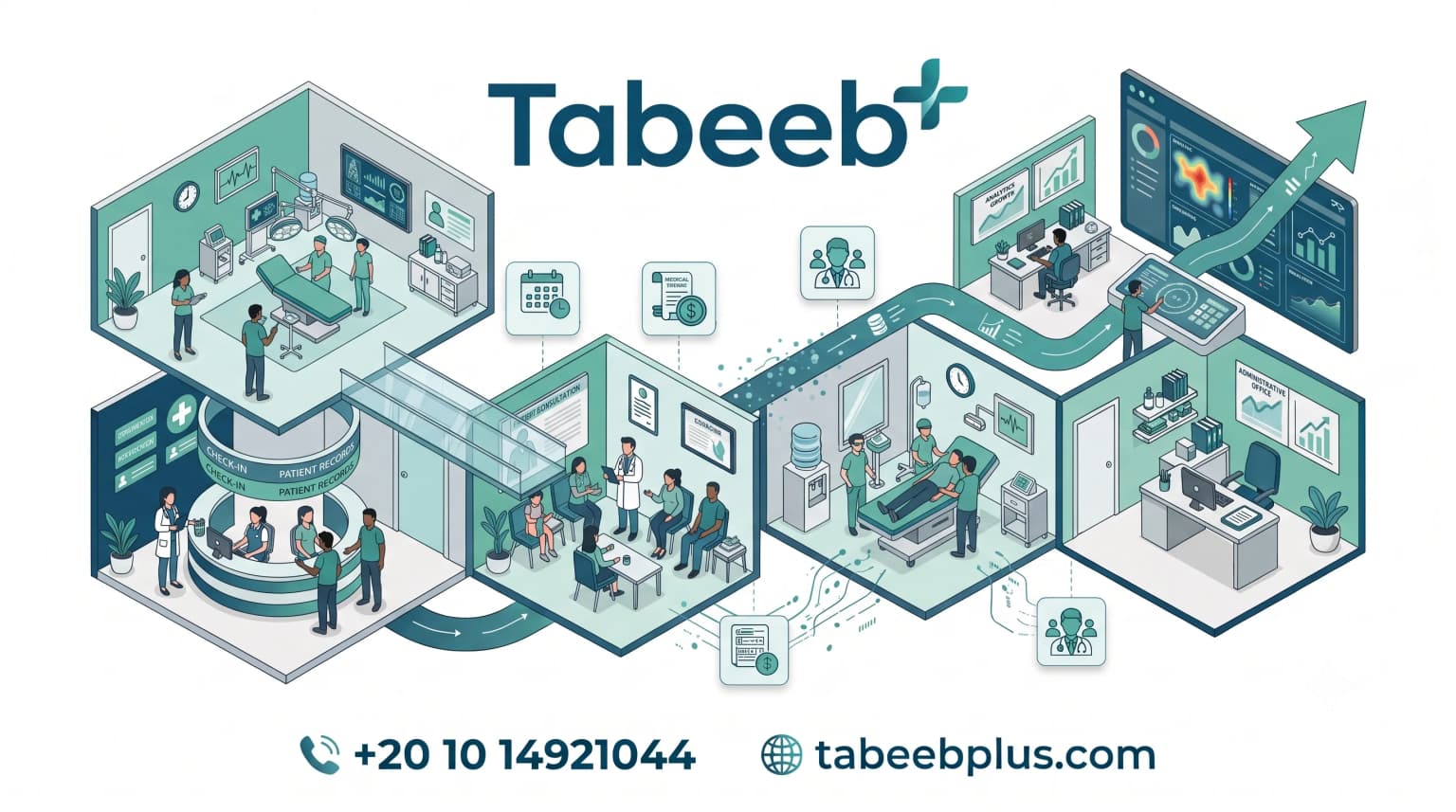
As a clinic grows, so do its demands on IT infrastructure. Cloud solutions are inherently scalable, meaning they can easily accommodate an increasing number of users, patients, and data without requiring significant hardware upgrades or IT intervention. This is particularly beneficial for clinics planning expansion or those already operating as Multi-Branch entities. A single cloud platform can manage all locations, providing a unified view of operations, patient data, and financial performance across the entire organization. This eliminates the need for complex server setups at each location and simplifies management considerably.
Advanced Reporting and Analytics for Data-Driven Decisions
Beyond day-to-day operations, cloud clinic management software provides powerful tools for strategic planning and performance optimization. The ability to collect, analyze, and visualize data is crucial for understanding clinic health and identifying areas for improvement.
Comprehensive Performance Metrics
Cloud systems generate a wealth of reports on various aspects of clinic operations. These can include appointment statistics (no-show rates, booking trends), patient demographics, service utilization, provider performance, and referral sources. By tracking these metrics, clinic administrators can gain deep insights into patient flow, resource allocation, and staff productivity. This data helps in making informed decisions to enhance clinic operational efficiency and patient satisfaction.
Financial and Business Intelligence
Financial reporting is another critical area. The software can provide detailed breakdowns of revenue by service, payer, or provider, track outstanding balances, and analyze expenditure. This level of financial intelligence allows clinics to identify profitable services, manage cash flow more effectively, and strategize for financial growth. Furthermore, trend analysis can reveal seasonal variations in patient demand or service popularity, enabling proactive resource planning.
Comparison: Cloud vs. Traditional On-Premise Software
To further illustrate the advantages, let's compare cloud clinic management software with traditional on-premise solutions:
| Feature/Aspect | Cloud Clinic Management Software | Traditional On-Premise Software |
|---|---|---|
| Accessibility | Anywhere, anytime, on any device with internet. | Limited to clinic premises or complex VPN setups. |
| Cost Structure | Subscription-based (OpEx), predictable monthly fees, no large upfront hardware costs. | Large upfront costs for hardware, software licenses, and ongoing IT maintenance (CapEx). |
| Scalability | Easily scales up or down with clinic growth (users, data, branches). | Requires significant hardware upgrades and IT intervention for scaling. |
| Maintenance & Updates | Managed by provider, automatic updates, minimal clinic IT involvement. | Requires dedicated IT staff or external support for maintenance, manual updates. |
| Data Security & Backup | Robust, enterprise-grade security, automated backups, disaster recovery managed by provider. | Security and backup responsibility falls entirely on the clinic; can be vulnerable if not managed expertly. |
| Multi-Branch Support | Seamlessly supports multiple locations with centralized data and management. | Complex and costly to link multiple branches, often requiring separate servers or intricate networking. |
| Implementation Time | Relatively quick setup; less hardware configuration. | Can be lengthy due to hardware procurement, installation, and configuration. |
Frequently Asked Questions (FAQs)
What is cloud clinic management software?
Cloud clinic management software is a digital solution that hosts all clinic operations—appointments, EMR, billing, communication—on remote servers accessed via the internet. Instead of installing software on local computers, users access it through a web browser, allowing for flexibility and remote access.
How does cloud software improve patient experience?
It enhances patient experience through features like online appointment booking, automated reminders (which help to reduce patient wait times), secure patient portals for accessing information, and improved communication channels. These conveniences empower patients and streamline their interactions with the clinic.
Is my patient data secure in the cloud?
Yes, reputable cloud clinic management software providers employ advanced security measures, including robust encryption, multi-factor authentication, regular backups, and adherence to data privacy regulations (like HIPAA or GDPR). They typically offer a higher level of security than what most individual clinics can maintain on their own.
Can cloud software integrate with existing systems or devices?
Many cloud clinic management systems are designed for interoperability. They can often integrate with existing lab systems, imaging centers, and sometimes even medical devices through APIs (Application Programming Interfaces) to create a more cohesive digital ecosystem.
Is cloud clinic management software suitable for Multi-Branch clinics?
Absolutely. Cloud software is ideal for multi-branch clinics because it provides a centralized platform for managing all locations. Patient records, schedules, and financial data are accessible across all branches, ensuring consistency and simplified management without the need for complex IT infrastructure at each site.
What are the initial costs involved with cloud clinic management software?
Unlike traditional software with large upfront costs for hardware and licenses, cloud software typically operates on a subscription model (Software-as-a-Service - SaaS). Initial costs are generally lower, involving setup fees and monthly or annual subscriptions, making it more accessible for clinics of all sizes.
How does cloud software specifically help to reduce patient wait times?
Cloud software reduces patient wait times through online scheduling, which allows patients to book at their convenience, automated appointment reminders minimizing no-shows, and efficient check-in processes. Additionally, streamlined EMR access means clinicians spend less time looking for information and more time with patients, improving overall flow.
Conclusion: The Future of Clinic Management is Cloud-Based
The transition to cloud clinic management software is not merely an upgrade; it is a strategic imperative for healthcare practices aiming for sustained success in the modern era. From streamlining appointments and enhancing electronic medical records to optimizing billing and fostering superior communication via WhatsApp integrations, the features of cloud solutions offer a holistic approach to efficient medical clinic management. They empower clinics to improve clinic operational efficiency, significantly reduce patient wait times, and ultimately deliver higher quality, patient-centered care.
Embracing the power of Cloud Computing allows clinics to be more agile, secure, and scalable, ready to meet the demands of a dynamic healthcare landscape. It frees up valuable time for healthcare professionals, enabling them to focus more on patient interaction and clinical excellence, rather than being bogged down by administrative complexities. The future of healthcare is undeniably digital and connected, and cloud clinic management software stands at the forefront of this transformation.
Ready to transform your clinic's operations and elevate patient care? Discover how Tabeeb Plus can be the ultimate cloud-based practice management system for your needs. Request Your Free TabeebPlus Demo Today.